Understanding Cross Arm in Power Transmission Systems: Features and Applications
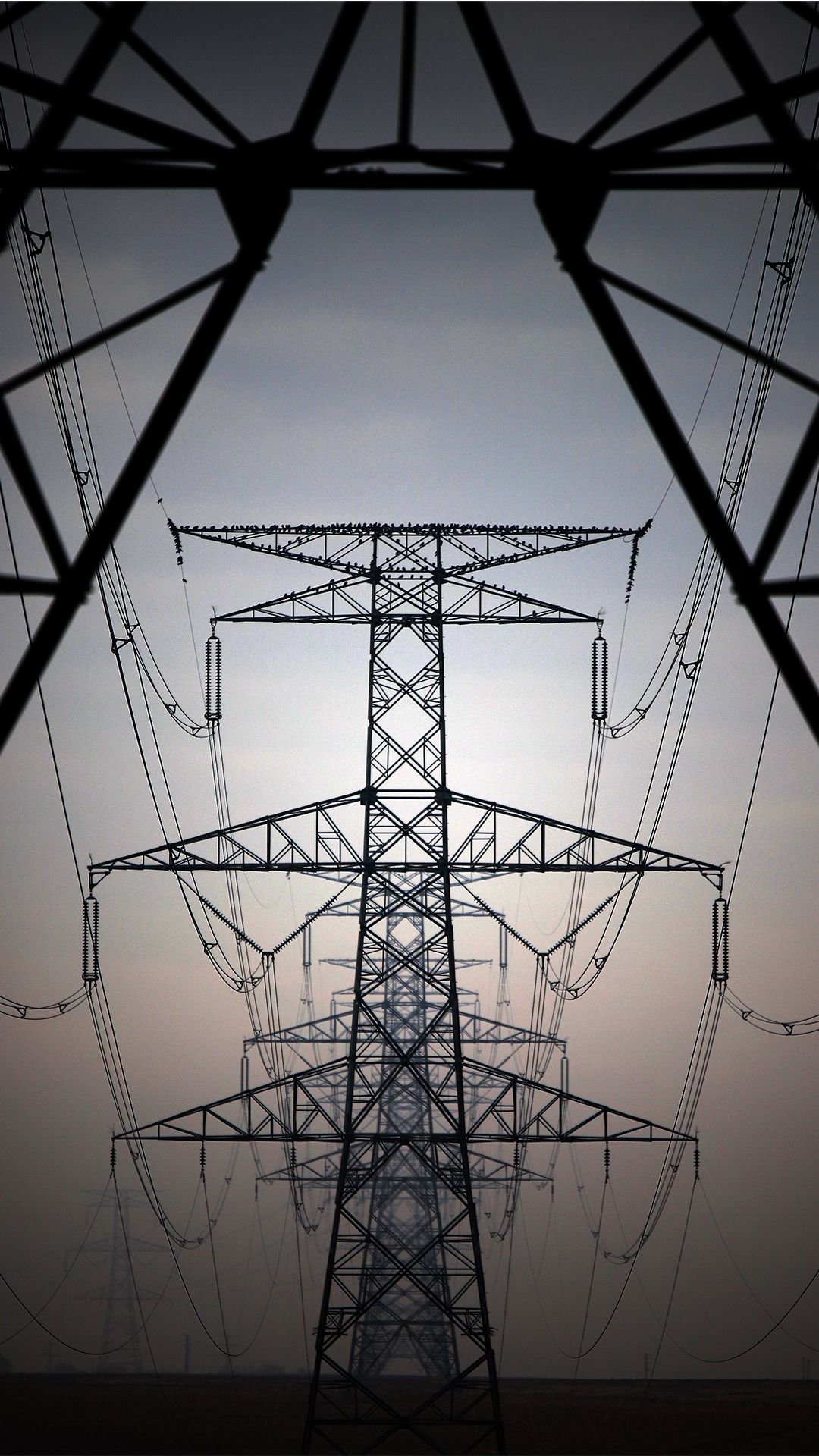
Cross arm is one of those things people don’t talk about much.
Not exciting. Not flashy.
But honestly, power transmission lines stand tall because of parts like this.
A cross arm sits quietly on poles or towers, holding insulators, supporting conductors, taking load pressure, and basically making sure the whole line stays in position. Without it, the structure looks complete, but it won’t work properly.
Simple as that.
Cross Arm… That Small Part Holding Everything Together
If you ever looked up at an overhead transmission line, you saw it already.
That horizontal member fixed across the pole.
That’s the cross arm.
It works like an extended support hand. It carries the insulators and keeps the conductors separated at the right distance. One wrong alignment and things start going bad fast.
Power line design is not forgiving.
What Exactly Does a Cross Arm Do?
Cross arms have one main job: support.
But inside that simple job, there’s a lot going on:
-
Holding the electrical conductors safely
-
Maintaining spacing between phases
-
Supporting vertical and horizontal loads
-
Keeping stability during wind or storms
-
Helping insulators stay fixed properly
Transmission is not just electricity flowing. It’s heavy equipment hanging in open air for decades.
Cross arms take that stress daily.
Key Features That Matter in a Good Cross Arm
Some cross arms look same from outside.
But field engineers know the difference after a few months.
Let’s talk about what actually matters.
1. Strength Under Load
A cross arm carries conductor weight, tension forces, wind load. That’s real pressure.
A strong cross arm does not bend or twist after installation.
The steel section thickness, welding quality, and design shape decides everything.
One weak arm and you will see sagging.
Nobody wants that.
2. Corrosion Resistance
Transmission structures live outdoors.
Heat. Rain. Dust. Pollution. Coastal air.
Steel without protection doesn’t survive long.
That’s why hot dip galvanizing is common. A proper zinc coating gives long life.
Fun fact: good galvanizing thickness often follows standards like IS 2629 or ASTM A123, and zinc coating can extend service life beyond 25 years in normal environments.
That’s not marketing. That’s field reality.
3. Proper Compatibility With Insulators
Cross arms are not used alone. They work with insulators, clamps, bolts, brackets.
Hole positions must match. Spacing must be exact.
A small mismatch becomes a headache at site. Drilling again, adjusting, wasting time.
A good manufacturer gets these tolerances right from factory.
4. Clean Finish and Accurate Punching
This is ignored a lot.
Sharp edges, uneven holes, poor welding joints… all these create weak points.
And weak points become failures.
Cross arm is not the place for “adjust later”.
Types of Cross Arms Used in Transmission Lines
Different networks use different designs.
Steel Cross Arms
Most common choice. Strong and durable.
Used widely in high voltage lines because steel handles heavy mechanical loads easily.
Galvanized Cross Arms
Basically steel cross arms with zinc coating.
These are preferred when long outdoor life is required. Less rust, less maintenance.
Composite Cross Arms
Newer option. Lightweight and corrosion-proof.
But cost is higher, and adoption is still selective in many regions.
Steel still dominates large transmission grids.
Why Material and Coating Quality Changes Everything
People think cross arm is just metal.
But quality depends on:
-
Grade of steel
-
Fabrication process
-
Welding strength
-
Galvanizing uniformity
-
Final inspection
A serious supplier does testing. Load testing, coating thickness checks, dimensional checks.
And honestly, you can feel the difference when you see products from companies that focus deeply on transmission hardware, not random fabrication shops.
Manufacturing Details People Ignore (But Shouldn’t)
This part is interesting.
Cross arms are mass-produced, yes. But precision matters.
A good facility will have:
-
CNC punching for accuracy
-
Controlled galvanizing baths
-
Standard jigs for uniform production
-
Quality inspection before dispatch
Small manufacturers skip steps.
Then the line suffers later.
Transmission infrastructure is long-term. You don’t replace cross arms every year.
You install and expect peace for 20–30 years.
Real Field Issues Cross Arms Face
Cross arms deal with rough life:
-
Heavy wind zones causing vibration
-
Pollution buildup near industrial areas
-
Salt corrosion in coastal belts
-
Sudden load shifts during faults
-
Continuous tension from conductors
So when someone buys cross arms, they’re not buying steel pieces.
They are buying reliability.
Choosing the Right Supplier Without Regret
If you’re selecting cross arms for a project, don’t only look at price list.
Look at:
-
Manufacturing specialization in transmission line accessories
-
Galvanizing quality
-
Past supply record
-
Standard compliance
-
Consistency in finishing
The best suppliers are the ones who do this work daily, not occasionally.
You want a company that lives inside this industry.
Not someone experimenting.
A cross arm is not the biggest component on a transmission tower, but it quietly decides whether the line stays stable for decades… or starts giving trouble early. That’s why this small part deserves more respect than it gets.





Post Comment