Designer Wall Cladding for Luxury Residential and Commercial Spaces
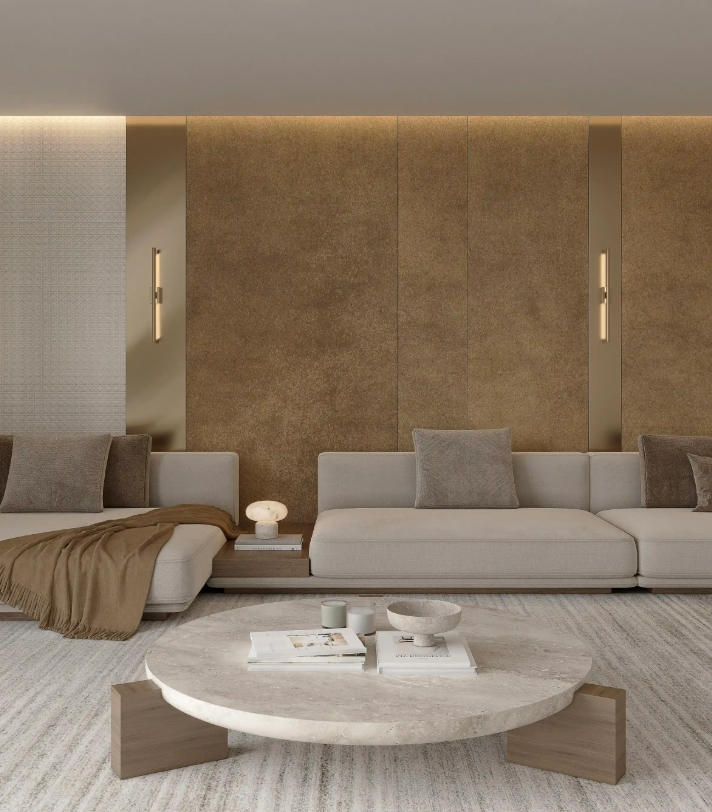
Modern architecture is increasingly focused on combining functionality with premium aesthetics, and designer wall cladding has become one of the most influential trends shaping contemporary interiors and exteriors. From luxury homes and boutique hotels to offices and retail environments, decorative cladding systems are now widely used to create architectural depth and visual sophistication.
Unlike traditional wall finishes, designer wall cladding adds texture, dimension, and durability while enhancing the overall identity of a space. Architects and interior designers often use cladding systems to transform plain surfaces into statement design features.
One of the key reasons behind the popularity of designer wall cladding is its versatility. Modern systems are available in materials such as:
- engineered wood
- WPC
- stone veneers
- metal finishes
- textured laminates
- decorative composites
These materials allow designers to create interiors that feel luxurious, modern, and visually balanced.
Luxury residential projects frequently use designer cladding in:
- living room feature walls
- entrance lobbies
- bedroom backdrops
- TV walls
- dining areas
Commercial spaces also rely heavily on designer wall cladding to improve branding and customer experience. Hotels, restaurants, and retail stores often use textured wall systems to create memorable environments.
One of the biggest advantages of designer cladding systems is durability. Professionally installed panels help protect walls from scratches, moisture exposure, and everyday wear. Many modern materials are also lightweight and easier to install compared to traditional stone or masonry surfaces.
Another growing trend is the use of acoustic-friendly wall cladding in offices and hospitality interiors. Decorative systems with acoustic backing improve sound comfort while maintaining premium aesthetics.
Interior experts often recommend combining designer cladding with:
- indirect lighting
- minimalist furniture
- neutral color palettes
- natural textures
- metallic accents
This layered approach creates contemporary interiors that feel elegant without appearing overly decorative.
Sustainability is also influencing modern cladding design. Eco-friendly and recyclable materials are increasingly used in commercial architecture and luxury residential projects.
Maintenance is relatively simple for most designer cladding systems. Routine dusting and occasional cleaning are generally enough to preserve their appearance.
As modern architecture continues prioritizing texture, durability, and premium visual experiences, designer wall cladding remains one of the most effective ways to create sophisticated interiors and exteriors.






Post Comment