Ultimate Guide to Car Wrapping Sydney in 2026
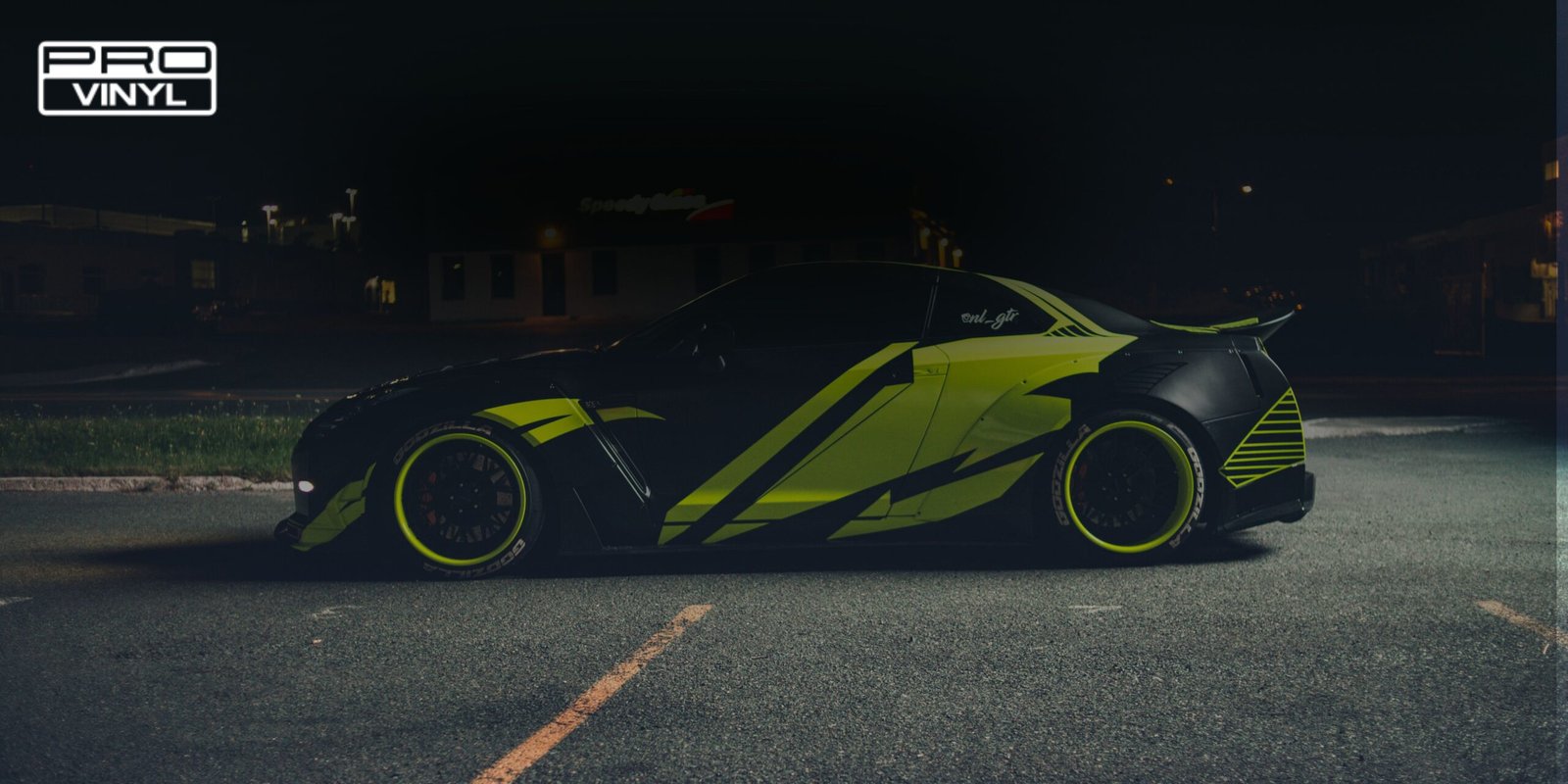
Sydney’s streets have never looked more colourful. Drive through Surry Hills, cruise along the Northern Beaches, or sit in traffic on the Harbour Bridge approach, and you will notice a growing number of vehicles that look anything but factory standard. Matte black SUVs, satin navy sedans, chrome-deleted luxury cars, and boldly branded commercial vans — the rise of professional car wrapping in Sydney is visible everywhere, and it shows no sign of slowing.
In 2026, vinyl wrapping has firmly established itself as the preferred choice for Sydney vehicle owners who want to customise, brand, or protect their car without the cost, permanence, or limitations of traditional paint. The technology has matured significantly, the range of available finishes has expanded dramatically, and the quality of professional installation in Sydney has reached a level where the results are genuinely extraordinary.
Whether you are a business owner looking for an affordable, high-impact advertising solution, a car enthusiast chasing a specific aesthetic, or simply someone who wants to protect their factory paint for resale, this guide covers everything you need to know about car wrapping Sydney , from how it works and what it costs to how to choose the right installer and make your wrap last.
What Is Car Wrapping?
Definition
Car wrapping is the process of applying a thin, flexible vinyl film over the exterior surfaces of a vehicle. The film adheres to the paintwork without bonding chemically, covering the original colour entirely or partially and transforming the vehicle’s appearance in a way that is fully reversible.
How Car Wrapping Works
The process begins well before the vinyl touches the vehicle. Proper surface preparation is critical — the car must be thoroughly washed, decontaminated, and in many cases clay-barred to remove any embedded particles that could cause the vinyl to sit unevenly. Any existing surface imperfections, such as stone chips or raised edges on damaged paint, should be addressed before wrapping begins, as vinyl will conform to the surface beneath it.
Once prepared, the installer cuts and positions the vinyl panels across each section of the vehicle — bonnet, roof, doors, guards, bumpers, and any other panels being wrapped. Modern cast vinyl uses air-release channels built into the adhesive layer, which allow trapped air to escape during application and make achieving a bubble-free result significantly more achievable.
Heat guns and squeegees are used throughout the installation to activate the vinyl’s flexibility and conform it precisely to complex curves, body lines, door jambs, and edges. Experienced installers wrap edges cleanly underneath panels and door frames so no raw vinyl edge is exposed on the visible surface. The result, done properly, is a finish that looks seamless and intentional.
Car Wrapping vs Repainting
The comparison between wrapping and repainting comes up for almost every customer, and the distinctions are meaningful.
Cost — A professional full wrap typically costs less than a quality professional respray of equivalent finish. The gap widens further when you factor in that specialty finishes like matte, satin, and colour-shift — which can be achieved with vinyl — would require bespoke paint mixing and application at considerably higher cost.
Flexibility — Vinyl can be changed. A respray cannot. If you want a different colour in three years, a wrap can be removed and replaced. Paint is permanent unless you pay to redo it.
Removability — A quality wrap installed with premium cast vinyl can be removed cleanly without damaging the factory paint. This is a significant advantage for drivers who care about resale value, because it means the original paint can be preserved in factory condition beneath the wrap.
Paint protection — Vinyl acts as a physical barrier between the factory paint and the road environment, shielding against stone chips, minor scratches, UV radiation, and environmental contaminants. A respray offers no equivalent protection to the new paint layer once applied.
Why Car Wrapping Is Popular in Sydney
Vehicle Customisation Trends
Sydney’s car culture has always had a strong personalisation streak, but the accessibility of professional wrapping has broadened that culture significantly. Finishes that were once reserved for show cars or luxury fleet vehicles — deep matte charcoal, iridescent colour-shift, brushed metallic — are now available to any vehicle owner willing to invest in quality installation.
The social media dimension has accelerated this trend noticeably. Well-executed wraps photograph beautifully and generate strong engagement on Instagram and TikTok, which has made vehicle customisation a visible and aspirational part of Sydney’s car enthusiast community.
Business Branding Benefits
For Sydney businesses, car wrapping is one of the most cost-effective forms of local advertising available. A branded vehicle reaches thousands of impressions per day in its operating area — without recurring media spend, algorithm management, or campaign monitoring. It simply exists in the community and works continuously.
Commercial vehicles wrapped with professional branding communicate credibility and scale that a magnetic sign or simple decal cannot match. A fully branded van or ute tells customers that a business is established, organised, and takes its presentation seriously.
Paint Protection Advantages
Premium vinyl film provides genuine physical protection for the paintwork beneath it. It resists stone chips, minor surface scratches, UV degradation, bird droppings, tree sap, and other environmental damage that gradually erodes unprotected factory paint. When the wrap is eventually removed, the paint underneath typically looks significantly better than the exposed panels on the same vehicle.
For newer vehicles or prestige cars where paint condition affects resale value, this protection translates directly to money at trade-in or private sale.
Cost-Effective Styling
Premium automotive painting — genuine single-stage or multi-stage paint in specialty colours or finishes — is expensive, time-consuming, and irreversible. Vinyl wrapping delivers comparable or superior visual results for a fraction of the cost, with the added flexibility of reversibility and change.
Types of Car Wraps Available in Sydney
Full Car Wraps
A full wrap covers every exterior panel of the vehicle in vinyl film. This is the most comprehensive option, producing a complete colour transformation that is visually indistinguishable from factory paint when installed to a high standard. Full wraps are chosen for colour changes, comprehensive branding, and maximum paint protection coverage.
Partial Car Wraps
Partial wraps target specific areas of the vehicle rather than the complete exterior. Common partial wrap applications include:
- Roof wraps — applying a contrasting colour or finish to the roof panel, a popular accent treatment on small hatches and prestige vehicles
- Bonnet wraps — a racing-inspired treatment that changes just the bonnet colour or adds a matte or gloss accent to a contrasting body colour
- Racing stripes — twin or single stripes running bonnet-to-boot, available in any colour or finish
- Chrome delete — applying matte or gloss black vinyl over all chrome trim elements for a contemporary blacked-out aesthetic
Partial wraps are considerably more affordable than full wraps and can create a dramatic visual impact with targeted application.
Commercial Vehicle Wraps
Commercial wraps transform trade and business vehicles into professional branded assets. From simple contact detail applications to full-side graphic wraps that turn a van into a moving billboard, commercial vehicle wrapping is one of the smartest marketing investments a Sydney business can make.
Fleet graphics — consistent branding applied across multiple vehicles — multiply the advertising impact of a single design investment and create a unified brand identity that builds recognition across the city.
Paint Protection Film (PPF)
Paint protection film is a clear, optically transparent vinyl film applied to high-impact areas or the entire vehicle to protect the factory paint without altering its appearance. Modern PPF products are self-healing — minor surface scratches disappear with heat exposure — and provide the highest level of paint protection available short of garaged storage.
PPF is particularly popular on prestige and performance vehicles where maintaining factory paint condition is a priority.
Custom Printed Wraps
Digital printing technology allows full-colour photographic artwork to be reproduced on vinyl with exceptional accuracy. Custom printed wraps are used for promotional vehicles, creative personal projects, food trucks, and businesses in visual industries where a distinctive, eye-catching vehicle is part of the brand experience.
Most Popular Car Wrap Finishes in 2026
Gloss — The closest to traditional paint in appearance, gloss wraps produce a deep, reflective finish that suits a wide range of colours and vehicle types. High gloss black remains one of the most popular choices in Sydney.
Matte — Flat, non-reflective, and undeniably striking. Matte finishes are particularly popular in darker shades — charcoal, olive green, midnight blue, and flat black — and have become the signature look of Sydney’s prestige car community.
Satin — The middle ground between gloss and matte, satin offers a subtle sheen that catches light gently without the full reflectivity of gloss. Exceptionally versatile and consistently popular across all vehicle categories.
Metallic — Metallic flake built into the vinyl film produces a finish that shifts and catches light in a similar way to metallic automotive paint, with the added depth of premium film materials.
Carbon fibre — Textured vinyl film that replicates the woven appearance of genuine carbon fibre. Widely used as an accent finish on interior and exterior trim elements.
Chrome — Mirror-finish vinyl that produces a highly reflective chrome appearance. Spectacular on show cars and promotional vehicles; requires careful installation and considered application.
Colour shift and iridescent — Films that change colour dramatically depending on viewing angle and lighting conditions. A genuinely unique effect that makes a vehicle unlike anything else on the road.
How Much Does Car Wrapping Cost in Sydney?
Pricing for car wrapping in Sydney varies based on vehicle size, vinyl quality, finish type, and installation complexity. Here is a realistic guide for 2026:
| Vehicle Type | Standard Gloss/Satin | Premium / Specialty Finish |
|---|---|---|
| Small hatchback | $2,500 – $3,500 | $3,500 – $5,000 |
| Mid-size sedan | $3,000 – $4,500 | $4,500 – $6,500 |
| SUV / 4WD | $4,000 – $5,500 | $5,500 – $8,500 |
| Dual-cab ute | $3,500 – $5,000 | $5,000 – $7,500 |
| Luxury / performance car | $6,000 – $10,000 | $10,000 – $15,000+ |
| Commercial van (full brand) | $2,500 – $5,000 | $4,000 – $8,000 |
Factors Affecting Car Wrap Pricing
Vehicle size — More surface area requires more vinyl and more installation time. A large SUV or van will always cost more than a small hatchback.
Vinyl quality — Premium cast vinyl from established manufacturers like 3M, Avery Dennison, and KPMF costs significantly more than budget calendered films. The difference in longevity, conformability, and finish quality justifies the cost difference for any serious application.
Finish type — Specialty finishes — colour-shift, chrome, brushed metallic, and custom printed designs — use more expensive materials and require greater installation precision.
Design complexity — Custom printed designs involve additional graphic design and printing costs. Multi-element commercial branding involves design fees if assets are being developed from scratch.
Labour and installation — Experienced technicians charge more than inexperienced ones, and rightly so. The skill difference is visible in the finished result and measurable in how long the wrap holds up.
Car Wrap vs Paint Job: Which Is Better?
Initial Cost
For most vehicles and finish types, a professional wrap is less expensive than a quality respray. Budget resprays exist at lower price points but produce results that often reflect that price — thin coverage, poor edge finishing, and paint that begins to fade within a few years.
Long-Term Maintenance
Vinyl is easier to maintain than paint in most respects. A gentle hand wash, prompt attention to bird droppings and tree sap, and avoiding abrasive cleaning products is all most wraps require. Paint demands the same care but offers less inherent resistance to UV degradation and environmental fallout.
Durability
A quality wrap lasts five to seven years in Australian conditions. A quality paint job has a similar or slightly longer theoretical lifespan, but paint degrades more visibly under UV and is more susceptible to oxidation over time.
Paint Protection
This is where wrapping clearly wins. The vinyl protects the factory paint beneath it for its entire lifespan. Repainting replaces the original paint with new paint, but offers no ongoing protection to that new paint layer.
Resale Value
A wrap that preserves factory paint in excellent condition can actually benefit resale value. A mid-quality aftermarket respray on a late-model car, by contrast, often raises questions with buyers and can reduce confidence in the vehicle’s condition.
Flexibility and Removal
A wrap can be changed or removed. A respray cannot be undone without another respray. For drivers who want the freedom to update their vehicle’s look or restore it to original before sale, wrapping is the clear choice.
How Long Does a Car Wrap Last?
Average Lifespan
A professionally installed premium cast vinyl wrap will typically last between five and seven years in Sydney’s climate. Some wraps on well-maintained, regularly garaged vehicles perform beyond that range. Budget vinyl or poor installation can see degradation begin in as little as two to three years.
Factors Affecting Durability
Sydney weather conditions — Sydney’s UV intensity is high compared to many international markets, which accelerates film degradation in vinyl products without adequate UV inhibitors. Premium films specifically formulated for Australian conditions perform considerably better than generic imports.
UV exposure — Vehicles parked outdoors in full sun for extended periods will see their wraps degrade faster than vehicles stored in a garage or undercover. This is the single biggest factor in wrap longevity beyond the vinyl quality itself.
Maintenance habits — Regular washing that removes corrosive contaminants — bird droppings, tree sap, industrial fallout — and avoidance of abrasive products significantly extends wrap life. Neglected wraps deteriorate faster regardless of material quality.
Tips to Extend Wrap Lifespan
- Hand wash with a pH-neutral car shampoo and a soft microfibre mitt
- Never use automatic brush car washes — the brushes can lift edges and abrade the film surface
- Rinse bird droppings and tree sap off promptly — these are acidic and will degrade vinyl if left
- Apply a ceramic coating over the wrap after installation for added UV protection and easier cleaning
- Park undercover or in a garage wherever possible, particularly during prolonged heatwaves
Best Vehicles for Car Wrapping
Sports cars — The combination of performance aesthetics and vinyl wrapping is natural. Colour changes, matte finishes, and racing liveries all translate exceptionally well to sports car body lines.
Luxury vehicles — Prestige cars benefit from wrapping both aesthetically and practically. The paint protection aspect is particularly valuable on vehicles where factory paint condition significantly affects resale value.
SUVs and utes — Large surface areas make SUVs and utes excellent candidates for both personal colour-change wraps and commercial branding applications. The commanding road presence of these vehicles makes well-executed wraps highly visible.
Commercial vans — Vans offer more branding surface area than almost any other vehicle type. A fully wrapped commercial van is one of the most effective mobile advertising tools available to a Sydney business.
Fleet vehicles — Consistent wrapping across a fleet of vehicles multiplies brand impact and creates the unified, professional appearance that builds customer confidence in a business’s scale and reliability.
Common Car Wrapping Mistakes to Avoid
Choosing cheap vinyl — The temptation to save money on materials is understandable, but budget calendered vinyl shrinks, lifts at edges, and fades significantly faster than premium cast film. The cost saving is rarely worth the compromised result and shortened lifespan.
Poor installation quality — An inexperienced installer working with premium vinyl will still produce a substandard result. Bubbles, lifting edges, tension lines, and misalignment are all symptoms of inadequate installation skill. Always check a studio’s portfolio thoroughly before committing.
Ignoring paint condition — Vinyl conforms to the surface beneath it. Significant imperfections in the existing paint — deep chips, raised edges, peeling clear coat — will telegraph through the wrap and affect its adhesion. Surface preparation before installation is not optional.
DIY wrapping risks — Tutorial videos make vehicle wrapping look more straightforward than it is. Complex curves, door jambs, bumpers, and mirrors all require experience and specific techniques to handle correctly. Failed DIY wraps often result in damaged paint and the additional cost of professional removal and reinstallation.
Overcomplicated designs — For commercial vehicles especially, the temptation to include every possible detail should be resisted. Complex designs with many small elements are difficult to read at speed, which undermines the advertising effectiveness of the wrap.
Why Professional Installation Matters
The quality of a car wrap is determined in equal parts by the vinyl used and the skill of the installer. Cutting corners on either produces a result that looks mediocre and fails prematurely.
Bubble-free finish — Experienced installers understand the correct squeegee pressure, heat application, and working sequence to achieve a perfectly flat finish across every panel. Air-release vinyl makes this more achievable, but technique remains critical.
Seamless edge wrapping — Raw vinyl edges exposed on visible surfaces will lift over time. Professional installers wrap edges cleanly underneath panels, door jambs, and bumper lips, ensuring no edge is exposed to lifting or moisture ingress.
Long-term durability — Correct surface preparation and proper adhesion from day one determines how well a wrap holds up over years of exposure to Sydney’s climate. Shortcuts in preparation will result in premature lifting and a wrap that looks worn well before its time.
Precision around curves and panels — Vehicle body lines are complex three-dimensional surfaces. Experienced technicians know how to relieve tension in the vinyl around challenging curves and features without creating distortion or thinning the film.
Warranty and quality assurance — Reputable studios stand behind their work with meaningful warranties on both materials and installation. This accountability is only possible because the work is done to a standard the studio is confident in.
Why Businesses Choose Vehicle Wrapping in Sydney
Cost-effective advertising — A branded vehicle wrap is a one-time investment that generates daily advertising impressions for five or more years. The cost per impression over that period is a fraction of what digital, print, or outdoor advertising delivers for equivalent reach in Sydney’s market.
Daily brand exposure — Every hour a branded vehicle is on Sydney’s roads, it is generating impressions among exactly the geographical audience a local business wants to reach. There is no better form of hyper-local advertising for service businesses, tradespeople, and retailers.
Professional appearance — A consistently branded vehicle fleet communicates that a business is established, organised, and invested in its presentation. Customers make judgements about reliability based on what they see, and professional vehicle branding shapes that perception before any conversation takes place.
Local marketing impact — For businesses that operate within specific Sydney suburbs or regions, vehicle wrapping creates brand recognition in the community over time. Customers who regularly see a branded vehicle in their area develop familiarity and trust that influences their decision when they need the service.
Why Choose PROvinyl for Car Wrapping Sydney?
PROvinyl has built a reputation as one of Sydney’s most trusted and experienced car wrapping specialists, with a client base that spans private vehicle owners, prestige car enthusiasts, and commercial fleet operators. Here is what makes PROvinyl the right choice:
Experienced wrapping specialists — PROvinyl’s installation team brings years of hands-on experience across every vehicle type and wrap style. That experience shows in the precision of every edge, the smoothness of every panel, and the consistency of every completed job.
Premium vinyl materials — PROvinyl exclusively uses premium cast vinyl from industry-leading manufacturers. The difference between budget and premium film is visible on day one and measurable over years — PROvinyl does not compromise on materials because the results matter.
Advanced installation techniques — From complex curved panels on exotic vehicles to the demanding edge work on commercial vans, PROvinyl’s team has the technical skill to handle any challenge the job presents.
Custom design solutions — PROvinyl’s design capability means that commercial clients can have their vehicle graphics developed in-house, from logo files to complete brand identity applications. Every design is developed with vehicle application in mind, not adapted from existing print assets.
Commercial and personal vehicle wrapping — Whether you need a single colour change on a personal car or consistent branding across an entire commercial fleet, PROvinyl has the capacity, the process, and the expertise to deliver.
High-quality customer service — PROvinyl’s approach to every project begins with a thorough brief and ends with a detailed quality inspection before the vehicle is returned. Clients are kept informed at every stage, and the team’s commitment to the finished result does not waver regardless of project scale.
Frequently Asked Questions
How much does car wrapping cost in Sydney? A full wrap on a standard passenger vehicle typically ranges from $2,500 to $5,500 in Sydney, depending on the vehicle size, vinyl grade, and finish chosen. Larger vehicles, specialty finishes, and luxury or exotic cars sit higher. Contact PROvinyl for a detailed, itemised quote specific to your vehicle.
Is car wrapping cheaper than repainting? In most cases, yes — particularly for quality results. A professional respray matching the quality of a premium wrap installation will typically cost more, and offers none of the paint protection, reversibility, or specialty finish options that vinyl provides.
Can vinyl wrap damage paint? Quality cast vinyl applied and removed correctly by an experienced installer will not damage factory paint. The vinyl protects the paint beneath it for its lifespan and, when removed with appropriate heat and technique, leaves the factory paint in the same or better condition than it was at application.
How long does a car wrap last? Between five and seven years for a professionally installed premium cast vinyl wrap in Sydney conditions. Vehicles that are regularly garaged and well-maintained can see wraps perform beyond that range. Budget vinyl or poor installation shortens that lifespan significantly.
Is matte wrap harder to maintain? Matte requires slightly more considered care than gloss — it cannot be polished or treated with gloss-enhancing products, and surface contamination can leave marks that are more visible on a flat finish. However, regular hand washing with a pH-neutral shampoo and prompt attention to bird droppings keeps matte wraps looking excellent. Applying a matte-compatible ceramic coating at installation simplifies ongoing maintenance considerably.
Can wrapped cars go through car washes? Touchless automatic car washes are generally safe. Brush-based automatic washes are not recommended — the brushes can lift edges and abrade the film surface, particularly on matte and satin finishes. Hand washing is always the preferred approach for maintaining a wrap’s appearance and longevity.
Can I remove the wrap later? Yes. Professional car wrapping is a fully reversible modification. Quality cast vinyl, removed by an experienced installer using appropriate heat application, comes off cleanly without leaving adhesive residue or damaging the factory paint beneath. This reversibility is one of the most significant advantages of wrapping over repainting.
Conclusion
Car wrapping has earned its place as the smart choice for Sydney vehicle owners in 2026 — and the reasons stack up from every angle. The cost is lower than a quality respray, the finish options are broader, the factory paint is protected rather than replaced, and the flexibility to change or remove the wrap preserves your options in a way that paint never can.
The results, when the job is done right, are genuinely extraordinary. Sydney’s roads are filled with wrapped vehicles that look exceptional because they were designed well and installed by technicians who know their craft. Those results do not happen by accident — they are the product of quality materials, experienced hands, and a commitment to getting every detail right.
For businesses, the return on a professional vehicle wrap extends well beyond the visual. Daily impressions, local brand recognition, and the professional credibility that a consistently branded fleet communicates are marketing advantages that continue paying off for years after the installation is complete.
If you are ready to experience what professional vehicle wrap Sydney can do for your vehicle or your business, PROvinyl’s team is ready to make it happen. Contact PROvinyl today for a custom consultation and obligation-free quote — Sydney’s most trusted car wrapping specialists are waiting to hear from you.




Post Comment