Surviving the Texas Heat: How Hydroseeding Establishes Deep Roots in North Texas
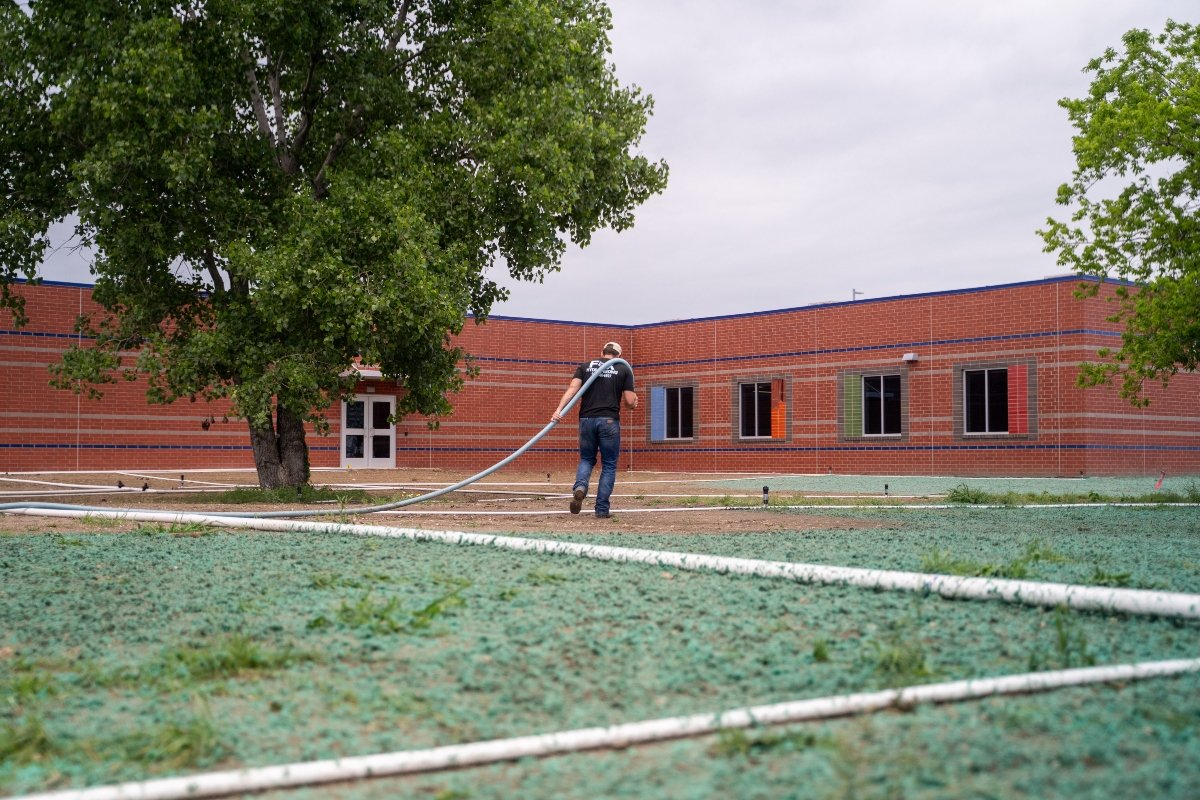
North Texas lawns face demanding conditions throughout the growing season, particularly when intense heat combines with dry periods and heavy clay soil. Establishing turf successfully requires more than placing grass seed on the surface and waiting for rain to provide moisture. Young grass needs consistent water, suitable soil contact, and enough time to develop a healthy root system before facing extreme summer stress. Hydroseeding North Texas properties can provide an efficient establishment method because the slurry combines seed with water, mulch, and other selected materials. When the process is supported by proper preparation and aftercare, it can help create conditions for stronger turf development.
Why Deep Roots Matter in the Texas Heat
A healthy root system is essential for turf to survive periods of heat and limited rainfall. Grass with established roots can access moisture and nutrients deeper within the soil than newly germinated seedlings with shallow roots. In North Texas, this becomes especially important when surface soil dries quickly under high temperatures and strong sunlight. Deep rooting does not happen immediately, so newly hydroseeded lawns require careful management during their early growth stages. Proper establishment practices can help grass transition from vulnerable seedlings into more resilient turf.
Root development depends on several factors, including soil structure, grass variety, moisture availability, nutrients, and oxygen within the root zone. Heavy clay can present challenges because it may become compacted and restrict the movement of air and water. When the soil is prepared properly, however, roots can gradually explore the available growing medium as the turf matures. Avoiding excessive irrigation is also important because constantly saturated soil can limit oxygen around developing roots. The goal is to maintain suitable moisture while allowing the root zone to support healthy growth.
How Hydroseeding Supports Early Root Development
Hydroseeding begins with a mixture that commonly contains grass seed, water, and mulch, with fertilizer or amendments added when appropriate. The mulch helps surround the seed and can support moisture retention during the germination period. This protective environment can be useful in a hot climate where exposed seed may dry quickly between irrigation cycles. The slurry can also distribute seed more evenly across prepared areas than some conventional broadcasting methods. However, hydroseeding does not automatically create deep roots; soil preparation, grass selection, irrigation, and maintenance remain essential.
The quality of seed-to-soil contact also influences establishment. Before hydroseeding, contractors should prepare the surface so seed can interact effectively with the soil and developing roots have an appropriate growing environment. Compacted areas may need to be loosened, while grading and drainage problems should be corrected before application. A properly prepared seedbed allows moisture to move into the root zone more effectively and gives roots room to develop. These preparation steps are particularly important in North Texas properties where clay soils can become challenging under extreme weather conditions.
Selecting Grass for North Texas Heat
Grass selection has a direct influence on how well a lawn handles summer conditions. Warm-season varieties are commonly considered for North Texas because they are adapted to periods of high temperature and active summer growth. Bermuda grass, for example, can perform strongly in sunny locations when it receives suitable moisture and maintenance. Other grass varieties may be more appropriate for shaded areas or different seasonal objectives. A professional contractor should evaluate sunlight, soil, irrigation, traffic, and intended use before recommending a seed mixture.
Selecting the right grass also helps avoid unnecessary maintenance problems later. A variety that naturally fits the property’s growing conditions may establish more effectively than one planted in an unsuitable location. North Texas properties can contain several microclimates, including hot open areas, shaded sections, slopes, and locations near structures. A single seed choice may not always perform equally well across every part of a property. A site-specific approach can help property owners develop a lawn plan that reflects actual environmental conditions rather than relying on a generic recommendation.
Preparing Clay Soil for Stronger Roots
North Texas clay soils can be productive growing environments, but their physical characteristics require careful management. Clay may become extremely hard when dry and sticky when wet, creating challenges for grading, planting, and irrigation. Heavy equipment can also compact the soil during construction or landscaping work, leaving roots with limited space to develop. Contractors may address these issues through appropriate grading, soil loosening, topsoil improvement, or other preparation practices based on the site’s condition. The specific solution should be determined after evaluating the soil rather than applying unnecessary amendments.
Drainage is another important consideration when preparing clay soil. Water that remains near the surface for extended periods can create conditions that interfere with healthy root growth. At the same time, dry compacted clay may cause irrigation water to run across the surface instead of penetrating evenly. Proper grading and controlled irrigation can help manage these competing conditions. When hydroseeding is planned, the contractor should inspect the property carefully and identify potential soil or drainage problems before applying the slurry.
Watering Hydroseeded Turf During Establishment
Water management is one of the most important parts of protecting a new hydroseeded lawn in North Texas. During germination, the seedbed generally needs consistent moisture, but that does not mean the area should remain saturated. Shorter irrigation cycles may sometimes be more appropriate for clay soils because they can reduce runoff and allow water to penetrate gradually. The exact schedule depends on temperature, rainfall, soil condition, grass variety, slope, and irrigation equipment. Property owners should follow recommendations based on their specific site rather than using a fixed schedule throughout the entire growing season.
As the grass becomes established, watering practices can gradually change. The goal is to encourage roots to explore deeper portions of the soil rather than keeping only the surface constantly wet. Deeper and less frequent irrigation may become appropriate once the turf has developed sufficiently, although the exact approach should reflect soil and weather conditions. During extreme heat, irrigation may need to be adjusted temporarily to prevent stress. Monitoring the lawn and soil is more reliable than watering according to the calendar alone.
How Mulch Helps During Hot Weather
Mulch is an important part of many hydroseeding mixtures because it provides more than a visual coating over the soil. It can help reduce moisture loss from the surface and provide some protection against the impact of rainfall. This can be particularly valuable during the period between seed application and early root establishment. Different mulch products have different characteristics, so contractors should select materials based on project conditions and application requirements. Proper coverage can help create a more favorable microenvironment around developing seed.
Mulch should not be considered a substitute for irrigation or proper soil preparation. During prolonged North Texas heat, even a well-mulched seedbed can dry out if it does not receive adequate moisture. Likewise, excessive irrigation can cause runoff, erosion, or other problems despite the presence of mulch. The best results come from combining appropriate mulch with suitable seed, prepared soil, responsible watering, and favorable planting conditions. This integrated approach gives young turf several forms of support during its most vulnerable stage.
Timing Hydroseeding for Better Establishment
The timing of a hydroseeding project can influence how much environmental stress young grass experiences. Planting when the selected grass is actively growing and weather conditions are reasonably favorable can give seedlings more time to establish before extreme conditions arrive. North Texas weather can change quickly, so contractors should evaluate current soil temperatures, rainfall, heat forecasts, and irrigation availability. Applying seed during an unsuitable period can increase maintenance demands and reduce establishment potential. A flexible schedule that responds to actual weather conditions is generally more practical than following a rigid date.
Property owners should also complete site preparation before the preferred planting window. Irrigation repairs, grading, soil improvement, debris removal, and drainage work can take time and should not be left until the last minute. Completing these tasks early allows the hydroseeding application to occur when conditions are more favorable. Contractors should also provide realistic expectations about germination and early growth. Healthy turf development takes time, and deep roots are built progressively through appropriate moisture and maintenance rather than through the hydroseeding application alone.
Residential Hydroseeding in North Texas
Hydroseeding is not limited to large commercial properties or development projects. Homeowners may consider the method for new lawns, major lawn renovations, areas damaged by construction, or larger yards where uniform seed distribution is desirable. People searching for residential hydroseeding near me should look for contractors who understand local soil, heat, grass varieties, and irrigation requirements. A site inspection can help determine whether hydroseeding is appropriate and what preparation may be required. Homeowners should also ask how long establishment is expected to take and what maintenance will be needed after application.
Residential properties often contain complicated conditions that require customized recommendations. Trees may create shade, slopes may increase runoff, and different sections of the yard may have different soil conditions. A contractor should consider these factors before selecting seed and designing the application. Homeowners should also make sure their irrigation system can provide consistent coverage during germination. With appropriate preparation and care, residential hydroseeding can provide a practical way to establish turf while giving homeowners a clear plan for supporting root development.
Professional Expertise and Long-Term Turf Health
Choosing an experienced contractor can help property owners avoid common mistakes during hydroseeding and early lawn establishment. When evaluating Hydroseeding North Texas providers, ask about soil preparation, seed selection, mulch, application equipment, irrigation recommendations, and experience with similar properties. A professional should explain what conditions could affect establishment and what steps can reduce those risks. Written estimates should clearly describe the materials and services included. Checking references and previous projects can also provide useful evidence of the contractor’s practical experience.
Long-term turf health depends on what happens after the hydroseeding equipment leaves the property. Property owners should monitor moisture, drainage, germination, weeds, bare areas, and early signs of stress. Mowing should begin only after the grass is sufficiently established, and the mowing height should be appropriate for the selected variety. Fertilization should also be based on turf requirements rather than excessive application. Consistent maintenance helps young grass transition into a mature root system capable of handling the demanding North Texas climate.
Final Thoughts on Building Heat-Resistant Turf
Hydroseeding can provide an efficient foundation for establishing turf in North Texas, but deep and healthy roots develop through a combination of proper preparation, suitable grass selection, moisture management, timing, and ongoing care. The mulch used in hydroseeding can help protect seed and retain surface moisture during early establishment, while well-prepared soil provides room for roots to develop. Choosing a grass suited to the property’s sunlight and climate can further improve long-term performance. These factors work together to give newly planted turf a better opportunity to withstand heat and seasonal stress.
For homeowners considering residential hydroseeding near me or property owners planning larger Hydroseeding North Texas projects, professional guidance can make the process more predictable. The right contractor should evaluate soil, drainage, sunlight, irrigation, seed selection, and weather before recommending an application strategy. Hydroseeding itself is only the beginning of turf establishment; consistent aftercare is what allows roots to mature and strengthen. With thoughtful planning and appropriate maintenance, North Texas lawns can develop healthier root systems and become better equipped to handle the region’s challenging summer conditions.





Post Comment