How Do Restaurants Keep Takeout Items Looking Fresh?
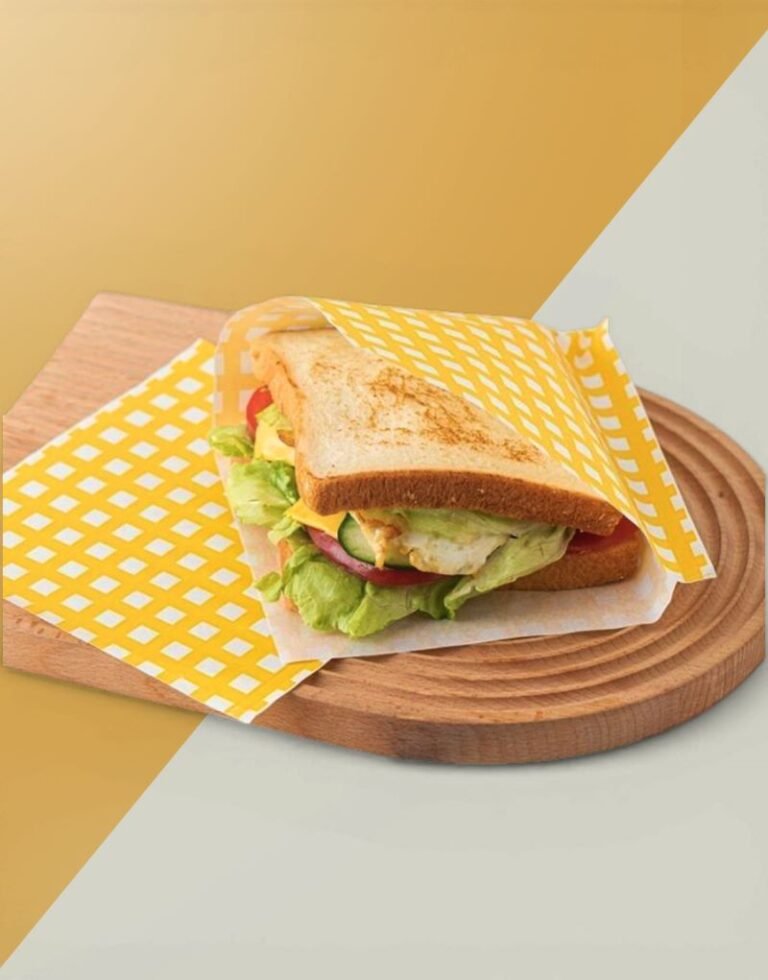
A customer starts judging a food before the first bite. The smell matters, the heat matters, but the look of the food often creates the first real opinion. Many restaurants know that clean and fresh food builds trust very fast. When fries stay crisp, burgers stay neat and sauces stay in place, people feel happier with their order. This is why many food businesses spend time learning how to protect food during travel. Even a short drive can change the shape and feel of hot food if care is not taken from the start. Some restaurant owners say that online orders changed customer behavior in Canada because people now share food photos more than before.
How Do Restaurants Stop Food From Becoming Soggy?
Soggy food remains one of the biggest problems during food delivery because steam builds around hot food very fast. Fried items such as chicken, fries and onion rings can lose crisp texture during travel if moisture becomes trapped around food. Restaurants usually avoid this issue by allowing hot food to cool slightly before the wrapping process begins. This short waiting time allows extra steam to escape naturally while helping food maintain better texture during delivery. Many restaurants also separate crispy food from wet ingredients because moisture spreads quickly between foods during transport. Kitchen staff members often pay close attention to layering methods because food placement affects freshness during travel.
Why Do Restaurants Focus On Heat Control During Takeout?
Heat control matters because temperature changes affect both appearance and texture during delivery. Many foods lose quality very quickly after leaving the kitchen area, especially food containing melted cheese, grilled meat or crispy ingredients. Restaurants usually prepare delivery orders at carefully planned times so food remains warm during transport without creating too much steam inside wrapping layers. Timing becomes very important because food prepared too early may lose freshness before drivers arrive for pickup. A family-owned restaurant once struggled with delivery complaints during winter evenings because noodles arrived cold after long travel times.
How Does Clean Wrapping Help Food Stay Presentable?
Clean wrapping methods help restaurants protect food shape and reduce mess during transport. Delivery drivers often travel through crowded streets, rough roads and busy traffic areas where food can move around inside delivery bags. Restaurants use careful wrapping techniques so food stays stable during movement and arrives in better condition. Wrapping also helps protect food from outside air, dust and excess moisture during travel.
Customers usually notice clean presentations immediately after opening delivered food because appearance creates early opinions about food quality. Many food businesses also focus on oil control because greasy food can appear old or poorly prepared even when food remains fresh. Many restaurants now use custom food paper to separate food layers and absorb extra oil during delivery.
Why Do Restaurants Separate Different Food Items?
Restaurants separate different foods because heat and moisture move quickly between ingredients during delivery. Hot items release steam while cold items lose temperature very fast during travel. When foods remain wrapped too closely together, food can lose texture, flavor and appearance before reaching customer homes. Restaurants usually separate sauces, vegetables, crispy foods and bread products because each ingredient reacts differently during transport. This process helps food stay balanced and visually appealing after delivery. A small café once faced repeated complaints because tomato slices and sauces made sandwiches wet before customers received orders.
How Do Restaurants Keep Sauces From Creating A Mess?
Sauces improve flavor, but they can also damage food appearance during travel if food is not handled properly. Restaurants usually use controlled sauce portions during delivery because extra liquid spreads quickly when food moves around inside delivery bags. Thick sauces and thin sauces are often handled differently because each type reacts differently during transport. Kitchen workers commonly add sauces near the final preparation stage so food remains stable before drivers leave the restaurant area. One delivery driver explained that sharp road turns and sudden stops can shake food more than customers realize. Restaurants train workers carefully so sauce-heavy food remains stable during travel.
Why Is Timing Important For Fresh Looking Takeout?
Timing controls many parts of food delivery because food quality changes quickly after the cooking process ends. Restaurants prepare delivery food according to driver schedules so food reaches customers before losing heat and texture. Food prepared too early may become dry or cold, while delayed preparation can increase delivery waiting times. Many restaurants organize cooking stations carefully so every part of food preparation finishes at the correct moment before delivery begins. A pizza worker once shared a story about cheese becoming hard before delivery because food waited too long near the kitchen counter.
How Do Restaurants Handle Long Distance Deliveries?
Long distance delivery creates additional challenges because food continues changing during travel. Restaurants usually prepare food differently when drivers must travel farther distances through traffic or crowded roads. Crispy foods may receive slightly different cooking times so texture lasts longer during the delivery process. Some ingredients are added later during food preparation because restaurants want food to stay fresh until customers receive orders at homes or offices. Drivers also help protect food quality during transportation. Restaurants often work with trained delivery workers who understand how food movement affects appearance during travel.
Why Do Restaurants Care About Oil Control In Wrapped Food?
Oil control remains important because excess grease can change food appearance very quickly during delivery. Fried foods release oil while staying hot, especially during longer travel times. Restaurants usually allow fried food to rest briefly after cooking so extra oil drains away before the wrapping process begins. This method helps food maintain better texture while reducing greasy surfaces that customers may dislike after opening delivered food.
Many restaurants also use absorbent layers to manage oil without drying the food too much. Some businesses prefer custom printed paper because it helps control stains while keeping food cleaner during delivery.
How Do Staff Members Help Food Stay Fresh During Rush Hours?
Rush hours create pressure inside busy kitchens because workers must prepare many delivery orders within short periods of time. Restaurants train employees carefully so food continues looking fresh even during crowded dinner hours. Some kitchens divide responsibilities among workers so wrapping, food checking and order preparation happen smoothly without confusion. Organized teamwork helps restaurants reduce mistakes that could damage food appearance during delivery.
A burger restaurant once hired several new workers during the holiday season because delivery orders increased rapidly. Managers later noticed that inexperienced workers wrapped food too tightly, causing steam buildup around fries and sandwiches. After additional training sessions, food quality improved and customer complaints decreased significantly.
Why Do Customers Notice Small Food Details So Quickly?
Customers notice small details because the food presentation shapes expectations before eating begins. Clean wrapping, balanced food arrangement and fresh appearance all influence customer opinions during the first few moments after delivery arrives. When food appears messy or damaged, customers may feel disappointed even if the flavor remains good. Restaurants understand this connection clearly because online reviews often focus heavily on food appearance and delivery condition.
One restaurant manager shared that customers remembered neat presentations more often than expensive menu updates or seasonal food promotions. A properly wrapped sandwich or organized food arrangement created stronger positive reactions than many advertising efforts.
How Are Restaurants Improving Freshness For Future Delivery Trends?
Restaurants continue improving delivery systems because customer expectations keep changing every year. Food businesses now study travel times, temperature control and food handling methods more carefully than before. Some kitchens test different wrapping techniques during daily operations so food remains fresher during transport. Others improve cooking schedules and driver coordination because timing strongly affects food appearance after delivery. Restaurants understand that delivery quality now plays a major role in customer satisfaction across modern food industry operations.
Many restaurant owners also focus on worker education because trained staff members handle food more carefully during preparation and delivery stages. Businesses such as Wax Papers Hub are often discussed among food sellers searching for practical wrapping solutions that support cleaner food presentation.


Post Comment