AI Detector Understanding AI-Generated Modern Detection Tools
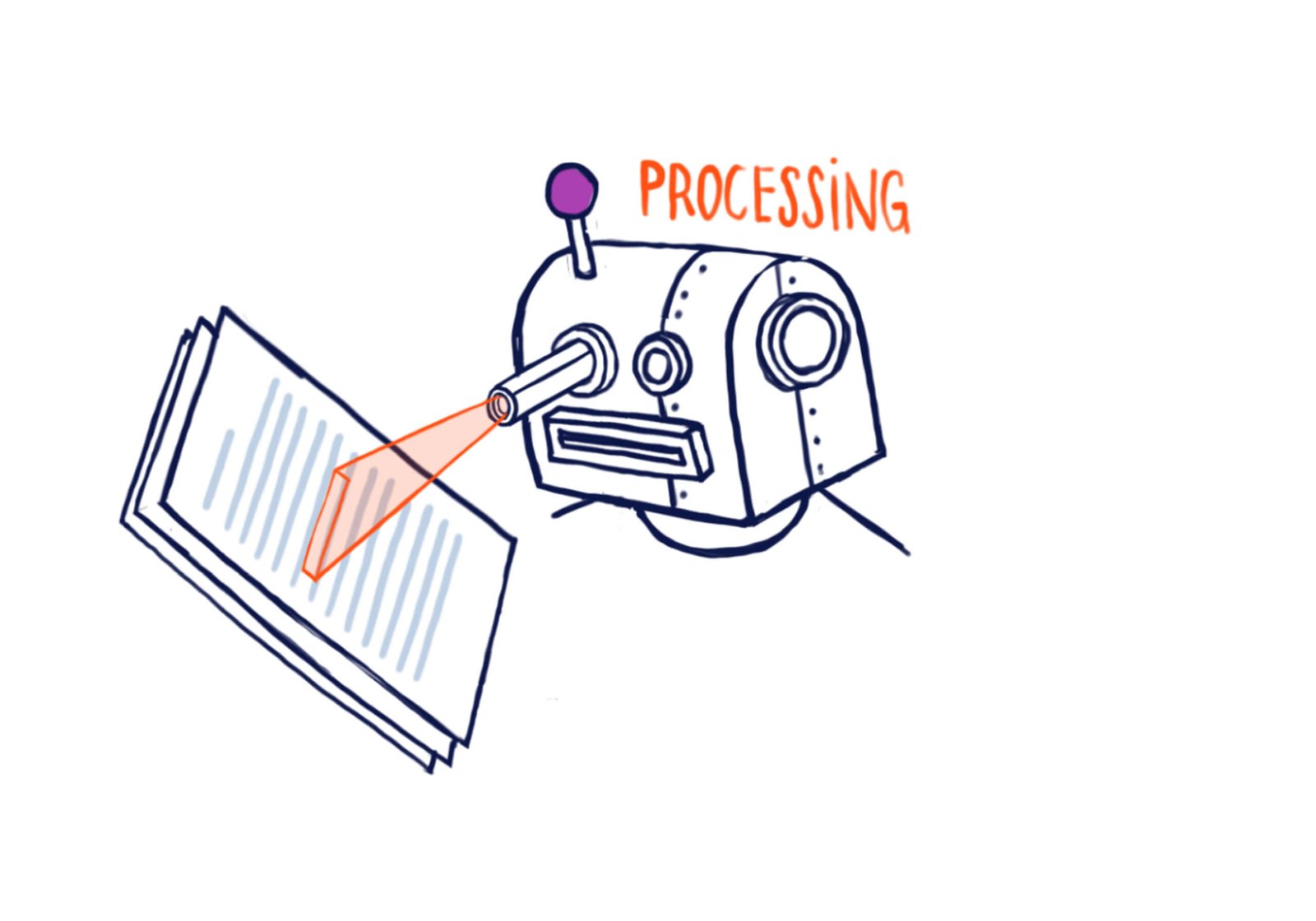
Artificial intelligence has transformed the way people create and consume content. Writers, students, marketers, and businesses now use AI tools for everyday tasks. However, this growth has also created a need for reliable content verification. An AI detector can help identify writing that may have been generated by artificial intelligence.
AI detection has become especially useful as tools like ChatGPT, Gemini, Claude, and other language models become more advanced. Therefore, understanding how AI detection works can help users make better decisions about their content.
What Is an AI Detector?
An AI detector is a software tool that analyzes written content for patterns associated with artificial intelligence. It examines factors such as sentence structure, vocabulary, predictability, and writing patterns.
Unlike a simple keyword checker, modern AI detection systems evaluate the broader characteristics of a passage. Consequently, they can provide more detailed insights into potentially AI-generated writing.
However, AI detection results should not automatically be considered absolute proof. Human writing can sometimes contain patterns that resemble AI-generated text. Therefore, results should always receive thoughtful human review.
How Does an AI Detector Work?
Analyzing Language Patterns
AI-generated content often follows recognizable linguistic patterns. For example, some AI-written passages may use predictable sentence structures or repeated expressions.
An AI detector examines these characteristics across the submitted content. It then uses its detection technology to estimate whether the writing appears human-generated or AI-generated.
Detecting Content From Different AI Models
Modern language models have different writing characteristics. ChatGPT, GPT models, Google Gemini, Claude, DeepSeek, Llama, and Mistral can produce text with varying patterns.
Therefore, advanced AI detection systems need to analyze content from multiple perspectives. This approach can help users understand how their content appears under different detection signals.
Why Do People Use AI Detection Tools?
Students and Educators
Students increasingly use AI writing tools for research and drafting. At the same time, educational institutions want to encourage authentic academic work.
An AI detector can help educators review suspicious content. Students can also use detection tools to understand how their writing may appear before submission.
However, detection results should complement academic judgment. They should not replace proper review, communication, or institutional policies.
Writers and Content Marketers
Professional writers also benefit from AI detection. Content teams often want their articles to sound natural, original, and audience-focused.
An AI detector can identify sections that appear overly predictable or formulaic. Writers can then review those areas and improve clarity, flow, and individuality.
Using Isgen.ai for AI Content Detection
Isgen.ai provides AI-powered tools designed for content analysis and verification. Its AI detector helps users examine written content for signs associated with artificial intelligence.
The platform is useful for students, educators, writers, publishers, and digital marketers. Users can analyze their content and review detection results through a straightforward workflow.
Moreover, Isgen.ai focuses on supporting modern content needs. Its tools can help users understand their writing while maintaining a practical approach to content verification.
AI Detection and Plagiarism Are Different
AI detection and plagiarism checking address different concerns. An AI detector examines whether text displays characteristics associated with machine-generated content.
Meanwhile, a plagiarism checker looks for similarities between submitted content and existing sources. Therefore, these tools should not be treated as interchangeable.
Using both can provide a broader content review. Writers can check originality while also examining potential AI-generated patterns.
How to Create More Authentic Content
Technology can assist with content analysis, but strong writing begins with good practices. First, develop original ideas before starting the writing process.
Next, include relevant examples and specific details. Also, vary sentence structures naturally throughout the article.
Most importantly, edit your work carefully. Remove repetitive phrases and replace generic statements with useful information.
These simple practices can make content more engaging for real readers.
The Future of AI Detection
AI technology continues to evolve quickly. As language models become more sophisticated, AI detection technology will also continue developing.
Future detection tools may provide deeper insights into writing patterns and content characteristics. However, human judgment will remain important.
The goal should not simply be achieving a particular detection score. Instead, writers should focus on creating accurate, useful, original, and reader-friendly content.
Conclusion
An AI detector offers a practical way to examine content for characteristics associated with artificial intelligence. It can support students, educators, writers, marketers, and businesses in different content environments.
Tools such as Isgen.ai make content analysis more accessible for modern users. However, detection results should always be considered alongside human review and responsible content practices.
Ultimately, technology works best when it supports good writing rather than replacing it. By combining AI detection with thoughtful editing, creators can produce content that remains useful, natural, and valuable to readers.
For More Relevant Information: Click here






Post Comment