The Commercial Hydroseeding Process: From Slurry Mix to Mature Turf
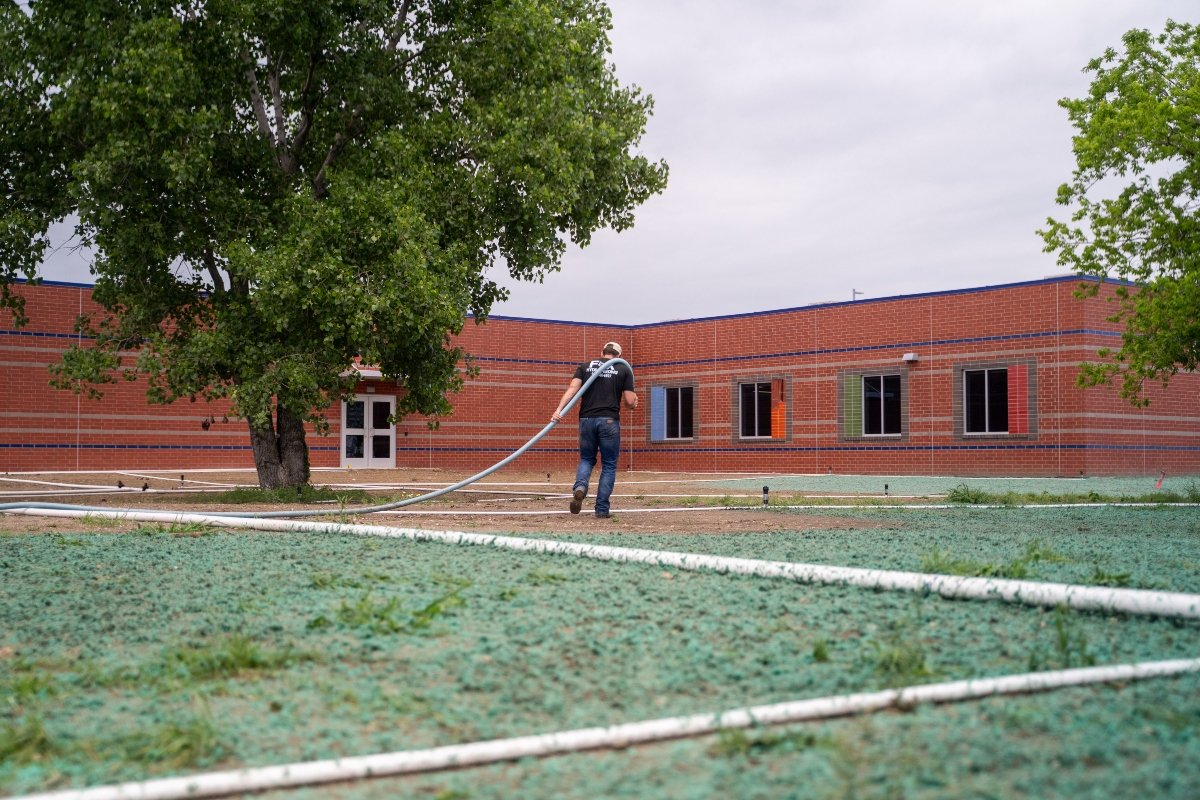
Commercial landscaping projects often cover large areas where traditional seeding methods can be slow, inconsistent, or difficult to manage. Hydroseeding provides contractors with a practical way to distribute grass seed and supporting materials evenly across prepared soil. The process combines seed, water, mulch, nutrients, and other materials into a slurry that can be sprayed across the target area. When properly planned and maintained, this application can develop into dense, healthy turf suitable for many commercial environments. Understanding each stage helps property owners and contractors make informed decisions about timing, preparation, maintenance, and expected results.
Professional commercial hydroseeding services involve much more than simply spraying a green mixture over bare ground. Successful turf establishment begins with evaluating the site, selecting appropriate seed varieties, preparing the soil, and determining the correct slurry formulation. Application technique also matters because coverage must be consistent across the project area. After spraying, irrigation and maintenance become essential to support germination and root development. By understanding the complete process from preparation through maturity, commercial property managers can establish more realistic expectations and make better decisions about their landscape investment.
What Is Commercial Hydroseeding?
Hydroseeding is a mechanical seeding technique designed to distribute grass seed and other materials across prepared soil in a controlled slurry. The mixture commonly contains water, seed, mulch, fertilizer, and a tackifying material, although the exact formulation depends on project requirements. The mulch helps retain moisture around the seed and can provide some protection against erosion and environmental exposure. Because the slurry is sprayed rather than manually spread, large areas can often be covered efficiently. This makes hydroseeding particularly useful for commercial developments, roadside projects, industrial properties, parks, and other expansive landscapes.
The effectiveness of hydroseeding depends heavily on matching the application to local conditions. Grass varieties should be selected according to factors such as climate, sunlight, soil type, drainage, expected traffic, and maintenance requirements. A commercial property with full sun and heavy foot traffic may require a different seed blend from a shaded landscape with limited use. Soil preparation also influences how well the seed establishes after application. Hydroseeding is therefore best viewed as a complete turf establishment process rather than simply an alternative method of spreading seed.
Step 1: Assessing and Preparing the Site
Before the slurry is mixed, the project area needs to be assessed carefully. Contractors should look at grading, soil quality, compaction, drainage, erosion risks, existing vegetation, debris, and accessibility for application equipment. Construction sites can present particular challenges because heavy machinery may compact the soil or disturb its original structure. If these conditions are ignored, even a professionally applied hydroseed mixture may struggle to establish. Proper preparation creates a more favorable environment for germination and encourages developing roots to move into the soil.
Depending on the property’s condition, preparation may include removing debris, correcting grades, loosening compacted soil, adding amendments, and creating a suitable seedbed. Soil testing can also provide useful information about nutrient availability and pH when the site requires more detailed preparation. The objective is to create soil that can hold moisture while allowing roots to access air, nutrients, and water. Contractors should also address drainage problems before application because persistent standing water can damage developing turf. Good preparation is one of the most important investments in the entire hydroseeding process.
Step 2: Selecting the Seed Mixture
The seed mixture determines what type of turf will eventually develop, making seed selection a critical stage of commercial hydroseeding. Contractors should consider the property’s regional climate, seasonal temperatures, sunlight exposure, soil characteristics, and intended use. Some grass species tolerate heavy traffic better than others, while certain varieties perform better in shade or during particular growing seasons. The maintenance expectations of the property should also influence the decision. Choosing a seed blend simply because it is inexpensive can create higher maintenance costs or poor performance later.
A professional hydroseeding provider should be able to explain why a particular blend has been selected for the project. The contractor may recommend a mixture containing multiple grass species to balance appearance, durability, germination characteristics, and environmental tolerance. The final choice should also consider how quickly the property needs to develop usable turf. Establishment speed can vary significantly depending on seed type and growing conditions. Clear communication about these factors helps property owners understand what to expect after the application.
Step 3: Creating the Hydroseeding Slurry
Once the site and seed mixture are established, the materials are combined in specialized hydroseeding equipment. Water forms the primary carrier, while seed, mulch, nutrients, and other additives are incorporated according to the project’s requirements. The mixture needs to remain sufficiently uniform so the seed and supporting materials can be distributed consistently throughout the application. The exact proportions can vary depending on soil conditions, slope, erosion concerns, seed type, and application objectives. Experienced operators understand that the slurry should be designed for the site rather than treated as a universal formula.
Mulch is an especially important component because it can help hold moisture around the seed and reduce exposure of the soil surface. In some applications, a tackifier may be incorporated to help the material adhere to slopes or remain in place during early weather events. Nutrients may also be included to support early plant development when appropriate. For projects in areas with challenging weather or exposed terrain, the formulation may require additional consideration. Proper mixing and material selection help create the foundation for successful germination after spraying.
Step 4: Applying the Slurry
During application, trained operators use hydroseeding equipment to distribute the slurry across the prepared ground. The operator should aim for even coverage while accounting for slopes, corners, drainage areas, obstacles, and changes in terrain. Large commercial sites may require systematic application patterns to ensure that no areas receive too little or too much material. Equipment access and site layout should be considered before work begins. Careful application helps create a more uniform starting point for turf development.
Sloped or erosion-prone areas may require specialized application techniques and additional erosion-control considerations. The mulch layer can provide surface protection, but it does not eliminate the need for appropriate grading and drainage. During application, operators should also avoid unnecessary disturbance of prepared soil. A professional team understands how equipment movement and spray pressure can affect the seedbed. Once the slurry has been applied, the project moves into the most important stage for establishment: consistent aftercare.
Step 5: Supporting Germination and Early Growth
After hydroseeding, moisture management becomes critical. Newly applied seed needs adequate moisture to begin germination, but excessive irrigation can wash seed away or create unfavorable soil conditions. The irrigation schedule should therefore account for weather, soil type, slope, drainage, and seed requirements. During hot or dry conditions, the site may require more frequent watering, while cooler or wetter conditions can change the schedule. Contractors should provide clear maintenance instructions rather than assuming the property owner knows how to manage newly hydroseeded turf.
Early growth also requires protection from unnecessary traffic and disturbance. People, vehicles, equipment, and construction activity can damage the developing grass before roots have established securely. Mowing should begin only when the turf has reached an appropriate height and is sufficiently established for cutting. Fertilization should also follow the needs of the grass and soil rather than an arbitrary schedule. Proper aftercare during these first stages can make a significant difference in the density and strength of the eventual lawn.
Step 6: Transitioning From Seedlings to Established Turf
As germination progresses, individual seedlings begin developing stronger root systems and producing more visible foliage. The appearance may initially be uneven, particularly when different grass varieties germinate at different rates. This does not necessarily mean the application has failed, because turf establishment is a biological process influenced by many environmental factors. Consistent moisture, appropriate temperatures, adequate sunlight, and suitable soil conditions all contribute to development. Regular monitoring allows maintenance teams to identify problem areas before they become larger issues.
Over time, the young turf should become denser as plants develop and fill available spaces. At this stage, mowing practices become increasingly important because excessive mowing or cutting too short can weaken developing grass. Irrigation can generally be adjusted as roots become established, although the correct schedule depends on weather and turf requirements. Weed management may also become necessary if unwanted plants emerge during establishment. A gradual transition from establishment care to routine lawn maintenance helps support healthier long-term turf.
Hydromulch North Texas and Regional Considerations
Projects using Hydromulch North Texas techniques may require special attention to regional weather patterns, soil conditions, water availability, and seasonal timing. North Texas can experience periods of intense heat, drought, heavy rainfall, and rapid weather changes, all of which can influence turf establishment. A hydroseeding plan should therefore consider when the seed will be applied and how irrigation can be maintained during the early growth period. Selecting grass varieties suited to the local environment is equally important. Regional expertise can help contractors make decisions that are more practical for the conditions the turf will actually face.
Heavy rain is another consideration for exposed commercial sites because intense rainfall can disturb soil and newly developing vegetation. Proper grading, drainage, mulch selection, and erosion-control planning can help reduce these risks. Contractors should avoid assuming that one application strategy works equally well throughout every season. Weather forecasts and site conditions should be considered when scheduling the work. A knowledgeable provider can help determine whether the timing and preparation are appropriate before committing to an application date.
How Long Does Commercial Hydroseeding Take to Mature?
There is no single timetable that applies to every hydroseeded commercial property. Germination and turf development depend on grass species, soil temperature, moisture, sunlight, weather, seed quality, and maintenance. Some grass varieties can begin showing growth relatively quickly, while others require more time before producing substantial coverage. Initial green growth should not be confused with full establishment because roots need additional time to develop. Property owners should evaluate progress based on the expected characteristics of the selected turf rather than demanding an identical timeline for every project.
Mature turf is achieved gradually through continued growth and maintenance. As the root system becomes stronger, the grass can generally tolerate normal mowing and carefully managed use more effectively. Irrigation practices may change as the lawn becomes established, with the objective of encouraging deeper and healthier roots rather than maintaining constant surface moisture. Seasonal conditions can also influence how quickly the landscape reaches its desired appearance. Setting realistic expectations from the beginning helps prevent unnecessary intervention during the normal establishment process.
Building a Successful Long-Term Turf Program
The end of the hydroseeding application is the beginning of a longer turf management process. Once the grass is established, commercial properties need an appropriate program for mowing, irrigation, fertilization, weed management, aeration, and seasonal care. The exact requirements depend on the selected grass and how the property is used. High-traffic commercial landscapes may need more intensive maintenance than decorative areas that receive little activity. A proactive approach can protect the investment made during the initial hydroseeding project.
Successful commercial turf also depends on monitoring changes in site conditions over time. Drainage problems, irrigation failures, construction activity, excessive traffic, pests, and environmental stress can all affect established grass. Identifying these issues early can prevent small damaged areas from becoming widespread deterioration. Property managers should maintain communication with their landscaping professionals when significant changes occur. Consistent care allows hydroseeded turf to develop from a sprayed slurry into a durable landscape capable of supporting the property’s long-term needs.
Final Thoughts
The commercial hydroseeding process is a carefully coordinated sequence that begins with site assessment and ends with established turf. Every stage matters, from soil preparation and seed selection to slurry formulation, application, irrigation, and ongoing maintenance. Commercial hydroseeding services can provide efficient coverage for large areas, but the quality of the final result depends on more than the spraying equipment itself. Proper planning and knowledgeable application are essential for creating favorable conditions for germination and root development. Contractors who understand the complete process can make better decisions about scheduling, budgeting, seed selection, and aftercare.
Whether a project involves a large commercial development, roadside landscape, industrial property, or expansive open area, hydroseeding should be approached as a long-term turf establishment strategy. Regional factors such as those found in North Texas make timing, soil preparation, irrigation, and erosion control especially important. With the right materials, professional application, and consistent maintenance, a properly planned hydroseeding project can develop into healthy, resilient turf. The journey from slurry mix to mature grass takes time, but careful preparation and informed management can make the investment worthwhile.





Post Comment