360-Degree Visuals: Transforming Lobbies, Malls, and Showrooms with LED Cubes
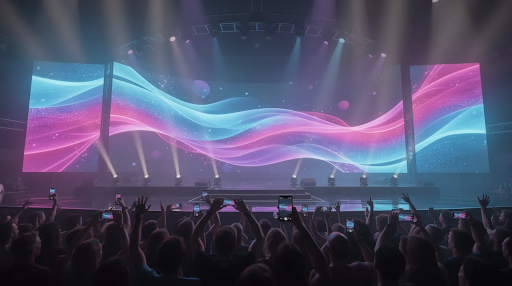
Modern businesses are constantly looking for new ways to capture attention, communicate their brand identity, and create memorable customer experiences. Traditional digital screens remain effective for advertising and information sharing, but their flat design can limit how audiences interact with visual content. As commercial interiors become more creative and experience-driven, three-dimensional LED installations are emerging as an exciting alternative.
An LED cube display transforms digital signage into a multi-sided visual experience. Instead of presenting content on a single wall, it uses multiple LED surfaces arranged in a cube-like structure to deliver visuals from different viewing directions. This makes it suitable for shopping malls, corporate lobbies, retail showrooms, exhibitions, and entertainment venues.
For businesses considering an indoor led screen, a led cube display offers a distinctive way to combine digital advertising with modern interior architecture. With the right location, display specifications, and content strategy, LED cubes can turn ordinary commercial spaces into engaging visual destinations.
What Is a 360-Degree LED Cube Display?
An LED cube display is a three-dimensional digital structure made from LED panels or modules arranged across several faces. Depending on its design, it may have four, five, or six display surfaces, allowing content to be viewed from multiple directions.
Unlike a conventional flat LED screen, a cube can become a central feature within a space. Visitors can move around the installation and see different parts of the visual presentation. When the content is designed carefully, animations can appear to rotate around the structure, travel between faces, or create the illusion of three-dimensional movement.
Although often described as a 360-degree display, the actual viewing experience depends on the number of active faces, the installation position, and whether the structure is accessible from every direction.
How LED Cubes Create Immersive Visuals
LED cube displays combine physical geometry with digital content. Each display face is controlled to present individual visuals or synchronised animations, depending on the system configuration.
For example, a retail brand could show a product on one face, highlight its features on another, and display campaign messaging across the remaining surfaces. Alternatively, coordinated animation can make a product appear to rotate around the cube.
The most effective installations use content specifically created for the cube’s shape rather than simply stretching a conventional video across multiple screens.
1. Transforming Corporate Lobbies into Brand Experiences
A corporate lobby often creates the first impression for visitors, business partners, and potential customers. Traditional reception screens can display welcome messages and company information, but an LED cube introduces a more architectural and visually distinctive element.
Creating a Memorable First Impression
A suspended or freestanding LED cube can become a focal point in a reception area. Businesses can use it to display corporate branding, company milestones, service information, event announcements, or abstract animations that reflect their brand identity.
For technology companies, the display might feature animated data visualisations or product demonstrations. Professional service firms may prefer elegant motion graphics, company values, and welcome messages.
Supporting Corporate Communication
LED cubes can also communicate information to visitors attending meetings, conferences, or corporate events. Different faces can display schedules, room directions, event sponsors, and company announcements.
Businesses should ensure that essential information remains readable from the expected viewing distances. Decorative animation may attract attention, but clear typography and a consistent content hierarchy are necessary when the display serves an informational purpose.
2. Attracting Attention in Shopping Malls
Shopping malls are competitive advertising environments. Retailers, entertainment venues, and event organisers all want to capture the attention of visitors moving through busy corridors and open atriums.
An LED cube can provide visibility from several directions, making it suitable for central areas where visitors approach from different pathways.
Creating High-Impact Retail Campaigns
Brands can use LED cubes to promote new products, seasonal sales, product launches, and limited-time offers. A cosmetics brand might showcase product packaging and campaign visuals, while a sports retailer could display action footage and promotional messages.
The cube’s multi-sided structure allows the campaign to reach different audience positions without requiring several separate wall-mounted displays.
Supporting Mall Events and Promotions
Shopping mall operators can use LED cubes to communicate event schedules, holiday campaigns, competitions, and promotional activities. The content can be updated to reflect changing events and marketing priorities.
However, installation planning is essential. The display should not obstruct walkways, interfere with emergency exits, or create excessive visual distraction in areas with heavy pedestrian traffic.
3. Elevating Retail Showrooms and Product Displays
Showrooms are designed to help customers understand products, compare options, and experience a brand’s offering. Digital displays can support this process by presenting demonstrations, specifications, and visual storytelling.
An LED cube can add another dimension to product presentation by showing different views or aspects of a product across its faces.
Showcasing Products from Multiple Angles
Automotive showrooms, electronics retailers, furniture brands, and technology companies may use LED cubes to highlight product features and brand campaigns.
For example, an automotive showroom could display a vehicle’s exterior on one face, interior details on another, and performance information on the remaining surfaces. The physical product can remain the main attraction while the cube supplies supporting digital content.
Creating a Premium Retail Environment
An appropriately designed indoor led screen installation can complement showroom lighting, materials, and spatial planning. An LED cube can act as a central visual feature, helping businesses create a more contemporary and engaging environment.
The installation should support the products rather than overwhelm them. Content brightness, animation speed, and colour choices should be coordinated with the showroom’s overall design.
4. Choosing the Right LED Cube Specifications
A successful LED cube installation depends on more than its shape. Businesses should evaluate technical specifications to ensure that the display delivers the required image quality and operational reliability.
Pixel Pitch and Viewing Distance
Pixel pitch refers to the distance between the centres of adjacent LED pixels, measured in millimetres. It affects the amount of detail a display can reproduce and how clearly content appears from different distances.
A cube placed near visitors may require a finer pixel pitch than one suspended high above a shopping mall floor. Because people can view a cube from several directions, businesses should consider viewing distances around the entire installation.
Brightness and Indoor Lighting
Display brightness should suit the environment. A brightly illuminated mall atrium may require different settings from a corporate lobby with controlled lighting.
Excessive brightness can cause discomfort and distract visitors, while insufficient brightness may reduce content visibility. Adjustable brightness helps maintain a balanced viewing experience throughout operating hours.
Resolution and Content Compatibility
Each face of the cube has its own dimensions and resolution. Content must be designed to match these specifications so that images remain aligned and animations transition correctly between faces.
Businesses should confirm that the control system supports the desired content formats, synchronisation requirements, and playback schedules.
5. Installation, Safety, and Maintenance
LED cubes require careful planning because their three-dimensional structure may create additional installation challenges compared with a conventional flat screen.
Structural Support and Electrical Planning
Suspended installations require an appropriate structural assessment, secure mounting hardware, and professional installation. The combined weight of the LED panels, frame, and supporting equipment must be considered before installation begins.
Electrical capacity, cable routing, ventilation, and maintenance access should also be planned. For public spaces, the installation must comply with applicable building, electrical, and venue safety requirements.
Routine Maintenance
Regular maintenance helps preserve display performance and reduce unexpected downtime. Depending on the system, maintenance may include inspecting LED modules, checking connections, cleaning accessible surfaces, monitoring temperatures, and reviewing controller performance.
Businesses should ask suppliers about warranty terms, spare-part availability, service response times, and the procedures required to replace individual modules.
6. Measuring the Return on Investment of LED Cubes
An LED cube should be evaluated as a business investment rather than simply a decorative installation.
Potential benefits include increased advertising visibility, stronger brand recognition, more engaging product presentations, and improved communication in high-traffic environments. However, results depend on location, content quality, audience exposure, and how effectively the display supports business objectives.
Before purchasing, businesses should establish measurable goals. These might include campaign impressions, event attendance, customer engagement, advertising revenue, or improvements in visitor communication.
The total cost should include hardware, installation, content production, electricity, maintenance, and future upgrades. Comparing these costs against the expected business benefits helps determine whether the installation is commercially worthwhile.
Conclusion
LED cubes are expanding the possibilities of digital signage by moving beyond traditional flat walls and introducing multi-sided visual experiences into commercial interiors. From corporate lobbies and shopping malls to retail showrooms, these installations can attract attention, strengthen brand communication, and make better use of prominent architectural spaces.
For businesses exploring an indoor led screen, a led cube display offers a distinctive solution when visibility from multiple directions and three-dimensional presentation are important. Its success depends on choosing suitable pixel pitch, brightness, content, installation methods, and maintenance arrangements.
With careful planning, LED cubes can become more than digital advertising surfaces. They can serve as architectural centrepieces that connect technology, interior design, and customer experience.
Frequently Asked Questions
1. What is a 360-degree LED cube display?
It is a three-dimensional digital display with LED panels arranged across multiple faces. Its design can allow viewers to see content from several directions, although the actual viewing coverage depends on the installation.
2. Where are LED cube displays commonly used?
Common applications include corporate lobbies, shopping mall atriums, retail showrooms, exhibitions, event venues, and entertainment spaces.
3. Are LED cubes suitable for indoor advertising?
Yes. They can display promotional videos, brand messages, product demonstrations, event information, and coordinated animations in indoor commercial environments.
4. What should businesses consider before installing an LED cube?
Important considerations include pixel pitch, viewing distance, brightness, resolution, structural support, electrical requirements, content design, maintenance access, and total cost of ownership.



Post Comment