What Safety Features Should A Quality Summer Camp Offer?
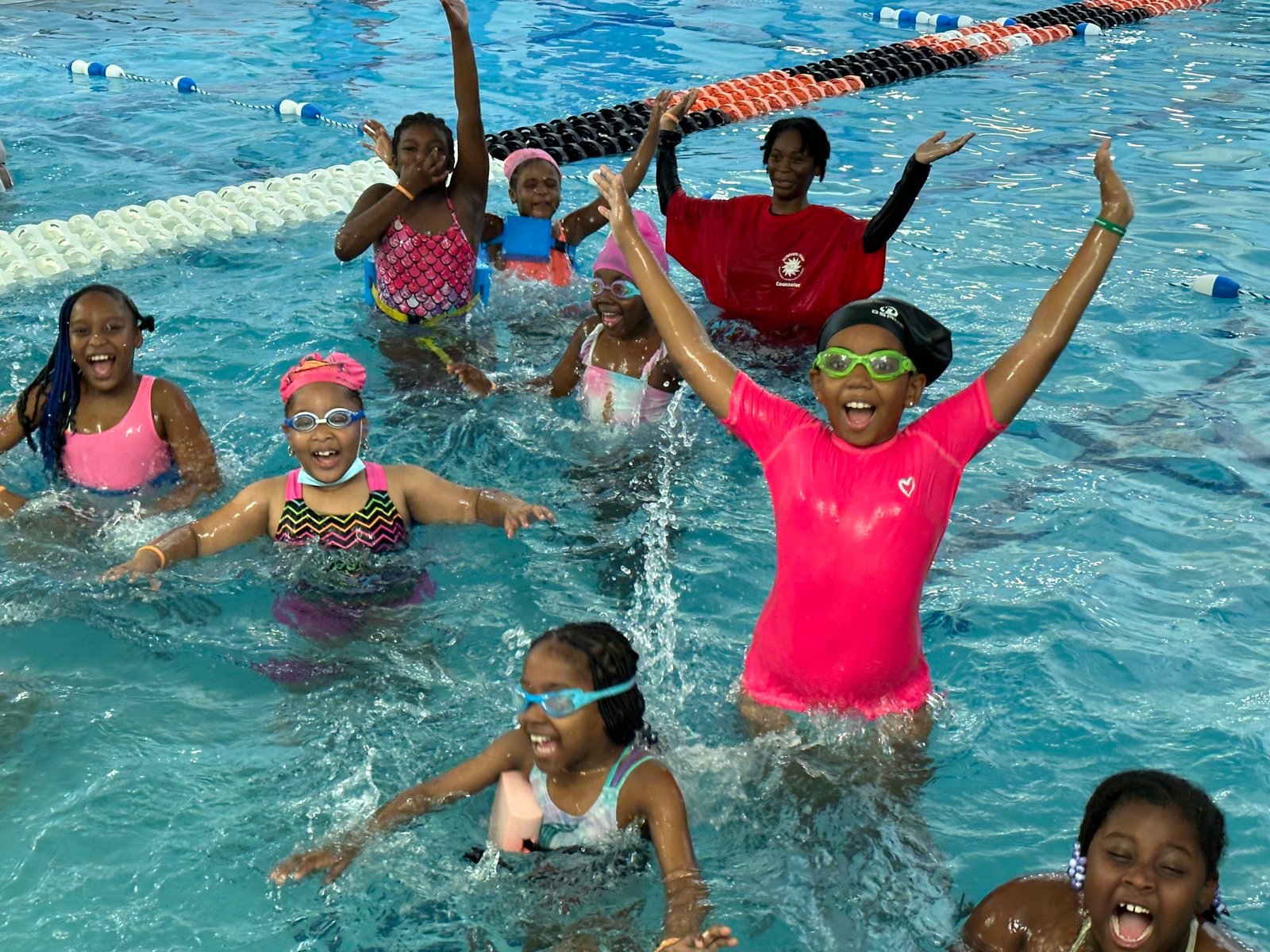
A summer camp should be a place where children make friends, explore new interests, and create lasting memories without compromising their safety. However, choosing the right program involves more than checking its activities, location, or fees. Parents need to understand how a camp protects children throughout the day. When evaluating a Summer camp Davie option, families should look for trained staff, secure facilities, clear emergency procedures, and reliable health policies that support a safe, enjoyable experience.
Why Safety Should Be Every Summer Camp’s Priority
Children learn best when they feel comfortable, supported, and protected. At summer camp, they may participate in outdoor games, swimming, arts and crafts, sports, and group activities. Each experience offers valuable learning opportunities, but it also requires appropriate supervision and risk management.
A quality summer camp does not rely on good intentions alone. Instead, it establishes clear safety policies, trains its employees, maintains its facilities, and communicates openly with parents. These measures help staff identify potential problems before they become serious.
Safety also includes emotional well-being. Children should feel comfortable asking for help, reporting inappropriate behavior, and telling an adult when something feels wrong. A welcoming environment encourages children to participate confidently while giving parents greater peace of mind.
Trained Staff and Appropriate Child Supervision
The people responsible for children have a direct influence on their safety. Even a well-equipped facility cannot provide adequate protection if its staff members lack the training or attention required to supervise activities effectively.
Parents should ask how a summer camp recruits employees, verifies their backgrounds, and prepares them to work with children. They should also find out whether the camp provides ongoing training rather than relying exclusively on initial orientation.
Background Checks and Professional Preparation
A reputable program should conduct appropriate background checks on employees and other adults who have regular access to campers, following applicable laws and licensing requirements. References, employment history, and qualifications should also be reviewed where appropriate.
Staff training should cover child supervision, recognizing signs of distress, responding to injuries, preventing bullying, and following safeguarding policies. Employees working with specialized activities may need additional qualifications, such as lifeguard certification or sport-specific safety training.
Parents can ask whether the camp has a designated safeguarding lead or supervisor who handles concerns involving children’s welfare. Clear responsibility helps ensure that incidents receive timely attention.
Staff-to-Child Ratios and Active Monitoring
The appropriate staff-to-child ratio depends on children’s ages, the activity, the location, and applicable regulations. Younger children generally require closer supervision, while activities involving water, climbing, or specialized equipment may need additional qualified adults.
A summer camp should explain how it supervises children during transitions, bathroom breaks, outdoor play, and field trips. Staff should know which children are assigned to them and use reliable headcounts when groups move between locations.
For example, a counselor taking children from a classroom to an outdoor playground should confirm attendance before leaving, upon arrival, and whenever the group changes locations. Such consistent procedures reduce the risk of a child becoming separated from the group.
Secure Facilities and Controlled Access
A safe physical environment helps prevent accidents and keeps unauthorized individuals away from children. Parents should examine the camp’s entrance procedures, activity areas, classrooms, outdoor spaces, and visitor policies before enrolling their child.
A secure summer camp should maintain an accurate attendance record and know which children are present at any given time. Staff should verify the identity and authorization of adults collecting children, rather than releasing a camper simply because someone claims to be a family member.
Reliable Drop-Off and Pick-Up Procedures
Arrival and dismissal can become busy, especially when several families reach the facility simultaneously. A clear process helps prevent confusion and unauthorized pickups.
Parents should look for procedures that include:
- An authorized pickup list that families can update when necessary.
- Identity verification when staff members do not recognize an adult.
- Written authorization for changes to regular pickup arrangements.
- Accurate records of attendance, late arrivals, and early departures.
The camp should also explain what happens if an unauthorized person attempts to collect a child. Staff need a clear response that prioritizes the child’s protection and follows established policies.
Safe Buildings, Playgrounds, and Equipment
Camp facilities should be clean, well-maintained, and appropriate for the ages and abilities of participating children. Playgrounds need suitable impact-absorbing surfaces, secure equipment, and regular inspections for damaged parts or potential hazards.
Indoor spaces should have clear exits, accessible first-aid supplies, suitable ventilation, and safe storage for cleaning products or other hazardous materials. Electrical outlets, sharp tools, sports equipment, and maintenance supplies should receive appropriate safeguards.
Outdoor areas also deserve careful attention. Fences, gates, shaded rest areas, and clearly defined activity boundaries can help staff supervise children more effectively. If the program uses off-site facilities, parents should ask how those locations are assessed for safety.
Emergency Preparedness and First-Aid Readiness
Unexpected situations can occur even when a camp follows strong safety practices. A child’s fall, sudden illness, severe weather event, or other emergency requires a prompt and organized response.
A quality summer camp should maintain written emergency procedures and ensure staff members understand their individual responsibilities. Parents should be able to learn how the camp responds to common incidents and how it communicates with families when a serious event occurs.
First Aid and Medical Emergencies
At least some staff should have current first-aid and CPR training appropriate to their responsibilities, and the camp should ensure adequate qualified coverage throughout operating hours and activities. Programs offering swimming or other higher-risk activities may require additional specialized personnel.
First-aid kits should be accessible, appropriately stocked, and checked regularly. Staff should know how to contact emergency services, provide initial assistance within their training, and arrange appropriate medical care.
Parents should also understand how the camp handles injuries that do not require emergency services. For example, if a child falls during a game, staff should assess the situation, provide appropriate care, document the incident, and inform the family according to camp policy.
Fire Drills, Severe Weather, and Evacuation Plans
Camps need emergency procedures that reflect their facilities, location, activities, and local risks. These plans may cover fires, severe thunderstorms, lightning, extreme heat, medical emergencies, and evacuation or shelter-in-place situations.
In South Florida communities such as Davie, lightning, heavy rain, high temperatures, and humidity deserve particular attention. Staff should know when to suspend outdoor activities, move children to suitable shelter, provide water breaks, and recognize signs of heat-related illness.
Ask whether the camp practices emergency drills and updates its plans when facilities or activities change. A written plan is useful only when employees know how to put it into action.
Health Policies, Medication, and Allergy Management
Children may arrive at camp with allergies, dietary restrictions, medication needs, or other health considerations. A responsible program gathers the information necessary to care for each child safely while protecting confidential medical details.
Before enrollment, parents should receive clear instructions about submitting health forms, updating emergency contacts, and notifying the camp of changes in a child’s needs. Staff should know who is responsible for maintaining medical records and responding to health concerns.
Allergy Awareness and Safe Food Handling
Food-related policies matter even when a camp does not operate a full kitchen. Snacks, lunches, cooking projects, and shared food can expose children to allergens or create opportunities for cross-contact.
Parents should ask how the camp records allergies, communicates dietary requirements, and handles food brought from home. Staff should understand the camp’s procedures for preventing exposure and responding to allergic reactions.
If a child has a prescribed emergency medication, the family and camp should agree on storage, accessibility, authorized administration, and emergency response in accordance with applicable rules. Staff must understand the individual plan rather than assume that another employee will handle it.
Medication Storage and Illness Prevention
Medication should be stored securely and administered only by appropriately authorized personnel following applicable requirements and the child’s documented instructions. The camp should have a reliable process for recording doses and communicating medication-related concerns to parents.
Good hygiene is equally important. Handwashing facilities, routine cleaning, safe drinking water, and appropriate procedures for managing illness help reduce the spread of infections.
Camps should also explain when a sick child needs to remain at home and how families will be notified if symptoms develop during the day. Clear policies protect both the affected child and the wider group.
Water Safety and Outdoor Activity Protection
Swimming, water games, sports, and nature activities can make a summer camp memorable. However, these experiences require safeguards tailored to the specific risks involved.
Parents should ask how staff assess activities before children participate, what protective equipment is required, and whether the camp modifies activities for age, ability, weather, or individual needs.
Swimming Supervision and Lifeguard Coverage
Any camp that offers swimming should have a documented water-safety plan. This should identify supervision responsibilities, establish clear pool rules, and explain how the program responds to a water-related emergency.
Qualified lifeguards should be provided where required and appropriate for the setting. Lifeguards should have suitable visibility and should not be expected to supervise children while simultaneously performing unrelated duties.
Staff should know which children are permitted to enter the water, how swimming ability is assessed when relevant, and how headcounts are completed before and after swimming. Non-swimmers and less confident swimmers may need additional restrictions or closer supervision.
Parents should never assume that a child who can swim independently no longer needs adult supervision.
Sun Protection, Hydration, and Weather Awareness
Outdoor safety is particularly important during summer, when heat and ultraviolet exposure can affect children quickly. A well-managed camp schedules breaks, provides access to drinking water, encourages suitable clothing, and makes sunscreen arrangements clear to families.
Staff should recognize possible signs of heat exhaustion, including unusual weakness, dizziness, nausea, and excessive sweating. Confusion, fainting, or other severe symptoms require urgent action and appropriate emergency care.
Activities should be adjusted or suspended when weather conditions make participation unsafe. Parents should ask how the camp monitors forecasts, responds to lightning, and decides when outdoor play can resume.
Clear Policies for Bullying and Emotional Safety
Physical protection is only one part of a safe camp experience. Children also need an environment where they can build friendships without being threatened, humiliated, excluded, or pressured into uncomfortable situations.
A quality summer camp should have a written code of conduct that explains acceptable behavior, consequences for misconduct, and how children can report concerns. Staff should intervene promptly rather than dismissing repeated teasing as ordinary childhood conflict.
Preventing Bullying and Inappropriate Behavior
Counselors should understand how to recognize bullying, respond calmly, document concerns, and involve the appropriate supervisor. Children should know that they can approach a trusted adult if another camper makes them feel unsafe.
Safeguarding procedures should also address inappropriate conduct by adults. Clear professional boundaries, suitable supervision arrangements, rules for one-to-one interactions, and appropriate communication practices help protect children.
Parents should ask how the camp investigates complaints and communicates relevant outcomes while respecting privacy. A credible program takes concerns seriously and avoids promising that every incident can remain confidential regardless of circumstances.
Helping Children Speak Up
Children may struggle to explain an uncomfortable experience, especially when they are unfamiliar with the adults around them. Counselors can help by listening carefully, using age-appropriate language, and responding without blame.
For example, if a child says another camper repeatedly excludes them from games, a counselor should gather the necessary information, take reasonable steps to address the behavior, and monitor the situation afterward.
This approach teaches children that asking for help is appropriate. It also gives staff an opportunity to resolve problems before they escalate.
Essential Safety Features Parents Should Compare
When evaluating different programs, parents may find it difficult to compare policies that use different terminology. A simple checklist can help families ask consistent questions and identify areas that need clarification.
The following table summarizes important features and the practical questions parents can ask before making a decision.
| Safety feature | What parents should look for | Question to ask |
|---|---|---|
| Staff qualifications | Relevant training, appropriate screening, and clear responsibilities | What training and background checks are required? |
| Child supervision | Suitable staffing levels, attendance checks, and active monitoring | How do you supervise children during transitions? |
| Facility security | Controlled access and verified pickup arrangements | How do you confirm that an adult is authorized to collect a child? |
| Emergency readiness | Written response plans, drills, and first-aid coverage | What happens if a child is injured or severe weather develops? |
| Medical care | Health records, allergy procedures, and medication policies | How do you manage allergies and emergency medications? |
| Water activities | Appropriate supervision, safety rules, and qualified lifeguards where needed | Who supervises swimming, and how are headcounts completed? |
| Outdoor protection | Hydration, shade, weather monitoring, and activity adjustments | When do you cancel outdoor activities because of heat or lightning? |
| Emotional well-being | Anti-bullying rules, reporting procedures, and safeguarding practices | How do children report problems, and what happens next? |
| Parent communication | Timely incident notifications and accessible management | When and how will you contact me about a safety concern? |
Parents should use these questions as a starting point rather than assuming that a checklist guarantees safety. They should also verify any applicable licensing, inspection, and accreditation requirements through the relevant authorities.
Parent Communication and Transparent Camp Policies
Strong communication helps families understand what happens during the camp day and whom to contact when concerns arise. Before registration, parents should receive clear information about operating hours, attendance procedures, emergency contacts, medication requirements, and incident reporting.
A dependable summer camp should explain its policies in language families can understand. Staff should be willing to answer questions about supervision, activity risks, illness procedures, and emergency responses without giving vague assurances.
Parents should also find out how the program handles routine updates and urgent notifications. For example, a minor scrape may be documented and communicated according to the camp’s policy, while a serious injury may require immediate contact with the family and emergency services.
Transparency is especially important when something goes wrong. A responsible camp explains what happened, what actions staff took, and what follow-up steps are appropriate. Families should not have to repeatedly chase basic information about their child’s safety.
How to Evaluate a Camp Before Enrollment
Reading a website is a useful first step, but families can learn much more by speaking with camp administrators and visiting the facility when possible. Observing the environment can help parents understand whether written policies are reflected in everyday practices.
During a visit, look at how staff interact with children, whether activity spaces appear well-maintained, and whether employees can explain their responsibilities. Ask to review relevant policies, including emergency procedures, pickup rules, health requirements, and complaint handling.
Parents should also confirm that the program meets the licensing and regulatory requirements applicable to its specific services and location. Requirements may vary depending on the type of camp, the activities offered, and the ages of participants, so a general claim of being licensed or accredited should be verified where relevant.
Finally, involve children in an age-appropriate conversation about what makes them feel safe. Ask whether they feel comfortable approaching counselors, following activity rules, and telling an adult when they need help. Their reactions can provide useful insight into whether the environment feels welcoming and supportive.
Conclusion
Choosing a safe summer camp means looking beyond exciting activities and attractive facilities. Parents should evaluate staff qualifications, supervision practices, emergency readiness, medical procedures, secure access, and the camp’s approach to emotional well-being. They should also ask specific questions and verify relevant policies before enrollment rather than relying on general promises.
A quality summer camp combines careful planning with attentive adults who respond appropriately when circumstances change. By comparing safety features and maintaining open communication with camp administrators, families can make more informed decisions. The goal is to choose a program where children can explore, learn, build friendships, and enjoy summer with the protection and support they deserve.
Frequently Asked Questions
1. What is the most important safety feature of a summer camp?
Effective supervision by properly trained staff is one of the most important safety features. Counselors need to understand their responsibilities, monitor children actively, and know how to respond to injuries, emergencies, and safeguarding concerns. Secure facilities and clear procedures are also essential.
2. How can parents check whether a summer camp is safe?
Parents can visit the facility, ask about staff screening and training, review emergency and medical policies, and examine supervision and pickup procedures. They should also verify applicable licensing or regulatory requirements with the appropriate local authorities and ask how the camp handles complaints and incidents.
3. Should a summer camp have first-aid-trained employees?
Yes. A responsible program should ensure that appropriately trained personnel are available during operating hours and activities. First-aid and CPR coverage should reflect the camp’s activities, staffing arrangements, applicable requirements, and the needs of participating children.
4. What health precautions should parents expect from a summer camp?
Parents should expect procedures for collecting health information, managing allergies, handling medication, promoting hygiene, and responding to illness or injury. Outdoor programs should also address hydration, sun exposure, heat-related illness, and weather risks. Families should receive clear instructions for sharing important medical information.
5. Why should parents ask about a camp’s emergency plan?
An emergency plan helps staff respond quickly and consistently when a child becomes injured, severe weather develops, or another unexpected event occurs. Parents should ask how the camp conducts drills, contacts emergency services, notifies families, and accounts for every child during evacuations or other emergencies.



Post Comment