PV Plan Sets for USA Solar Projects: A Complete Guide to Faster Approvals
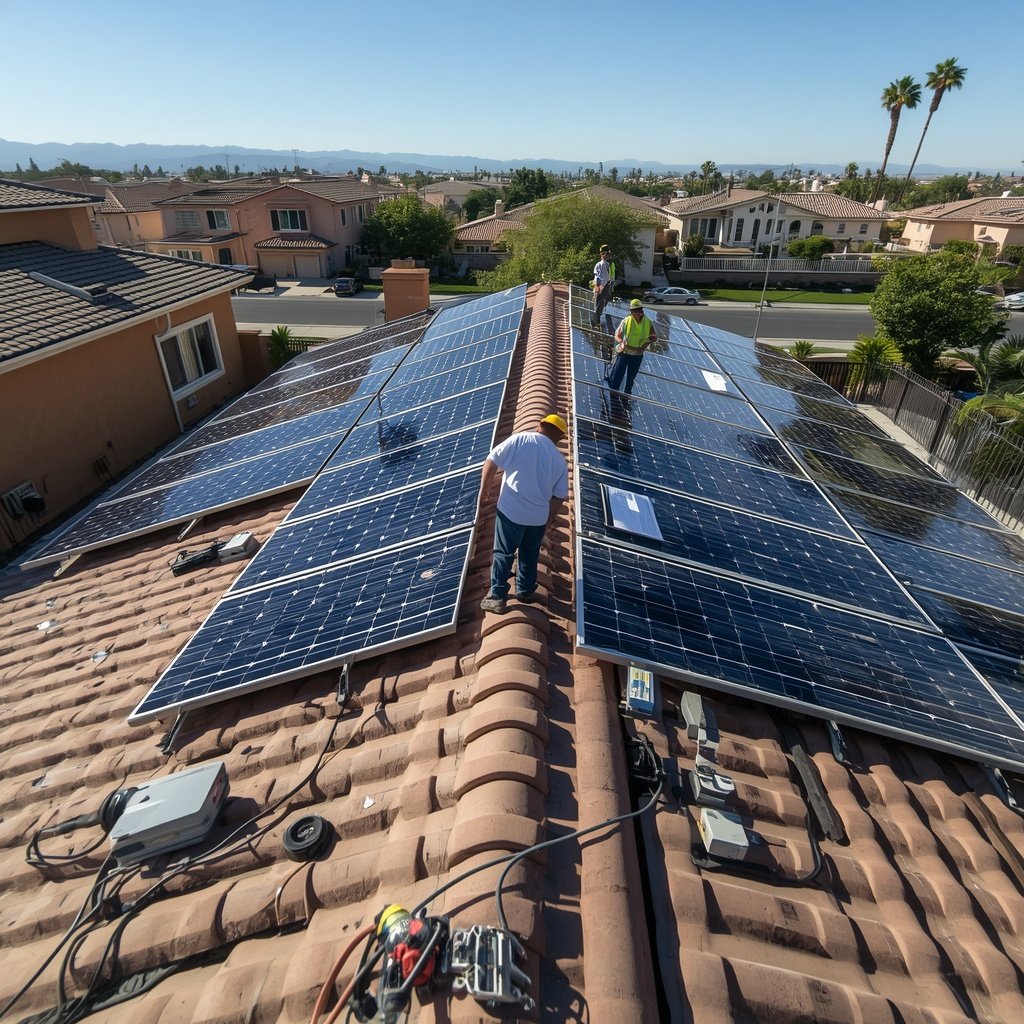
Every solar project in the United States starts with paper. Moreover, that paper decides how fast your crew installs and how fast the utility approves. Therefore, strong PV plan sets matter more than most installers admit. Weak drawings cause rejections. Rejections cause delays. Delays cost money.
In addition, the final milestone depends on early documents. Utilities check what the permit office approved. As a result, one small drawing mistake can hold up permission to operate approval for weeks. At PTO Edge, we see this pattern every day. Installers lose revenue because paperwork fails, not because panels fail.
This guide explains how PV plan sets work across the USA. Furthermore, it shows how they connect to permits, engineering stamps, and utility sign-off. Finally, it gives you a clear checklist for your next job.
Ready to submit clean drawings? Talk to our solar team today and move your project forward.
Why Drawings Decide Project Speed
Solar is a paperwork business as much as an installation business. First, the permit office reviews your drawings. Next, the utility reviews the same set. Then the inspector compares the roof to the paper. Every step relies on accuracy.
Consider a typical residential job in Arizona or Florida. The installer designs a 9 kW system. However, the drawings show ten strings, and the roof only fits eight. The reviewer catches the error and rejects the package. Consequently, the crew waits two more weeks.
Good PV plan sets prevent this story. Complete PV plan sets match the design, the site, and the code in one clear package. Similarly, they give the utility a reliable record for utility permission to operate later. Many installers learn this lesson after a few rejected jobs. Our guide to professional solar engineering services explains how early engineering removes those surprises.
What a Complete Drawing Package Includes
A complete package tells the whole story of the system, and PV plan sets organize that story clearly. First, it shows the site and the property lines. Second, it shows the array layout on the roof or ground. Third, it shows the electrical design from panel to meter.
Reviewers across the USA expect these core sheets:
- Cover sheet with project data and code references
- Site plan with setbacks and access pathways
- Roof plan with module layout and attachment points
- Single-line diagram with wire sizes and breakers
- Three-line diagram when the utility requires it
- Equipment specifications and labels
- Structural details for racking and attachments
Each sheet in PV plan sets serves a purpose. For example, the roof plan proves that firefighters can reach the ridge. In addition, the single-line diagram proves that conductors and breakers match the load. Therefore, missing sheets almost always trigger a correction notice.
Our dedicated page on solar plan set preparation shows how we assemble each sheet. Likewise, our data-backed solar sales proposals use the same design data, so the numbers stay consistent from quote to drawing.
Code Rules Every Reviewer Checks
Code compliance is the heart of every review. In the USA, the National Electrical Code sets the baseline. Most jurisdictions now enforce the 2017, 2020, or 2023 edition. However, each local authority can add its own amendments.
Several articles matter most for solar. Article 690 covers photovoltaic systems. Article 705 covers interconnected power sources. Article 706 covers energy storage. Moreover, the International Residential Code and International Building Code control structural and fire requirements.
Rapid shutdown deserves special attention. Reviewers want to see that the system reduces voltage quickly during an emergency. Consequently, your drawings must name the shutdown devices and show the initiation method. Our article on rapid shutdown NEC requirements breaks down each code cycle in plain language.
Labels also matter. For instance, inspectors look for warning labels at the main panel, the disconnect, and the inverter. Therefore, add a label sheet to every package. Doing so saves a reinspection and keeps the schedule on track. If you want a deeper reference, the U.S. Department of Energy solar resource page offers helpful national background.
How Local Authorities Change the Rules
Every authority having jurisdiction, or AHJ, works a little differently. A county in Texas may accept electronic files only. A city in California may demand a wet-stamped structural letter. Meanwhile, a town in New Jersey may require a separate fire review.
Because of this variety, generic PV plan sets rarely pass on the first try. Instead, each submission should match local checklists. Furthermore, experienced designers keep a library of jurisdiction notes for this reason.
Our team builds jurisdiction-tuned permitting packages that follow those local checklists. In addition, our guide to solar permit expediting support explains how to cut review time through better preparation. As a result, many installers see fewer correction letters and faster approvals.
When Engineering Review Becomes Necessary
Some projects need a licensed engineer’s seal. Large roofs, older buildings, and ground mounts often trigger this rule. Furthermore, several states require a stamp on electrical or structural pages for commercial work.
An engineer checks load paths, wind speeds, snow loads, and attachment spacing. Specifically, the engineer applies ASCE 7 values for the site. Wind in Florida differs sharply from snow in Colorado. Therefore, a generic design cannot satisfy both.
A licensed PE stamp review adds credibility to the whole package. Moreover, reviewers trust sealed drawings and approve them faster. We recommend ordering the review early, because late changes cost more. In fact, many correction notices disappear when an engineer reviews the design first.
Building Permit Packages That Pass
A permit package is more than drawings. It also includes the application, the specification sheets, and the structural letter. In addition, many cities want a signed owner authorization form. Missing any item delays the review clock.
First, collect all manufacturer data sheets. Second, confirm the module count against the drawings. Third, verify the inverter model against the utility approved list. Finally, upload everything in the format the portal expects.
Meanwhile, remember that the permit and the utility application must agree. If the permit says 8.4 kW and the utility form says 8.8 kW, trouble follows. Consequently, your team should compare both documents before every submission. Our latest solar industry articles can also help your office build that habit.
How Drawings Connect to Utility Sign-Off
Here is where many projects stall. The crew finishes the install, the inspector passes the work, and the owner waits. Meanwhile, the utility reviews the file before it grants final permission to operate approval.
Permission to operate is the utility’s written approval to switch on the system. Without it, the owner cannot export power legally. Therefore, no installer should call a job complete until this letter arrives.
The utility compares four items. It checks the application, the approved drawings, the inspection card, and the equipment list. If any item disagrees, the utility sends the file back. For that reason, careful PV plan sets protect your final payment as much as your permit.
Our complete USA PTO guide walks through each stage in order. Additionally, our team handles error-free utility submissions for installers who want fewer back-and-forth emails.
Common Utility Rejection Reasons
Utilities across the country reject files for similar reasons. Fortunately, most reasons are easy to prevent. Here are the most frequent ones:
- Inverter model not on the approved list
- System size differs between forms
- Missing signed interconnection agreement
- Inspection card not attached
- Single-line diagram lacking protection details
- Battery details absent from the drawings
Each error looks small. However, each one can add two to six weeks to the timeline. Consequently, many solar companies now run an internal checklist before every upload.
A reliable PTO documentation checklist should include every item above. In addition, review the utility requirements for PTO in your service area before you design. Requirements vary between investor-owned utilities, municipal utilities, and cooperatives. Therefore, early research prevents late rework. Furthermore, assign one owner to each utility file. That person tracks replies and answers questions within a day. Consequently, files rarely sit idle.
Why Timing Affects Cash Flow
Every day without permission to operate delays customer value. The owner cannot enjoy savings. Likewise, the installer cannot always collect the final milestone payment. Many lenders also hold their last disbursement until the utility approves the system.
Consider a company closing forty jobs per month. If each job slips ten days, cash flow suffers badly. Moreover, customer satisfaction drops and referrals shrink. Therefore, speed after installation matters as much as speed before it.
You can protect that schedule with faster PTO approval timelines built on accurate files. Also, a smooth final step improves reviews, which supports your next sale. As a result, documentation quality becomes a growth strategy, not a back-office chore.
Tax timing adds more pressure. Many homeowners claim the federal investment tax credit, so they want the system running in the correct tax year. Moreover, accurate PV plan sets reduce last-minute rushes in December. Therefore, plan your submission calendar around the busiest utility months. Also, track each file’s status weekly. Clear PV plan sets keep every status update short and positive.
Connecting Design, Sales, and Submission
Many installers split design, sales, and permitting across different tools. Consequently, data gets retyped, and errors creep in. A module count changes in the quote but not in the drawings. Then the utility finds the mismatch.
A single workflow fixes this problem. The same design data should flow into the proposal, the drawings, and the application. Furthermore, the sales team gains confidence because the customer sees numbers that match the final build.
Our Solar App+ design workflow combines design and permitting in one place. In addition, proposals built with accurate production data help you close more jobs. Better sales data also improves the quality of every later document, which leads straight to smoother PTO outcomes.
Residential Versus Commercial Documentation
Residential and commercial jobs need different levels of detail. A home rooftop system might fit on six sheets. However, a warehouse array can need twenty or more. Therefore, always scale your PV plan sets to the project type.
Residential reviewers focus on roof access, setbacks, and simple electrical diagrams. Commercial reviewers dig deeper. They check structural loads, fault current, and service equipment ratings. Moreover, many commercial jobs require a seal on both electrical and structural sheets. Because of this, sealed commercial solar drawings often become mandatory instead of optional.
Utilities also treat the two segments differently. A small home system may qualify for simple interconnection. In contrast, a large commercial system may need a study. Consequently, detailed PV plan sets help the utility assess the impact on the local grid. Likewise, accurate PV plan sets reduce the number of questions during review.
Teams that prepare commercial packages early save weeks. In addition, clear PV plan sets help owners understand what they are buying.
Storage and Added System Complexity
Battery storage changes everything. Many USA homeowners now add batteries for backup power. As a result, PV plan sets must show the storage location, the backup panel, and the transfer equipment. Furthermore, fire codes limit where batteries can sit, so the drawings must prove compliance.
Reviewers also look at clearance distances, ventilation, and labels. For example, garages and utility rooms follow different rules. Therefore, your PV plan sets should include wall elevations and equipment notes. Hybrid inverters add more detail to the single-line diagram. Likewise, EV chargers may affect the load calculation.
Utilities add their own rules for storage. Some limit export. Others demand special meters. Consequently, battery storage PTO requirements must enter the design stage, not the final stage. In addition, PV plan sets for storage projects should list the operating mode, such as self-consumption or backup. Clear PV plan sets answer these questions before the reviewer asks them.
Quality Control Habits That Reduce Errors
Quality control separates reliable teams from stressed teams. First, assign one person to review every package. Second, use a standard template for each project type. Third, keep a log of every correction notice. Over time, that log reveals patterns.
For example, a team may notice repeated label errors. Then it can update the template and fix the issue for good. Moreover, version control prevents confusion. Old PV plan sets should never circulate once a revision exists. Always stamp the date and revision number on the cover sheet.
Technology helps too. A one-workflow design and permitting approach keeps data consistent across every sheet. Additionally, automated checks catch mismatched component counts before upload. Even so, human review remains essential. A trained designer reads PV plan sets the way a reviewer does. That mindset finds errors early. Finally, train field crews to report as-built changes quickly, so PV plan sets match the final install.
Why Experience and Expertise Matter
Solar reviewers can tell quickly whether a designer understands the code. Experienced teams cite the correct NEC article and use the right terminology. In contrast, rushed packages show gaps and guesswork. Therefore, expertise builds trust with every reviewer who opens your file.
Look for credentials. Licensed professional engineers, NABCEP-certified staff, and designers with local knowledge all add value. Moreover, a track record across many AHJs shows that the team handles variety. Strong PV plan sets reflect that experience on every page.
Transparency matters as well. A trustworthy partner explains assumptions, cites code sections, and shares revision notes. Furthermore, the partner owns mistakes and corrects them fast. At PTO Edge, we follow that standard on every project. You can read how engineering decisions shape approvals in our detailed article. Experienced PV plan sets cut risk for the installer and the homeowner.
State-Level Differences Across the USA
The USA has no single solar rulebook. Instead, each state adds its own layer. California emphasizes energy code compliance and strict interconnection rules. Florida focuses on high wind loads and hurricane details. Meanwhile, Colorado and New York weigh snow loads and local fire access.
Because of this, PV plan sets must reflect the state before the first line is drawn. Moreover, incentive programs shape documentation. Some states require extra forms for net metering or performance incentives. Therefore, check your state program before design begins.
Utilities differ even within a state. A large investor-owned utility may use an online portal. A small cooperative may still accept email. Consequently, state utility PTO rules deserve a place in your process notes. Similarly, local permit package support helps teams that work across several counties.
Expanding into a new state? Start small. Review three sample approvals from the area. Then adjust your PV plan sets to match what the reviewers accept. Likewise, ask local installers about common comments. That advice often saves the first month of rework. Strong PV plan sets travel well when you adapt them thoughtfully.
A Practical Checklist Before You Submit
Use this checklist before every package leaves your office:
- Confirm the system size matches in every document.
- Verify the NEC edition your AHJ enforces.
- Check the structural calculations against local wind and snow loads.
- Attach manufacturer data sheets for every major component.
- Review labels, placards, and rapid shutdown notes.
- Obtain the PE seal when the jurisdiction requires it.
- Compare the drawings with the utility application.
- Keep a copy of every approval letter.
This list looks simple. Nevertheless, teams that follow it consistently reduce rejections sharply. Additionally, a written process helps new employees learn faster.
For the last step, plan your final PTO submission package before the inspection day. That way, you can upload everything the same afternoon the inspector signs off. Speed here separates average installers from top performers.
How to Choose the Right Partner
Not every drafting vendor understands USA code and utility practice. Therefore, ask direct questions before you sign. Does the team know your AHJs? Can the company supply a licensed engineer? Does it support the utility stage after the permit?
Look for a partner that offers the full chain. Specifically, you want design, engineering, permitting, and utility submission under one roof. Otherwise, you manage several vendors and chase every handoff.
Experience also builds trust. Ask for sample drawings and turnaround times. Moreover, ask how the vendor handles correction notices. A good partner responds quickly and explains each fix. For instance, our team explains every revision in plain language so your staff learns as the project moves.
If your work includes interconnection upgrades, plan for interconnection and PTO approval from day one. Early planning avoids costly redesigns.
Final Thoughts on Clean Documentation
Strong documentation wins projects. It speeds permits, satisfies inspectors, and earns utility approval without drama. Moreover, it protects your reputation with every customer. Start today, because every clean submission builds momentum for the next one. Your crews stay busy.
Remember the main lessons. First, build accurate PV plan sets for every job. Second, match local code and AHJ rules. Third, add engineering review when the site demands it. Finally, prepare every document for the utility stage before the install begins.
PTO Edge supports USA installers at every step of that journey. Whether you need drawings, stamps, permits, or securing solar permission to operate, our specialists stay ready. Together, we can shorten your timeline and keep your crews busy.
Want fewer rejections and faster approvals? Contact our engineering team now and request your project review.
Frequently Asked Questions
What do drawing packages contain?
PV plan sets are drawing packages that describe a solar installation. They include site plans, layouts, and electrical diagrams. Permit offices and utilities use them to approve the project.
Do all USA solar projects need a PE stamp?
No, not all of them. Requirements depend on state law, roof type, and system size. Your AHJ publishes the exact rule.
How long does permission to operate take?
Timelines vary by utility. Many approvals arrive within a few days to several weeks. Accurate documents shorten the wait.
Which NEC edition applies to my project?
Your AHJ decides. Most jurisdictions enforce the 2017, 2020, or 2023 edition. Always confirm before design starts.
Why do utilities reject solar applications?
Mismatched system sizes cause many rejections. Missing documents and unapproved equipment also rank high. A pre-submission checklist prevents most of them.






Post Comment