The Role of Pharma Packaging Machines in Unit-Dose Pouch Production
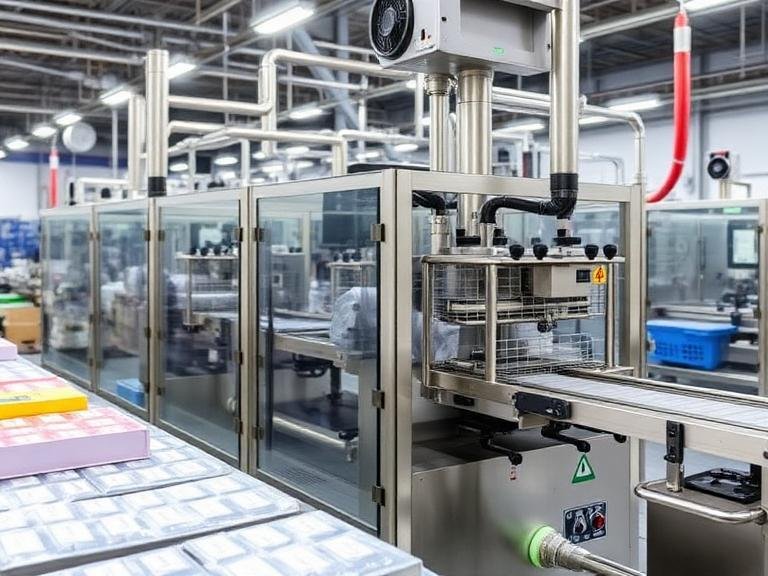
The pharmaceutical industry is currently witnessing a significant shift toward precision medicine and patient-centric delivery systems. As healthcare providers demand more accurate dosing methods, the reliance on pharma packaging machines has grown exponentially. These advanced systems are no longer just a luxury for large-scale manufacturers; they are a fundamental requirement for ensuring product safety, dosage accuracy, and regulatory compliance. Unit-dose pouch production represents the pinnacle of this shift, offering a convenient and reliable way to distribute medication to hospitals, pharmacies, and patients directly.
The Growing Importance of Unit-Dose Packaging
Unit-dose packaging refers to the process of sealing a single dose of medication in a dedicated pouch or sachet. This method has become the preferred choice for many pharmaceutical products, including powders, granules, liquids, and tablets. The goal is to reduce medication errors by providing the exact amount needed for a single administration.
For manufacturers, the move toward unit-dose formats requires a high level of technical sophistication. Traditional bulk packaging cannot offer the same level of protection or traceability. By utilizing specialized equipment, companies can ensure that every individual pouch is airtight, sterile, and clearly labeled with essential tracking information.
How Pharma Packaging Machines Enhance Production Accuracy
Accuracy is the most critical factor in pharmaceutical manufacturing. Even a slight deviation in dosage can lead to severe health risks or legal consequences. Modern machinery is designed to mitigate these risks through several key mechanisms:
-
Precision Dosing Systems: Most machines are equipped with auger fillers or liquid pumps that measure the product with micro-gram accuracy.
-
Integrated Weight Checking: Many systems include “check-weighers” that automatically reject any pouch that falls outside the specified weight range.
-
Hermetic Sealing: Maintaining the chemical stability of a drug requires a perfect seal to prevent moisture or oxygen from entering the pouch.
-
Controlled Environments: Specialized machines can operate within cleanroom environments to minimize the risk of airborne contamination.
Supporting Multi-Lane Efficiency
When high-volume production is required, multi-lane stick pack or sachet machines are utilized. These systems allow for multiple pouches to be filled and sealed simultaneously. This drastically increases throughput without sacrificing the footprint of the facility. For a growing business, this scalability is vital for meeting market demands while maintaining strict quality control.
Key Features of Unit-Dose Pouching Equipment
Selecting the right equipment involves understanding the specific needs of the product being packaged. Not all machines are created equal, and pharmaceutical applications require specific features that differ from the food or cosmetic industries.
Sanitary Design and Construction
In the pharmaceutical world, “sanitary design” is a non-negotiable requirement. Machines must be constructed using high-grade stainless steel (typically 316L) to prevent corrosion and ensure easy cleaning. Smooth surfaces and the absence of “dead spots” where powder or liquid could accumulate are essential for preventing cross-contamination between different batches.
Validated Control Systems
The software governing the machine must be compliant with industry standards, such as 21 CFR Part 11. This ensures that all production data is recorded, and any changes to the machine settings are tracked and attributed to a specific user. This level of transparency is critical during an audit or a product recall.
Vision Inspection and Serialization
Modern pouching lines often include high-speed cameras that inspect the printed data on every pouch. These systems check for the presence of a barcode, expiration date, and lot number. If the print is smudge or missing, the machine automatically removes that specific pouch from the line without stopping the entire production process.
Streamlining the Workflow with an Automatic Packaging Machine
As production scales, manual or semi-automatic processes become a bottleneck for growth. Integrating a fully automatic packaging machine into the production line allows for a seamless transition from raw product to a finished, shelf-ready package. These systems are designed to handle everything from film unwinding and pouch forming to filling, sealing, and coding.
The primary benefit of an automatic packaging machine is the reduction of human intervention. In a pharmaceutical setting, humans are often the primary source of contamination. By automating the pouching process, manufacturers can maintain a sterile chain of custody. Furthermore, automation ensures a level of consistency that manual labor simply cannot match. Every seal is made at the same temperature, every fill is the same volume, and every cut is made at the exact same point on the film.
Optimizing Material Usage
Another advantage of high-end automation is the reduction of material waste. Advanced sensors ensure that the film is perfectly aligned before sealing occurs. If a “no product, no bag” feature is included, the machine will stop the film feed if the dosing system is empty. This prevents the creation of empty pouches, saving both film costs and secondary packaging space.
The Future of Unit-Dose Pouching
The demand for unit-dose pouches is expected to continue its upward trajectory. With the rise of personalized medicine, machines will need to become even more flexible. We are already seeing a trend toward modular designs where components can be swapped out quickly to handle different product types or pouch sizes.
Furthermore, the industry is moving toward more sustainable packaging materials. Manufacturers are now looking for machines that can handle recyclable or compostable films without compromising the barrier properties required for drug stability. Companies that invest in versatile equipment today will be better positioned to adapt to these changing environmental regulations tomorrow.
Conclusion
The role of technology in pharmaceutical production cannot be overstated. From ensuring that a patient receives the correct dosage to protecting the product from environmental degradation, the right machinery is the backbone of the industry. By choosing high-quality systems, manufacturers can ensure they meet the highest standards of safety and efficiency. Whether you are a startup lab or a global manufacturer, the investment in precision automation is an investment in the trust and health of your end consumers.
Frequently Asked Questions
What is the difference between a sachet and a stick pack?
A sachet is typically a flat, four-sided or three-sided sealed pouch that is wider than it is long. A stick pack is a narrow, tube-shaped pouch usually sealed at both ends and along the back. Stick packs are often preferred for “on-the-go” powder products because they are easier to pour into narrow water bottles.
Can one machine handle both liquid and powder pharma products?
While some machines are modular and can be fitted with different dosing systems, it is usually best to have a machine dedicated to either liquid or powder. Powders require dust extraction and auger fillers, while liquids require specialized pumps and drip-resistant nozzles to maintain a clean sealing area.
How do these machines ensure the safety of the medication?
Safety is maintained through hermetic sealing, which protects the product from moisture and light. Additionally, integrated inspection systems check for correct labeling and serialization, ensuring that every dose can be traced back to its original batch for maximum accountability.
Is it difficult to clean these machines between different product runs?
Most pharmaceutical-grade machines are designed with “Clean-in-Place” (CIP) features or “tool-less” disassembly. This allows operators to quickly remove parts that come into contact with the product for deep cleaning, which helps to minimize downtime and prevent cross-contamination.
What speed can I expect from a unit-dose pouching machine?
Speed varies depending on the product and the number of lanes. A single-lane machine might produce 40 to 60 pouches per minute, while a multi-lane system can exceed 400 pouches per minute. The choice depends on your specific production goals and the viscosity or flow characteristics of your product.





Post Comment