How RCM Services Help New York Healthcare Providers Improve Revenue
Introduction
Healthcare providers in New York work in one of the busiest medical markets in the USA. From private clinics and urgent care centers to specialty practices and multi-provider groups, every healthcare organization needs a smooth billing process to stay financially stable. This is where RCM Services New York can help medical practices manage claims, reduce denials, and improve cash flow.
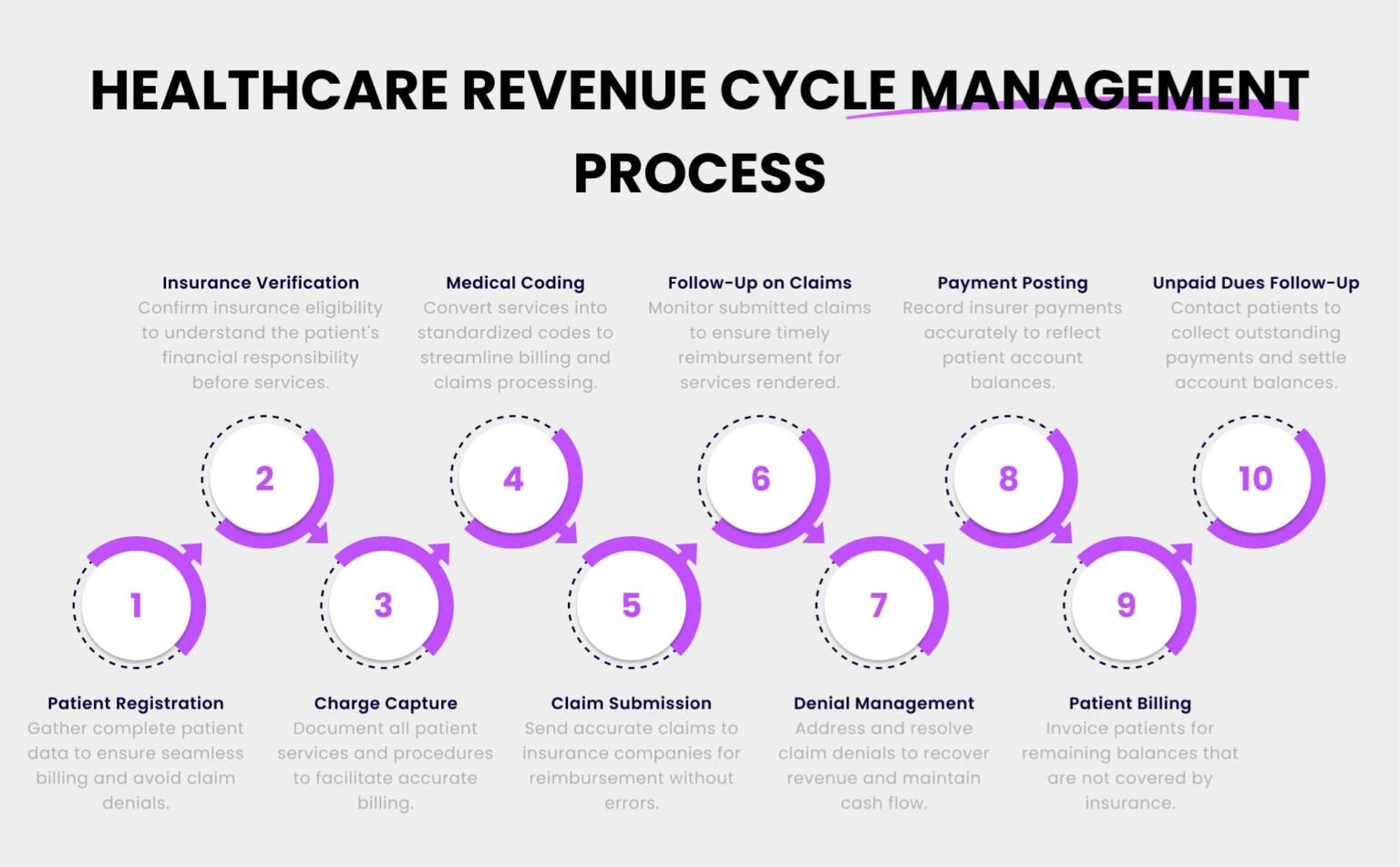
Revenue Cycle Management, also called RCM, covers the full financial process of a patient’s visit. It starts with appointment scheduling and insurance verification, then moves to medical coding, claim submission, payment posting, denial management, and patient billing. When this process is handled properly, providers get paid faster and avoid unnecessary revenue loss.
Why RCM Matters for New York Healthcare Providers
New York has a complex healthcare system. Providers deal with commercial insurance plans, Medicare, Medicaid, workers’ compensation, and patient responsibility balances. Each payer has its own rules, documentation needs, and claim submission requirements.
Even a small mistake in eligibility verification, coding, or claim entry can delay payment for weeks. For busy practices, these delays can create cash flow problems and increase administrative pressure. A strong RCM process helps prevent these issues by keeping billing accurate and organized.
Key Challenges in Medical Billing
Medical billing in New York is not just about sending claims. It requires constant attention to detail, payer updates, compliance rules, and follow-up. Some common challenges include:
Claim Denials
Claims can be denied because of incorrect patient information, expired insurance, missing authorization, coding mistakes, or payer-specific errors. If denials are not handled quickly, practices may lose revenue.
Delayed Payments
Many practices struggle with unpaid claims sitting in accounts receivable. Without regular follow-up, these claims can remain unresolved for months.
Coding Errors
Accurate medical coding is essential for proper reimbursement. Wrong CPT, ICD-10, or HCPCS codes can cause denials, underpayments, or compliance concerns.
Patient Billing Issues
Patients expect clear and simple billing. Confusing statements or delayed communication can affect collections and patient satisfaction.
Benefits of Professional RCM Support
Professional RCM support allows providers to focus more on patient care and less on administrative work. A skilled billing team manages the entire revenue cycle with accuracy and consistency.
Better Claim Accuracy
RCM experts review claims before submission to identify missing information, coding issues, and payer-specific requirements. This improves the chances of first-pass claim acceptance.
Faster Reimbursements
Clean claims and regular follow-up help practices receive payments faster. This improves monthly cash flow and reduces financial stress.
Reduced Administrative Work
Instead of spending hours checking claim status or correcting denials, providers and staff can focus on patient care and practice operations.
Improved Financial Reporting
RCM teams provide useful reports on collections, denials, aging claims, and payment trends. These reports help practices understand their financial performance.
Medical Coding and Compliance
Medical coding plays a major role in the revenue cycle. Every diagnosis, procedure, and service must be coded correctly according to current guidelines. Accurate coding supports clean claims and protects the practice from compliance risks.
For New York providers, coding accuracy is especially important because many practices offer specialized services. Whether the practice is in cardiology, dermatology, mental health, physical therapy, internal medicine, or urgent care, each specialty has unique billing requirements.
Denial Management and Appeals
Denial management is one of the most important parts of RCM. A good billing team does not simply resubmit denied claims without review. It identifies the reason for denial, corrects the issue, prepares documentation, and submits appeals when needed.
This process helps recover payments that may otherwise be lost. It also helps prevent the same mistakes from happening again.
Patient Billing and Collections
Patient responsibility has become a bigger part of healthcare revenue. High deductibles, copays, and coinsurance mean that practices must have a clear patient billing process.
A professional RCM team can help with accurate statements, payment reminders, balance follow-up, and patient communication. The goal is to collect payments without damaging the patient relationship.
Why Outsourcing RCM Can Be a Smart Choice
Many practices in New York choose to outsource RCM because it saves time, reduces staffing pressure, and gives them access to experienced billing professionals.
Hiring and training an in-house billing team can be expensive. Outsourcing gives practices access to billing knowledge, updated systems, payer experience, and regular reporting without the full cost of internal staff.
Choosing the Right RCM Partner
The right RCM partner should understand New York payer rules, specialty billing requirements, and healthcare compliance. They should also provide clear communication, transparent reporting, and consistent follow-up.
Before choosing a company, providers should look at experience, services offered, reporting process, denial management approach, and specialty knowledge.
Final Thoughts
Strong revenue cycle management is essential for the financial health of any medical practice. With proper billing support, providers can reduce denials, improve collections, speed up payments, and spend more time focusing on patients.
For practices looking to strengthen their billing process, RCM Services New York can be a valuable solution in the USA healthcare market.






Post Comment