Brazilian Jiu Jitsu for Teens Training Guide
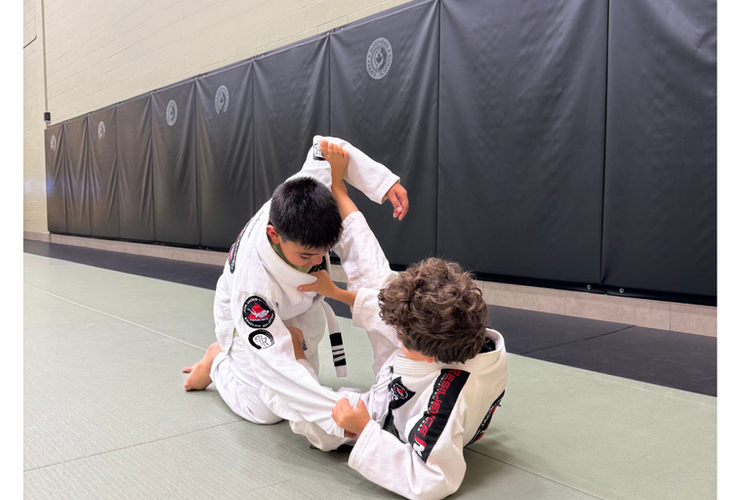
Brazilian Jiu Jitsu (BJJ) has become one of the most popular martial arts for young learners around the world. It is especially effective for teenagers because it combines physical fitness, mental discipline, and practical self-defense skills. In today’s fast-paced and often stressful environment, many parents are looking for structured activities that help their teens grow stronger both physically and mentally. Brazilian Jiu Jitsu for teens offers exactly that balance.
What Makes Brazilian Jiu Jitsu Ideal for Teens?
Teenagers are at a stage in life where they are developing their identity, confidence, and social skills. BJJ helps guide this development in a positive direction. Unlike striking-based martial arts, Brazilian Jiu Jitsu focuses on grappling, control, and technique rather than strength alone. This makes it ideal for teens of all body types.
One of the biggest advantages is that smaller or less physically strong students can still succeed through proper technique. This teaches teens an important life lesson: intelligence and strategy can overcome size and strength.
Physical Benefits of Training
Training in Brazilian Jiu Jitsu provides a full-body workout. Teens who practice regularly experience improved flexibility, endurance, and overall strength. Sessions typically include warm-ups, drilling techniques, and live sparring (rolling), all of which contribute to a healthy and active lifestyle.
Another major benefit is weight management. With increasing screen time and sedentary habits among teenagers, BJJ offers an engaging way to stay active without feeling like a traditional workout. It keeps students moving, thinking, and reacting constantly.
Mental and Emotional Development
Beyond physical fitness, Brazilian Jiu Jitsu plays a major role in mental growth. Teens learn patience, focus, and problem-solving skills through constant practice. Every technique requires attention to detail and timing, which improves concentration both on and off the mat.
Stress relief is another important benefit. School pressure, exams, and social challenges can be overwhelming for teenagers. BJJ provides a safe environment to release tension and build emotional resilience.
Confidence is also significantly improved. As teens progress through belts and master new techniques, they develop a strong sense of achievement. This confidence often carries over into school performance and social interactions.
Self-Defense Skills
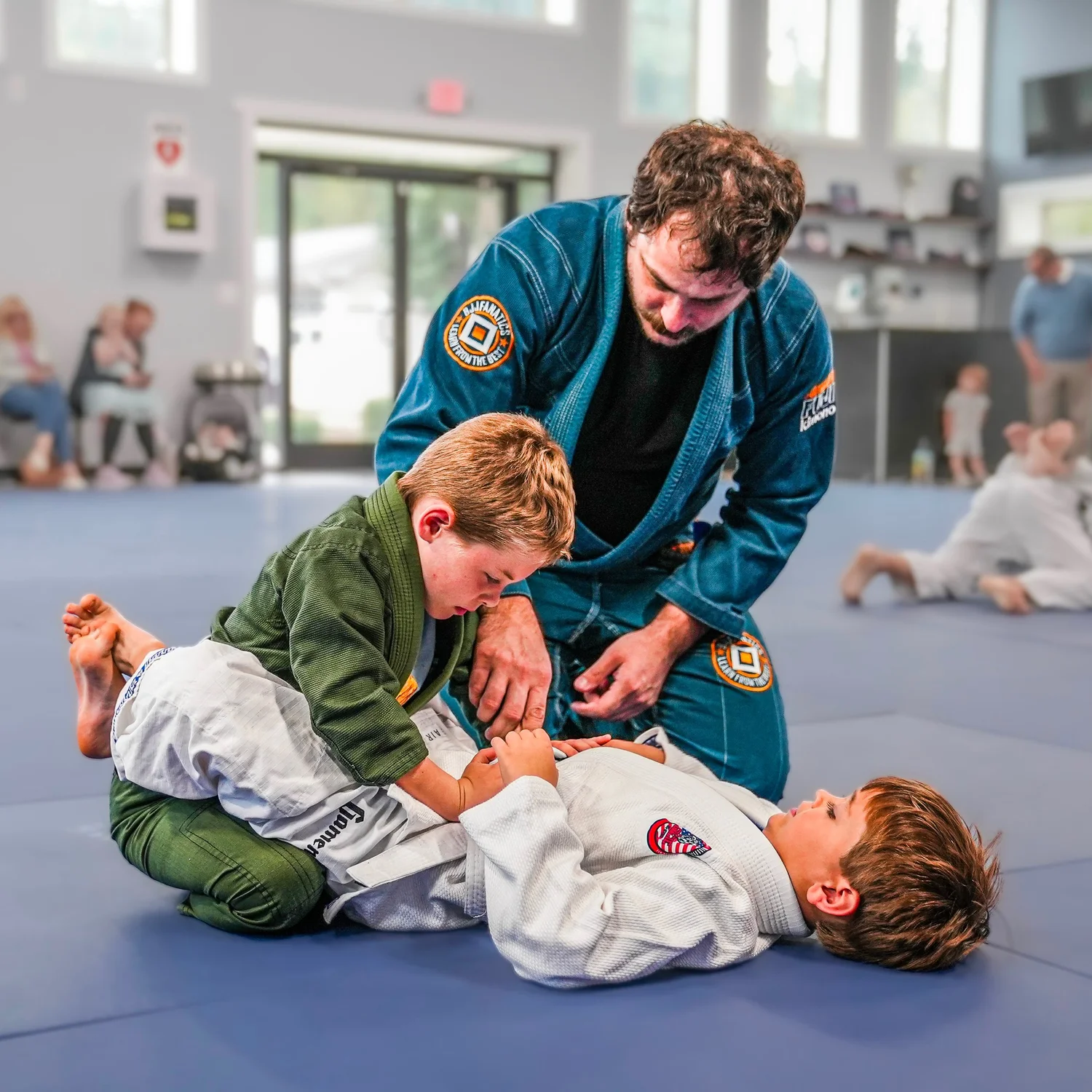
One of the main reasons parents consider enrolling their children in martial arts is self-defense. Brazilian Jiu Jitsu teaches practical self-defense techniques that are effective in real-life situations. Teens learn how to stay calm under pressure, control an opponent without causing unnecessary harm, and escape dangerous positions safely.
This knowledge helps teenagers feel more secure in their daily lives, whether at school, in public, or during extracurricular activities.
Discipline and Respect
Every reputable BJJ academy emphasizes discipline and respect. Students are taught to respect their instructors, training partners, and the training environment. This structured discipline helps teens develop better behavior habits in school and at home.
Consistency in training also builds strong time management skills. Teens learn to balance academics, training, and personal life effectively.
Social Growth and Team Environment
Brazilian Jiu Jitsu is often seen as an individual sport, but training is highly social. Students work closely with partners of different ages and skill levels. This helps teens build friendships, communication skills, and teamwork abilities.
Many families also explore additional martial arts options such as northern karate schools, which offer structured programs that complement grappling-based training. While karate focuses more on striking techniques and traditional forms, combining it with BJJ can give teens a well-rounded martial arts foundation.
Belt Progression and Motivation
One of the most motivating aspects of BJJ is its belt system. Teens start as white belts and gradually progress through blue, purple, brown, and eventually black belt levels. Each stage requires dedication, consistent training, and skill improvement.
This long-term progression teaches perseverance. Teens learn that success does not come overnight—it is earned through effort and commitment over time.
Choosing the Right Training School
Selecting the right academy is important for a positive experience. Parents should look for qualified instructors, a safe training environment, and a supportive culture. A good academy focuses on technique, safety, and personal growth rather than just competition.
Schools that offer structured youth programs ensure that teens receive age-appropriate instruction and supervision. This makes training both safe and enjoyable.
Conclusion
Brazilian Jiu Jitsu is more than just a martial art—it is a complete development system for teenagers. It builds physical strength, mental resilience, discipline, and confidence. Whether a teen is looking for fitness, self-defense, or personal growth, BJJ provides a strong foundation for success in life.
When combined with other training options like programs found in northern karate schools, teens can enjoy a well-rounded martial arts journey that supports both mind and body development.






Post Comment