How Do Cash for Cars Companies Value Wrecked and Scrap Vehicles? An Insider’s Look
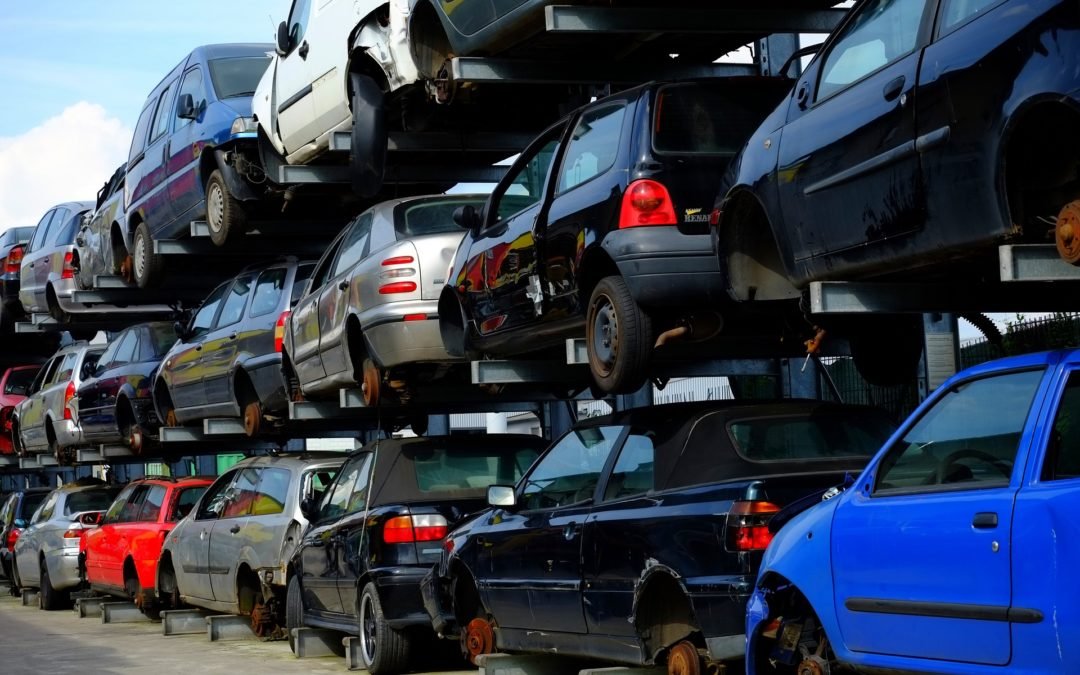
When an old vehicle stops running, gets caught in a major accident, or simply accumulates too much rust to pass inspection, many car owners assume it is completely worthless. Yet, a thriving industry exists around buying these unwanted, damaged, and non-running vehicles. Professional auto recyclers routinely pay cash for vehicles that most private buyers would walk away from.
Understanding how these valuations work removes the mystery from the process. Behind every cash quote lies a systematic assessment balancing raw materials, reusable components, and current market conditions.
1. The Baseline: Scrap Metal Weight and Composition
The absolute foundation of any vehicle valuation starts with its physical mass. Automobiles are massive assemblies of steel, iron, aluminum, and various non-ferrous metals. When a car is genuinely beyond repair and has no reusable components left, it is sent to an automotive shredder or processing yard, where its value is calculated primarily by weight.
-
Gross Weight: Larger vehicles, such as full-sized family sedans, large SUVs, utility vehicles (utes), and vans, naturally yield a higher base scrap value than compact city hatchbacks simply because they contain more tonnage of recyclable steel.
-
Global Commodity Markets: Scrap metal prices are not static. They fluctuate daily based on international supply, manufacturing demand, and industrial output. Professional buyers track these commodity shifts closely, meaning the baseline metal value of a vehicle can rise or fall depending on when you request a quote.
2. Reusable Parts and Salvage Potential
While raw metal provides a safety net floor price, very few vehicles are valued purely as a block of compressed steel. Most cars contain mechanical or structural components that can be salvaged, refurbished, and resold to motorists looking for affordable replacement parts.
When evaluating a vehicle, professional buyers look closely at components that retain functional integrity:
-
Engine and Transmission: Even if a car has a blown head gasket or a slipping transmission, specific internal parts or the entire assembly can often be rebuilt or harvested.
-
High-Value Catalytic Converters: Modern exhaust systems contain precious metals like platinum, palladium, and rhodium. The catalytic converter is frequently one of the single most valuable items on a scrap vehicle.
-
Electronics and Body Panels: Unscathed doors, mirrors, headlights, alternators, starters, and dashboard modules command strong demand if they belong to popular makes and models.
If a vehicle features high-demand components that are still intact, its valuation will routinely exceed baseline scrap metal rates.
3. Make, Model, and Market Demand
Not all cars depreciate at the same rate or hold equal value in the secondary parts market. Mass-produced vehicles that have populated roads for decades—such as certain Toyota, Ford, or Mazda models—enjoy continuous demand for replacement parts.
Because mechanics and private owners constantly look for affordable spares for these common vehicles, auto wreckers can easily recoup their purchase costs by dismantling them. Conversely, rare imports, discontinued luxury brands, or vehicles with very low market saturation may have lower parts demand, meaning their valuation relies more heavily on their raw weight and metal content.
4. Overall Condition and Extent of Damage
The physical state of the vehicle shapes how a buyer intends to process it. Evaluators typically ask a series of diagnostic questions to understand what they are dealing with:
-
Is it running? A vehicle that drives—even poorly—is easier to load and transport, though non-running cars are still fully accepted.
-
What caused the damage? Flood damage, severe structural collision impact, or intensive fire damage can compromise interior wiring, electronics, and structural metals, lowering the vehicle’s overall salvage score.
-
Are parts missing? A complete vehicle yields higher returns. If major components like the engine, wheels, or transmission have already been stripped away, the remaining shell drops significantly in value.
Transparency during this stage is vital. Providing accurate details ensures that the initial quote matches the final cash payout handed over during collection.
5. Logistics, Location, and Transport Costs
The physical location of the vehicle and the logistics required to retrieve it also influence the economics of the transaction. Transporting a heavy, immobilized vehicle requires specialised tow trucks, winches, and labor.
Proximity to recycling plants, major transport routes, and urban collection hubs generally allows operators to streamline towing overhead. Most professional services factor complimentary towing directly into their operations, ensuring that the quoted price is what you receive without hidden transport deductions. For those navigating local vehicle disposal, connecting with reliable local specialists—such as people seeking options like cash for unwanted cars adelaide—ensures streamlined pickups without unexpected logistical fees.
Frequently Asked Questions (FAQs)
Can I sell a car that has been completely written off in an accident?
Yes. Accident-damaged, structurally bent, or insurance write-off vehicles are primary targets for auto recyclers. Even if the chassis is entirely compromised, the vehicle retains value through its undamaged panels, engine components, catalytic converter, and scrap metal content.
Do I need to have the original registration papers to sell my scrap car?
Regulations vary slightly by state and territory, but you will generally need to prove lawful ownership before a licensed buyer can purchase your vehicle. This typically requires a photo ID, proof of purchase or registration papers, and completing a notice of disposal to legally release your liability.
Is it better to strip the car and sell parts individually to make more money?
While parting out a car yourself might sound lucrative, it requires automotive tools, mechanical knowledge, safe fluid disposal practices, and weeks or months of dealing with online buyers. For most people, selling the vehicle as a complete unit to a professional removal service saves time, eliminates safety risks, and provides instant cash on the spot.
What happens to the car’s fluids and hazardous materials after pickup?
Licensed recycling facilities follow strict environmental compliance frameworks. Once a vehicle arrives at the yard, operators safely drain and recycle or dispose of hazardous fluids, including engine oil, transmission fluid, coolant, brake fluid, and refrigerants, preventing environmental contamination before the metal is crushed and shredded.






Post Comment