Toronto Rental Suites: A Practical Guide for Finding the Right Place
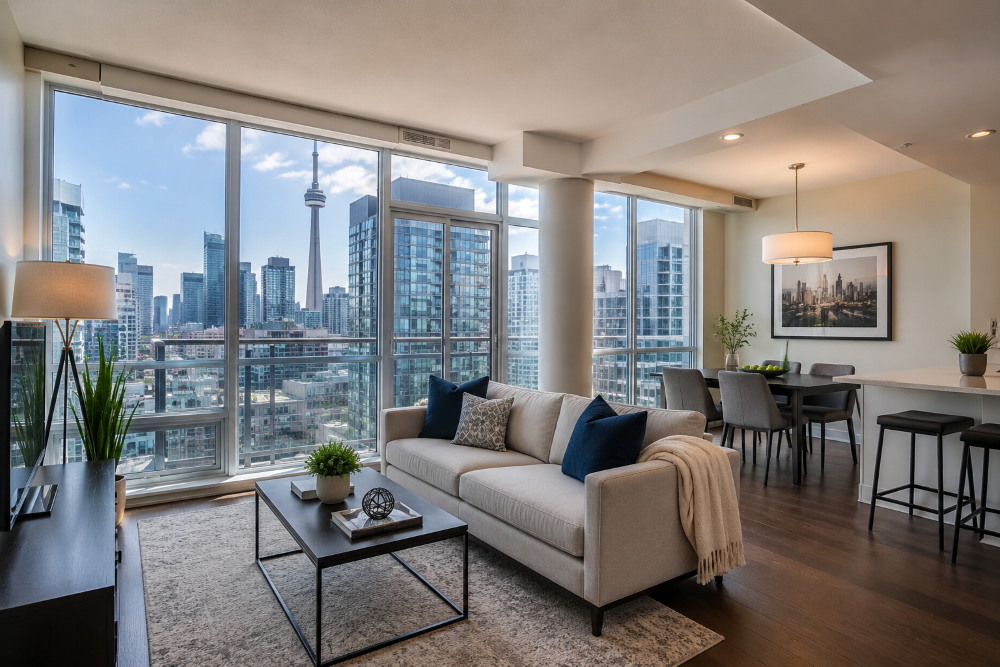
Finding a place to live in Toronto can feel exciting at first. You start looking at different buildings, compare locations, check prices, and imagine what daily life might look like in each neighbourhood.
Then the search gets complicated.
One property may have a great location but limited space. Another may have better amenities but a longer commute. Some rentals come furnished, while others require you to bring everything yourself.
That is why knowing what you need before starting your search can save time and make the process easier.
If you are looking for Toronto rental suites, it helps to understand the different options available and the things worth checking before making a decision.
What Makes a Rental Suite Different?
A rental suite is more than just four walls and a place to sleep.
It can become your home, work area, relaxing space, and base for exploring Toronto. The right suite should fit your daily routine rather than simply look attractive in photos.
Think about your usual week.
Do you work near downtown? Do you use public transit? Do you need parking? Do you enjoy cooking? Do you work remotely?
Your answers can help narrow down the type of suite that makes sense.
Which Toronto Location Works for You?
Location can have a major effect on your rental experience.
Toronto has many neighbourhoods, and each one has its own character. Some renters want quick access to offices and entertainment. Others prefer quieter streets with parks, restaurants, and local shops nearby.
Before choosing an area, check:
- Distance to work or school
- Public transit access
- Grocery stores
- Restaurants and cafés
- Parks and green spaces
- Hospitals and universities
- Parking availability
- Nearby shopping
A central location can make daily travel easier, but the right area depends on your routine.
Should You Rent a Furnished Suite?
Furnished rentals can be useful for people who need a ready-to-live-in home.
You may be moving for work, studying in Toronto, relocating temporarily, or staying in the city while looking for a permanent home.
A furnished suite can reduce the need to purchase furniture, kitchen items, and other household essentials.
An unfurnished rental can make more sense if you plan to stay for a longer period and already own furniture.
Furnished vs. Unfurnished Rentals
| Feature | Furnished Suite | Unfurnished Suite |
|---|---|---|
| Furniture | Usually included | Usually not included |
| Move-in setup | Easier | Requires more preparation |
| Short stays | Often suitable | May be less convenient |
| Personal furniture | Limited need | More flexibility |
| Initial setup | Lower effort | More work |
Neither option works for everyone. Your expected stay and lifestyle should guide the decision.
How Much Space Do You Actually Need?
More space sounds appealing, but extra rooms can also mean higher rental costs and more cleaning.
A one-bedroom suite may work well for a single renter or couple. Someone with children, roommates, or a home office may need additional bedrooms.
Think about how you will use every room.
If you work remotely, a quiet workspace may be more useful than a large living room. If you rarely cook, a huge kitchen may not be important.
Choose space based on real needs rather than simply choosing the largest available option.
What Amenities Should You Check?
Amenities can make everyday life easier.
Depending on the building, you may find features such as:
- Fitness facilities
- Rooftop terraces
- Concierge services
- Parking
- Laundry facilities
- Security systems
- Common lounges
- Outdoor spaces
Do not judge amenities only by how impressive they look.
Ask yourself if you will actually use them.
A rooftop terrace may sound great, but parking could matter more if you drive every day.
How Long Do You Plan to Stay?
Your rental period can influence which property makes sense.
Some renters need a temporary home for a few months. Others are looking for a longer-term residence.
A short stay may make a furnished suite more practical because you can arrive with fewer belongings.
Longer stays may give you more flexibility when choosing furniture, layout, and personal decor.
Think about your expected timeline before starting your search.
What Should You Check Before Renting?
Photos can help you create an initial shortlist, but they should not be the only thing you use.
Before committing, check the important details.
Look at:
- Monthly rental cost
- Lease duration
- Included utilities
- Parking arrangements
- Laundry access
- Building amenities
- Move-in requirements
- Furnishings
- Maintenance arrangements
- Building rules
Ask questions whenever something is unclear.
It is much easier to clarify rental details before signing an agreement than after moving in.
How Can You Make a Rental Suite Feel Like Home?
A rental does not need major renovations to feel personal.
Small changes can make a big difference.
You can add:
- Soft lighting
- Cushions and throws
- Artwork
- Indoor plants
- Rugs
- Storage baskets
- Decorative accessories
If you enjoy Turner Home Decor, focus on removable pieces that can change the atmosphere without making permanent alterations.
Keep the style practical as well as attractive. A beautiful room still needs enough storage and comfortable furniture for everyday life.
What Should You Ask During a Viewing?
A viewing is your chance to look beyond the listing photos.
Check the natural light, storage, noise levels, room sizes, windows, kitchen condition, and bathroom fixtures.
Also ask about practical details.
For example:
- How does maintenance work?
- What utilities are included?
- Is parking available?
- Are pets allowed?
- How is package delivery handled?
- Are there building restrictions?
- What happens if something needs repair?
These questions can help you understand what living in the property may actually be like.
How Can You Make the Rental Search Easier?
Start with a simple checklist.
Write down your preferred neighbourhoods, budget range, bedroom requirement, rental duration, parking needs, and must-have amenities.
Then compare properties using the same criteria.
This prevents attractive photos or a single impressive feature from making the decision for you.
A practical shortlist should balance location, space, comfort, rental terms, and your daily routine.
Final Thoughts
Finding the right rental suite in Toronto takes more than checking photos and prices.
Location, space, furnishings, amenities, rental length, and everyday convenience all matter. The best match is one that fits the way you actually live.
Create your checklist first, ask clear questions, and compare your options carefully. With a little planning, the search for a Toronto rental suite can become much more manageable.






Post Comment