Trading Account Basics Every New Investor Should Understand Right Now
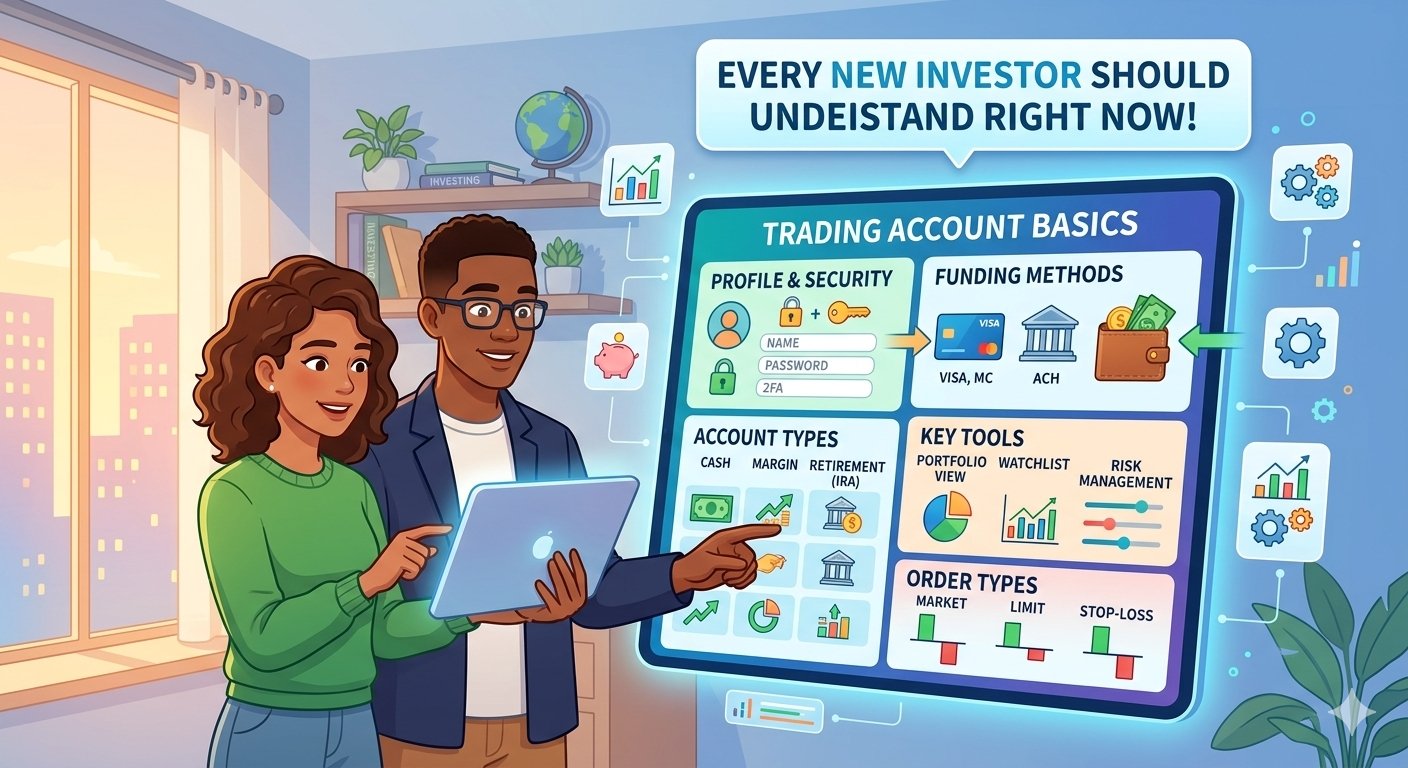
So, you’ve finally decided to step into the exhilarating world of investing. Congratulations! You’re about to embark on a journey that could potentially lead you to financial freedom. But before you start plotting your millions, you’ll need to familiarize yourself with some essential concepts primarily, the trading account. In this article, we’ll break down everything you need to know about trading accounts in a way that’s easy to understand.
What is a Trading Account?
Let’s start with the basics. A trading account is like a fancy digital wallet that enables you to buy and sell stocks, bonds, mutual funds, and other financial instruments. Think of it as your personal portal into the world of trading. Much like how you need a bank account to handle money, you need a trading account to handle your investments.
Why You Need a Trading Account
Now, you might be wondering, “Why do I need this trading account?” Well, it’s a matter of access. Without it, you won’t be able to trade financial assets. In this modern age, almost all trading occurs online, and a trading account facilitates that. It allows you to place buy/sell orders, track your investments, and monitor market trends all from the comfort of your couch (or your favorite café!).
Types of Trading Accounts
You’re probably thinking, “Okay, but there are so many types!” And you’re right! Here’s a simple breakdown:
- Cash Account: This is the most basic account. You pay upfront for your trades and won’t be borrowing any money to trade.
- Margin Account: If you’re feeling a bit risky and want to leverage your trades, this account allows you to borrow money from your broker to vibe higher returns. But tread carefully and risk can also mean losses.
- Retirement Account: If you’re investing for the long haul (and you should be), consider a retirement account like a 401(k) or IRA. It comes with tax advantages but has strict rules about withdrawals.
Steps to Open a Trading Account
Ready to dive in? Opening a trading account is usually a straightforward process. Here’s how you can get started:
- Choose a Broker: This is your partner in crime for investing. Look for a broker that’s reputable and offers an intuitive platform. Read reviews, and pick one that resonates with your investment style.
- Fill out the Application: You’ll typically find an online form to fill out. Be prepared to share some basic information like your name, address, Social Security number, and investment experience. Don’t sweat it; it’s standard procedure!
- Verification: Your broker will verify your identity. You may need to submit identification documents.
- Deposit Funds: You’ll need to add funds to your account to start trading. Some brokers require a minimum deposit, so keep that in mind before taking the plunge.
- Start Trading: Once everything’s set up, you’re ready to navigate the financial markets!
If you take a careful and informed approach, you can enjoy the thrill of trading safely.
The Advantages of Online Trading Accounts
These days, most trading accounts are online, and for good reason! Here are some cool advantages:
- Convenience: Trade from anywhere at any time. No more rushing to the bank or a brick-and-mortar broker; everything is right at your fingertips.
- Lower Fees: Online brokers tend to have lower fees compared to traditional brokers. Say goodbye to hefty commissions and hello to more funds for your investments!
- Real-Time Updates: You can get live market data and updates, allowing you to make informed decisions instantly.
Opening a Free Demat Account
Before you run off to open a trading account, you might want to add a demat account into the mix. Now, you might be asking, “What’s a demat account?” Simply put, a demat account holds your securities in an electronic format. Here’s why you should definitely open a free demat account:
Security of Your Investments
Imagine keeping your hard-earned cash under your mattress. Not smart, right? Similarly, keeping your investments in paper format is risky. A demat account ensures the safety of your stocks, bonds, and other securities in digital form.
Hassle-Free Transactions
You won’t have to worry about physical documents getting lost or damaged. It simplifies everything you buy or sell stocks, and they are automatically reflected in your demat account. Easy peasy!
Cost-Effective
Many financial institutions offer free demat accounts, making them accessible, especially for new investors. When you open a free demat account, you save money which you can use for trading instead.
The Importance of Research
Just jumping headfirst into the stock market can lead to trouble. Understand the significance of doing your homework. Research the companies you’re investing in. Look for trends, financial data, and news. Knowing what you’re engaging with will empower you to make educated decisions.
Risk Management and Diversification
Let’s talk about the ‘R’ word: risk. Every investment comes with risk. Therefore, understanding how to manage it is crucial. Start by diversifying your portfolio. Instead of putting all your eggs in one basket (or stock), spread your investments across various assets.
This will help you balance potential losses with gains. Think of diversification as a safety net. As you become familiar with navigating your trading account, you’ll discover what works best for you.
Know Your Triggers
Before you press the ‘buy’ or ‘sell’ button, consider your emotional triggers. Are you prone to panic selling during market dips? Or are you overly optimistic during a bull market? Being aware of your psychological patterns can save you from making rash decisions.
Conclusion
Navigating the investing world can seem overwhelming, but understanding the essentials of your trading account will set you on the right path. Remember, as a new investor, take your time! Open a trading account, potentially a free demat account, and equip yourself with knowledge.
Investing is not just about making money; it’s about creating a stable financial future for yourself. So, buckle up, do your research, manage your risks, and enjoy the ride! Happy investing!






Post Comment