How Researchers Can Improve Their Papers Before Re-Submission
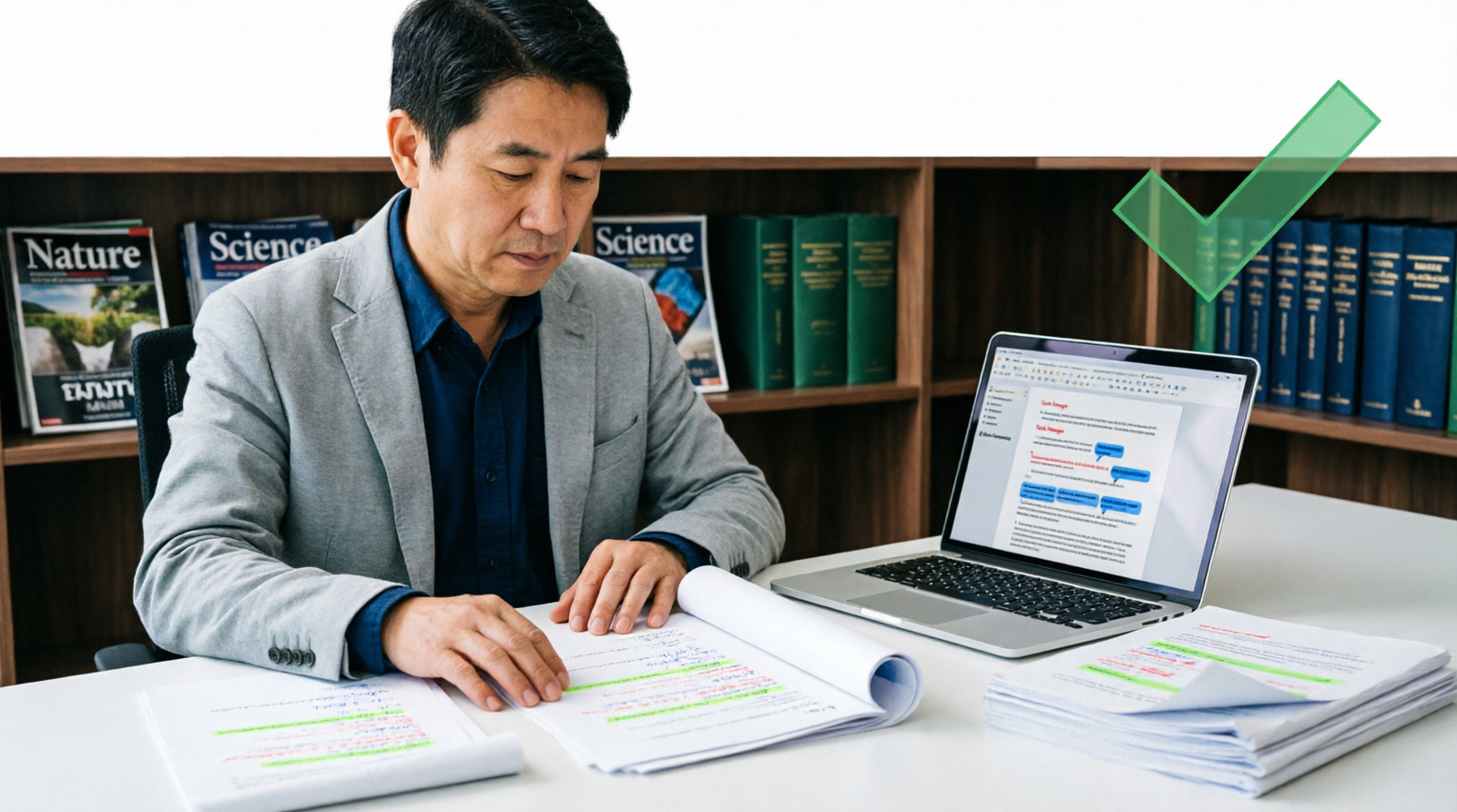
Rejection stings. You pour months or years into your research, craft what feels like a solid manuscript, and then an editor or reviewer sends it back with tough feedback. Many researchers see this as failure. In reality, revise and resubmit your article often signals real potential. Journals invest time in promising work when they offer this option.
You now hold a second chance to strengthen your paper and boost its odds of acceptance. Smart preparation separates papers that sail through resubmission from those that face another rejection. This guide walks you through practical, proven steps to refine your work before you hit submit again.
Understand What Revise and Resubmit Really Means
Editors rarely hand out acceptances on first submission. Revise and resubmit your article sits in a positive category. It means reviewers spotted value but identified gaps, unclear sections, or areas needing more rigor.
Take a breath after you receive comments. Many researchers feel defensive at first. Set the feedback aside for a few days. Return to it with fresh eyes. You will often discover the suggestions make more sense than they did initially.
Logic here is simple: Reviewers act as proxies for your future readers. Addressing their concerns improves not just acceptance chances but the actual impact of your published work.
Step 1: Carefully Analyze Reviewer and Editor Feedback
Start by creating a master response document. List every comment point by point. Categorize them as major issues (methods, analysis, conclusions) or minor ones (clarity, citations, formatting).
Group overlapping comments. If two reviewers flag the same weakness in your literature review, you know it deserves priority attention. This systematic approach prevents you from missing important points while avoiding scattered, inefficient revisions.
Humor helps here. Think of reviewers as tough but well-meaning gym trainers. They push you because they see your potential, even if their delivery sometimes feels like a boot camp.
Step 2: Strengthen Core Scientific Elements
Revisit your research objectives and make sure every section aligns with them. Does your introduction clearly state the gap your work fills? Does the discussion interpret results in context without overclaiming?
Strengthen your literature review with recent, relevant sources. Check that your methods section provides enough detail for replication. Examine your data analysis for robustness. Small logical gaps often become obvious once you step back.
Pro tip: Read your results and discussion sections aloud. If something sounds awkward or forced, rewrite it. Clear writing reflects clear thinking.
Step 3: Use Pre Submission Peer Review for Objective Insights
One of the smartest moves involves getting fresh eyes on your manuscript before resubmission. Pre Submission Peer Review delivers constructive feedback from subject experts who simulate journal reviewer perspectives.
Unlike formal journal review, this process lets you address issues privately with multiple revision rounds if needed. Experts catch methodological flaws, suggest better framing, and flag journal compliance problems that cause desk rejections.
Many researchers who use this service report higher confidence and faster publication timelines. It reduces the emotional rollercoaster of multiple revision cycles at the journal level.
Step 4: Polish Language, Structure, and Presentation
Even groundbreaking research suffers if poorly presented. Focus on these areas:
- Clarity and flow: Use short paragraphs and logical transitions. Avoid jargon where simpler terms work.
- Grammar and style: Eliminate passive voice where active sounds stronger. Cut unnecessary words.
- Visuals: Ensure figures and tables are clear, properly labeled, and support your narrative.
- Formatting: Follow the target journal’s guidelines exactly. Many rejections stem from non-compliance.
Professional editing helps here, but you should always maintain your voice and scientific integrity.
Step 5: Consider Research Paper Publication Services
When time is tight or you need specialized support, research paper publication services offer valuable assistance. Reputable providers help with journal selection, formatting, plagiarism checks, and manuscript refinement while you retain full control over content.
Choose services carefully. Look for transparent processes, subject-area expertise, and clear ethical guidelines. They work best as partners that amplify your efforts rather than replace them.
A word of caution with humor: These services are not magic wands. No one can turn weak science into Nobel material overnight. They excel at polishing strong work and navigating the bureaucratic side of publishing.
Step 6: Prepare a Strong Response Letter
Your resubmission package needs more than just the revised manuscript. Craft a detailed response letter that addresses every reviewer comment. Quote the original concern, explain your changes, and note page or line references where possible.
This letter demonstrates professionalism and respect for the review process. Editors appreciate authors who engage thoughtfully with feedback.
Common Pitfalls to Avoid
- Ignoring minor comments. Small issues can signal carelessness.
- Over-revising and losing your original argument.
- Rushing the process. Quality still matters more than speed.
- Submitting to the wrong journal again. Re-evaluate fit based on feedback.
Why This Preparation Matters for Your Career
High-quality publications open doors. They strengthen grant applications, tenure cases, and collaborations. Investing time in proper revision shows commitment to excellence.
Researchers who treat revise and resubmit seriously often produce their best work on the second or third iteration. The process itself builds resilience and sharper critical thinking skills.
Conclusion
Improving your paper before re-submission combines logic, humility, and systematic effort. Embrace feedback, strengthen weak areas, polish presentation, and consider tools like Pre Submission Peer Review or trusted research paper publication services when appropriate.
Your revised manuscript will not only have better chances at the journal but will genuinely contribute more to your field. That outcome makes the extra work worthwhile.
Ready to give your paper the best shot? Start with that feedback document today. The path from revise and resubmit your article to accepted is clearer than it first appears. Many successful researchers have walked it before you.






Post Comment