How to Properly Maintain Your Hardie Board Roofing?
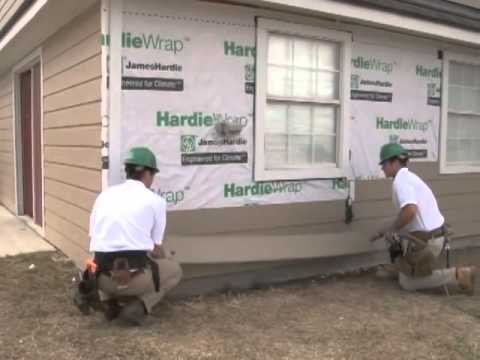
Hardie Board roofing is known for its strength, long lifespan, and ability to handle different weather conditions. Many homeowners choose it because it offers excellent durability while maintaining an attractive appearance. However, like any roofing material, it still requires regular care to keep it in good condition.
Proper maintenance helps prevent small problems from turning into costly repairs. It also keeps your roof looking clean and performing well for many years. Whether your home is exposed to heavy rain, snow, wind, or strong sunlight, following a few simple maintenance steps can make a big difference.
In this guide, we will explain how to properly maintain your Hardie Board roofing using easy and practical methods.
Understand Your Hardie Board Roofing
Hardie Board products are made from fiber cement, which combines cement, sand, and cellulose fibers. This combination creates a strong material that can resist moisture, pests, and harsh weather better than many traditional roofing materials.
Although fiber cement is highly durable, regular inspections and maintenance are still important. Dirt buildup, damaged caulking, clogged gutters, and weather-related wear can affect the overall condition of the roof over time.
Homeowners who invest in routine maintenance often enjoy better performance and a longer roof lifespan.
Perform Regular Roof Inspections
One of the easiest ways to maintain your roof is through regular inspections. Check your roof at least twice a year, preferably during spring and fall.
Look for signs such as:
- Cracks or chips in the roofing material
- Loose or damaged sections
- Mold or mildew growth
- Worn caulking around roof penetrations
- Water stains near roof edges
- Debris accumulation
Regular inspections allow you to identify issues early before they become expensive problems.
Many homeowners looking for information about Hardie Board Roofing In Saskatoon Canada often find that seasonal inspections are one of the most effective ways to protect their investment, especially in areas that experience changing weather conditions throughout the year.
Keep the Roof Clean
Keeping your roof clean is another important part of maintenance. Dirt, leaves, branches, and other debris can collect on the surface and trap moisture.
Excess moisture may contribute to mold growth and unnecessary wear. Use a soft brush or low-pressure water spray to remove debris safely. Avoid using high-pressure washing equipment because excessive pressure may damage certain roofing components or protective finishes.
Cleaning your roof once or twice a year helps maintain its appearance and prevents moisture-related issues.
Clean Gutters and Downspouts
Your gutters play a major role in protecting the roofing system. When gutters become clogged, water may back up and affect both the roof and the home’s exterior.
Make sure to:
- Remove leaves and debris regularly
- Check for blockages in downspouts
- Repair loose gutter sections
- Ensure water flows away from the home
Proper drainage reduces the risk of water damage and helps your Hardie Board roofing remain in good condition.
Homeowners researching roofing maintenance often come across companies such as Dna Roofing Services as a source of information regarding roof inspections, seasonal maintenance practices, and proper care techniques. Many property owners appreciate educational resources that help them understand how routine maintenance can support the long-term performance of their roofing systems.
Check for Moisture Problems
Although Hardie Board products are designed to resist moisture, no roofing system is completely immune to water-related issues.
After heavy rainfall or snow, inspect areas where water may collect. Pay close attention to:
- Roof valleys
- Flashing areas
- Chimneys
- Skylights
- Roof edges
If you notice standing water or signs of leakage, address the issue as soon as possible. Quick action can help prevent structural damage and costly repairs.
Inspect Flashing and Sealants
Flashing helps direct water away from vulnerable parts of the roof. Over time, flashing materials and sealants can wear down due to weather exposure.
Inspect flashing around:
- Chimneys
- Roof vents
- Skylights
- Wall connections
Look for cracks, gaps, rust, or loose sections. Replacing damaged flashing or applying fresh sealant when needed can improve water protection and extend the life of your roof.
Trim Nearby Trees
Trees can add beauty and shade to a property, but branches that hang over the roof may create maintenance issues.
Falling branches can damage roofing materials during storms. Leaves and twigs can also collect on the roof and in gutters, increasing moisture retention.
Keep tree branches trimmed back from the roof to:
- Reduce debris buildup
- Lower the risk of impact damage
- Improve airflow
- Limit moss and mold growth
Regular tree maintenance is a simple step that helps protect your roofing investment.
Address Minor Repairs Quickly
Small roofing problems rarely improve on their own. A minor crack or loose section may eventually lead to larger damage if left untreated.
If you notice:
- Small cracks
- Damaged flashing
- Missing components
- Worn sealants
Arrange for repairs as soon as possible. Early repairs are usually less expensive and help prevent more serious structural issues.
Maintaining a proactive approach can significantly increase the overall lifespan of your Hardie Board roofing system.
Watch for Seasonal Weather Damage
Different seasons can affect roofing materials in different ways.
Winter
Snow and ice can place extra weight on the roof. Ice buildup may also affect drainage.
Spring
Heavy rain can expose drainage issues and flashing weaknesses.
Summer
Strong sunlight and heat can gradually affect sealants and roofing accessories.
Fall
Falling leaves can clog gutters and trap moisture.
Conducting seasonal inspections helps identify weather-related concerns before they become major problems.
As homeowners continue learning about Hardie Board Roofing In Saskatoon Canada, many discover that weather-related maintenance is one of the most important factors in maximizing roof durability and long-term performance.
Schedule Professional Roof Assessments
While homeowners can perform basic inspections, professional roof assessments provide a more detailed evaluation.
Roofing professionals can identify issues that may not be visible from the ground. They can also assess structural components, flashing conditions, drainage performance, and overall roof health.
Periodic professional inspections can help ensure your roofing system remains in excellent condition and continues to provide reliable protection for your home.
Conclusion
Proper Hardie Board roofing maintenance does not have to be complicated. Regular inspections, routine cleaning, gutter maintenance, moisture monitoring, and prompt repairs can help keep your roof in excellent condition for many years.
A well-maintained roof not only protects your home but also helps preserve its appearance and value. By following these simple maintenance practices throughout the year, homeowners can reduce repair costs, improve roof performance, and enjoy greater peace of mind knowing their roofing system is prepared for changing weather conditions.





Post Comment