How to Evaluate an APS5000 APU Overhauled for Sale: Reading TSN and Remaining Cycle Life Before You Buy
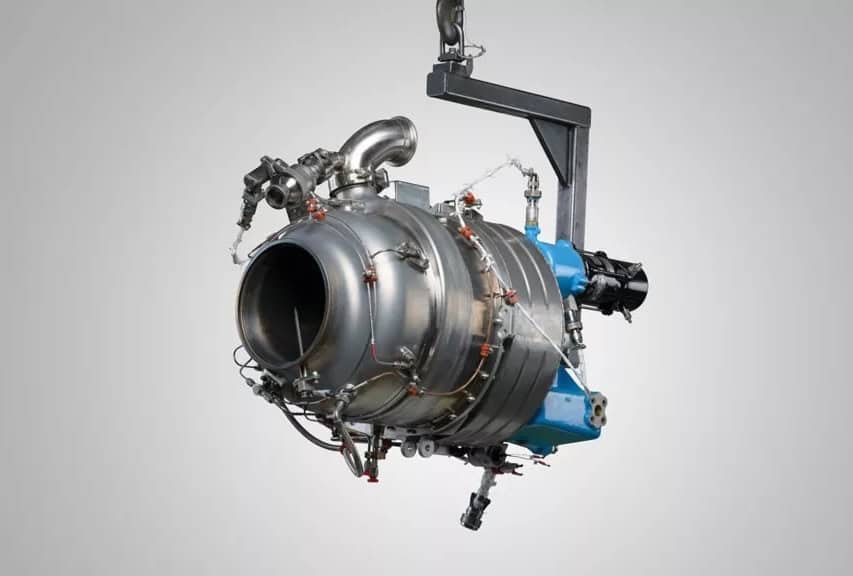
Sourcing an overhauled auxiliary power unit for the Boeing 787 Dreamliner is one of the higher-value decisions an operator or lessor will make, and no two units on the market carry the same lifecycle history. The difference between a strong acquisition and an expensive mistake rarely shows up in the headline price. It shows up in the trace documentation, the utilization figures, and the remaining life on the unit’s limiting components. When you review an APS5000 Auxiliary Power Unit for sale, learning how to read those numbers before you commit protects both your capital and your dispatch reliability.
Start With What Overhauled Actually Means
Condition language matters. An overhauled unit has been restored to defined performance and dimensional limits at an approved facility, with a fresh maintenance release. That differs from a serviceable unit, which meets airworthiness requirements but has not been through the same depth of shop work. When you evaluate an APS5000 APU overhauled for sale, confirm the overhaul scope, the shop that performed it, and the date of the last shop visit. Warranty terms typically tie to that last shop visit and to the work actually performed, so read the invoice conditions carefully rather than assuming blanket coverage across the whole unit.
Reading TSN and CSN: The Utilization Story
Time Since New, or TSN, and Cycles Since New, or CSN, tell you how hard the asset has worked across its whole life. For an APU, cycles often matter more than hours, because each start and stop event drives thermal and mechanical stress on the core. A unit with modest TSN but very high CSN has led a short-sector, high-cycle life that consumes hot-section and rotating-component life faster than the hours alone suggest.
When comparing two overhauled units, do not stop at TSN and CSN. Ask for Time Since Overhaul and Cycles Since Overhaul as well. Those figures tell you how much of the fresh shop visit remains before the next major event.
Remaining Cycle Life and Limiter Status
The most important number in the whole evaluation is often the one buyers skip, which is remaining life on the limiting component. Life-limited parts inside the unit carry hard cyclic limits, and the part closest to its ceiling, known as the limiter, sets the practical usable life of the entire asset. A unit with excellent cosmetic condition but a limiter nearing its threshold is a short-term asset dressed up as a long-term one.
Before you buy, require the current life-limited part status sheet with each part’s consumed and remaining cycles clearly stated. Map the limiter’s remaining life against your intended use. A unit destined for a high-utilization mainline 787 needs far more remaining cycles than one intended as a standby asset.
The Documentation That Must Come With the Unit
An overhauled unit is only as good as its paper trail. Before technical acceptance, insist on the full package. That means an FAA or EASA Form 8130-3, a complete ATA 106 ownership and trace history back to the last operator or original equipment source, a non-incident statement, current Airworthiness Directive compliance status, and the life-limited part status report. Gaps in trace or missing compliance records can strand an otherwise airworthy unit on the ground while you chase paperwork. Any APS5000 Auxiliary Power Unit for Sale without complete records is a liability regardless of its lifecycle numbers.
Match the Asset to the Decision, Not Just the Spec
Two identical listings can behave completely differently over the next five years of service. The utilization history, the remaining limiter life, and the completeness of the trace file separate a confident purchase from a gamble. Working with a direct owner rather than a broker gives you unfiltered access to those records and the ability to verify limiter values before money changes hands.
Treat any APS5000 APU overhauled for sale as a set of numbers first. Verify the overhaul scope, read TSN and CSN against each other, confirm the limiter’s remaining cycles fit your mission, and require the complete documentation package before acceptance. Doing that work up front turns a purchase into a sound investment rather than a ground event waiting to happen, and it gives your engineering and finance teams a defensible basis for the decision.


Post Comment