How Seasonal Demand Can Influence Vehicle Selling Opportunities
Selling a vehicle can be influenced by more than its age, condition, mileage, and overall market value. The time of year can also affect buyer interest, the types of vehicles people are searching for, and how quickly sellers may receive enquiries. Understanding seasonal demand can help vehicle owners choose a suitable time to sell and prepare their vehicles according to changing market conditions.
Understanding Seasonal Vehicle Demand
Vehicle demand can change throughout the year as people adjust their spending habits, travel plans, employment situations, and transportation needs. Certain periods may bring increased interest in particular types of vehicles, while other periods can see buyers become more cautious about spending.
For sellers, understanding these patterns can provide useful insight into when their vehicle may attract more attention. Seasonal demand does not guarantee a higher selling price, but it can influence the number of potential buyers actively looking for vehicles.
Summer Can Increase Interest in Certain Vehicles
Warmer months often encourage people to travel, take road trips, attend outdoor events, and spend more time driving. As a result, practical and reliable vehicles can receive increased attention during this period.
Families may look for larger vehicles with additional passenger space, while individuals planning long journeys may focus on fuel efficiency, reliability, and comfort. Older vehicles can also attract buyers who are looking for affordable transportation before holiday travel begins.
Owners planning to sell during this period can benefit from preparing their vehicle carefully. Cleaning the interior, washing the exterior, checking basic maintenance items, and gathering important documents can make the selling process easier.
Winter Can Change What Buyers Look For
Cold weather can influence vehicle preferences in different ways. Buyers may place greater importance on vehicles that offer dependable performance, good heating systems, suitable tyres, and practical handling in difficult weather conditions.
However, winter does not necessarily mean there are fewer opportunities to sell. People still need transportation, and some vehicle owners may need to sell because of relocation, financial changes, a new vehicle purchase, or maintenance concerns.
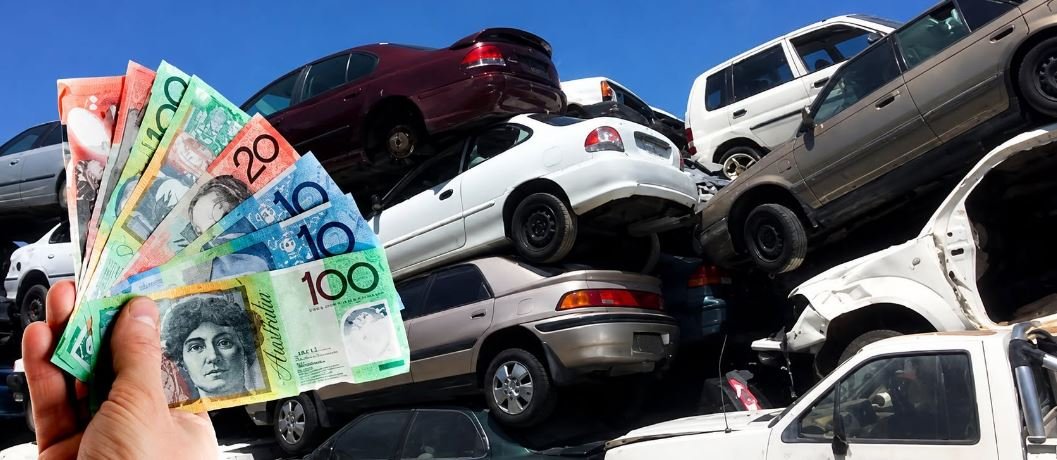
For owners with older or unwanted vehicles, seasonal changes can also encourage them to explore alternative selling options. Services that purchase damaged, unwanted, or end of life vehicles may provide an option when a traditional private sale is less suitable. For example, people researching cash for junk cars Sydney may be looking for a straightforward way to dispose of a vehicle without spending heavily on repairs before selling it.
Spring Can Bring New Buying Activity
Spring is often associated with fresh starts, and vehicle buying activity can also change during this period. Some people begin reviewing their transportation needs after winter, while others start preparing for upcoming travel.
This can create opportunities for sellers who have been waiting to put their vehicles on the market. A vehicle that has been properly maintained and presented with clear information may attract more attention when buyers become more active.
Spring can also be a useful time to assess whether repairing an older vehicle is financially sensible. If expected repair costs are high compared with the vehicle’s market value, selling it in its current condition may be worth considering.
Autumn Can Encourage Practical Vehicle Decisions
Autumn often brings changes in household routines. Families may return to regular work and school schedules, while drivers begin preparing their vehicles for colder conditions.
This period can encourage practical buying decisions. Buyers may focus less on appearance and more on reliability, running costs, safety, and everyday usability. Sellers can respond by providing accurate information about service history, fuel consumption, mileage, tyres, and known mechanical issues.
Being transparent can help build trust with potential buyers. Clear photographs and an honest description can also reduce unnecessary questions and make the selling process more efficient.
Seasonal Demand Is Not the Only Factor
Although seasonal trends can influence vehicle selling opportunities, they should not be considered in isolation. The condition of the vehicle, its make and model, mileage, service history, location, and current market demand can all affect its selling prospects.
Economic conditions can also influence how much buyers are willing to spend. When household budgets are under pressure, buyers may become more interested in affordable used vehicles. During stronger spending periods, demand for newer or higher specification vehicles may increase.
Local market conditions are equally important. Demand for a particular vehicle can vary between cities and regions depending on transportation needs, commuting patterns, climate, and available alternatives.
Preparing Your Vehicle Before Selling
Regardless of the season, preparation can improve the overall selling experience. Start by collecting documents such as registration information, service records, and ownership paperwork where applicable.
A thorough cleaning can improve the vehicle’s presentation. Remove personal belongings, clean the interior, wash the exterior, and address simple issues that can be fixed without significant expense.
It is also useful to establish a realistic expectation about the vehicle’s value. Research comparable vehicles and consider their age, mileage, condition, and specifications. If the vehicle requires major repairs, calculate whether spending money on those repairs is likely to provide a meaningful return.
Choosing the Right Selling Method
Different vehicles can suit different selling methods. A newer vehicle in good condition may attract private buyers, dealerships, or online marketplaces. An older, damaged, non running, or unwanted vehicle may have a different buyer audience.
When deciding how to sell, consider the amount of time available, expected advertising effort, transportation requirements, and potential repair costs. Some sellers may prefer a private sale, while others may value a simpler process with fewer steps.
Owners researching how to Sell Your Car In Sydney should consider both the vehicle’s condition and the current local demand before deciding which selling method fits their situation.
Monitoring Market Conditions
One of the most useful habits for vehicle sellers is monitoring the market before making a decision. Look at comparable listings, observe how long similar vehicles remain advertised, and pay attention to changes in buyer demand.
Seasonal patterns can provide useful context, but actual market activity should guide expectations. If several similar vehicles are being listed at competitive prices, sellers may need to present their vehicle carefully and provide strong reasons for buyers to consider it.
Keeping the vehicle maintained while monitoring the market can also prevent unnecessary pressure to sell immediately.
Conclusion
Seasonal demand can influence vehicle selling opportunities by changing buyer preferences, transportation needs, and the level of market activity throughout the year. Summer may increase interest in travel friendly vehicles, winter can shift attention toward reliability, and spring or autumn may bring different practical buying needs.
However, timing is only one part of the selling process. Vehicle condition, market value, local demand, maintenance history, and the chosen selling method can all play important roles. By understanding seasonal patterns and preparing their vehicles properly, owners can make more informed decisions about when and how to sell.






Post Comment