What Happens If Your Car Sits Unused in Calgary for 6 Months?
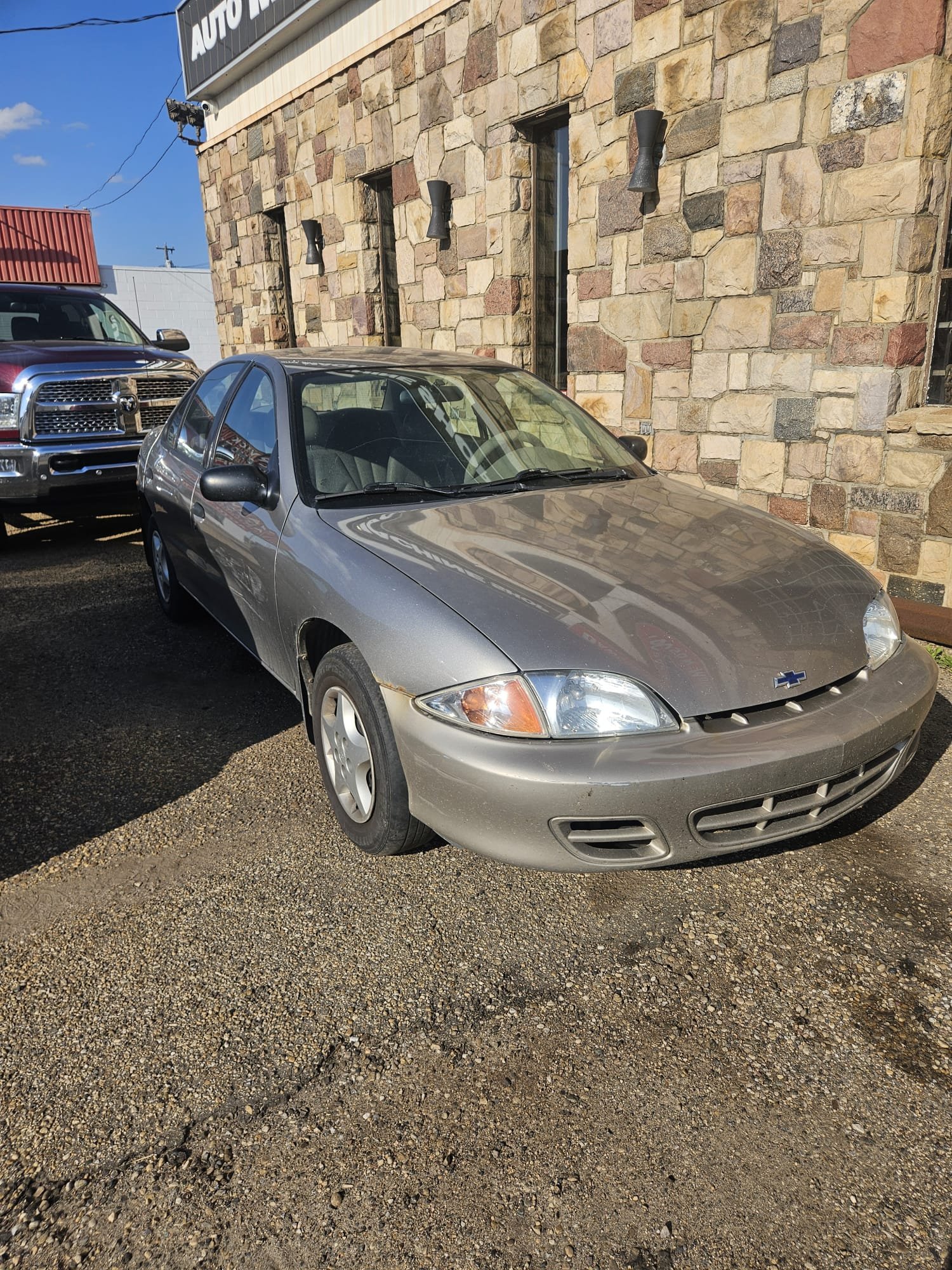
Leaving a car parked for a few days usually is not a big deal. Leave it sitting for six months, however, and the story can change.
An unused vehicle does not simply pause while it is parked. The battery can lose its charge, tires can develop problems, fluids can deteriorate, brakes can develop surface corrosion, and moisture can create issues inside the cabin. Calgary’s cold winters and changing temperatures can make some of these problems more noticeable.
This is especially important if the vehicle is already older.
Maybe you stopped driving it because you bought another car. Perhaps you were working from home, moved temporarily, went away for an extended period, or simply could not afford the repairs it needed. Whatever the reason, six months of inactivity can leave you with an important question:
Is the car still worth putting back on the road, or has leaving it unused made selling it the more practical option?
Let’s look at what can happen and what you should check before spending money on repairs.
The Battery Is Usually the First Problem
A vehicle’s battery slowly loses charge even when the car is not being driven.
Modern vehicles continue to use small amounts of electricity while parked. Security systems, computers, clocks, sensors, and other electronics may remain active.
After several weeks or months, the battery can become completely discharged.
If the vehicle has been sitting for six months, do not be surprised if it does not start immediately.
There is another problem, too.
A battery that has remained completely discharged for a long time may suffer permanent damage. Simply charging it does not guarantee that it will return to reliable working condition.
Before buying a new battery, have the existing one tested.
If the battery is still healthy, a proper recharge may solve the problem. If it has deteriorated internally, replacement may be necessary.
Calgary’s Cold Weather Can Make the Battery Problem Worse
Six months of inactivity can include some of Calgary’s coldest weather.
Cold temperatures make starting an engine harder and reduce a battery’s ability to deliver power.
A battery that might barely start the vehicle during warmer weather could completely fail after sitting outside through a cold spell.
This is why an older vehicle that has been parked outdoors for months may require more than a simple jump-start.
If the battery repeatedly dies after being charged, investigate the charging system and electrical system before assuming you simply need another battery.
Your Tires May Have Lost Pressure
Tires naturally lose air over time.
When a vehicle sits unused for months, you may return to find one or more tires noticeably low.
Temperature changes can also affect tire pressure.
An underinflated tire that remains in the same position for a long time can develop problems, particularly if it was already worn or damaged.
Before driving the vehicle after six months, inspect all four tires and the spare if your vehicle has one.
Look for:
- Low tire pressure
- Cracks in the sidewalls
- Bulges
- Uneven wear
- Flat spots
- Visible damage
Do not assume that adding air automatically makes an old tire safe.
If the rubber is cracked or severely deteriorated, replacement may be the better option.
Brakes Can Develop Surface Rust
Brake components are exposed to moisture and air.
When a vehicle is driven regularly, braking naturally removes some surface rust from the brake rotors.
A car that sits for months does not get that benefit.
As a result, the brake rotors may develop a layer of surface corrosion.
You might hear scraping or grinding when the vehicle is first moved.
Some light surface rust may disappear after normal braking.
However, severe corrosion, sticking calipers, or damaged brake components should not be ignored.
If the vehicle has been sitting for six months, inspect the brakes before assuming it is ready for normal road use.
Engine Oil Does Not Become Fresh Again Just Because the Car Wasn’t Driven
Some owners think that a vehicle sitting unused means its fluids have remained perfectly preserved.
That is not necessarily true.
Engine oil can age over time, and moisture can accumulate inside an engine under certain conditions.
If the vehicle was already overdue for an oil change before it was parked, six months of inactivity is not a reason to postpone maintenance indefinitely.
Check the oil level and condition before restarting the engine.
If the vehicle has been sitting for an extended period, particularly if it was parked because of an existing mechanical problem, having it inspected before driving can prevent additional damage.
Fuel Can Also Become a Concern
Fuel does not remain in exactly the same condition forever.
A vehicle sitting for six months may have fuel that has degraded, particularly if the tank was nearly empty or the vehicle was exposed to significant temperature changes.
Modern gasoline can also be affected by moisture and oxidation over time.
This does not mean six-month-old fuel automatically makes a vehicle undriveable.
But if the car was already having fuel-system problems before it was parked, the extended inactivity may make diagnosis more important.
If you smell unusual fuel odors, see leaks, or notice starting problems, do not keep trying to start the vehicle without investigating the cause.
The Cooling System Still Matters
Coolant protects the engine against freezing and helps regulate temperature.
Before putting an unused vehicle back into service, check the coolant level and look for visible leaks.
A low coolant level can indicate a leak somewhere in the cooling system.
Do not open a hot cooling system.
If the vehicle has been sitting for months and you notice coolant underneath it, have the problem inspected before driving.
A small cooling-system problem can become a major engine problem if ignored.
Rubber Components Can Deteriorate
Older vehicles contain many rubber components.
These include:
- Belts
- Hoses
- Seals
- Bushings
- Wiper blades
- Weatherstripping
- Tire rubber
Age and environmental exposure can cause rubber to harden, crack, or lose flexibility.
A six-month period of inactivity does not necessarily destroy these components, but it can make existing age-related deterioration easier to notice.
If your vehicle was already 10, 15, or 20 years old when you stopped driving it, inspect these parts carefully before returning it to daily use.
Moisture Can Create Interior Problems
An unused vehicle can develop moisture inside the cabin.
This can happen because of snow, rain, condensation, wet floor mats, leaking seals, or poor ventilation.
After six months, you may notice:
- Musty odors
- Damp carpets
- Fogging windows
- Mold or mildew
- Stained upholstery
- Corrosion around electrical components
Do not ignore a persistent musty smell.
It may indicate more than an old interior.
Check the carpets, trunk, door seals, windshield area, and spare-tire compartment for moisture.
Rodents and Pests Can Cause Surprising Damage
A vehicle that sits undisturbed for months can become an attractive shelter for rodents and other small animals.
They may build nests in the engine bay or other protected areas.
Wiring can be chewed.
Insulation can be damaged.
Debris can collect around air intake areas.
Before starting a long-unused vehicle, inspect underneath the hood and around accessible areas for signs of nesting or animal activity.
If you find damaged wiring, do not assume the vehicle will be safe to drive until it has been properly inspected.
What Happens to the Car’s Value?
Six months of inactivity does not automatically destroy a vehicle’s value.
However, the condition of the vehicle after sitting matters.
A well-maintained car that was parked properly may still retain substantial value.
An older vehicle that already had mechanical issues before being parked may become a different financial proposition.
For example, imagine your car was worth around $5,000 before being parked.
After six months, it may need:
- A battery
- Four tires
- Brake work
- An oil change
- Mechanical inspection
- Electrical repairs
Suddenly, getting the vehicle road-ready could cost a significant amount.
This is where you need to look beyond the original value.
Should You Repair the Car or Sell It?
Start by getting an honest picture of its current condition.
Do not spend money on cosmetic improvements before finding out whether the vehicle has major mechanical problems.
Make a list of everything it needs.
Then estimate the total repair cost.
For example:
Battery: $200
Tires: $800
Brakes: $700
Maintenance: $300
Electrical repairs: $500
That is already $2,500.
If the vehicle is worth only $3,500 after being repaired, putting $2,500 into it may not be the most attractive financial decision.
On the other hand, if the vehicle is worth $12,000 and needs only a battery and maintenance, repairing it may make considerably more sense.
The important thing is to evaluate the entire vehicle rather than one repair at a time.
When Selling the Car As-Is May Make Sense
Some owners discover that their unused vehicle has become a financial burden.
It may be taking up parking space, accumulating maintenance needs, and losing value while sitting.
If you do not plan to drive it again, keeping it parked indefinitely does not necessarily improve the situation.
For Calgary owners researching cash for cars Calgary options, selling an older unused vehicle as-is can be an alternative to spending money getting it completely road-ready.
This can be especially relevant when the vehicle has multiple mechanical issues or does not start.
Before accepting an offer, compare it with the realistic cost of repairing, insuring, maintaining, and selling the vehicle privately.
What to Do Before Getting an Offer
If you decide to sell, gather your vehicle documents and basic information.
Be ready to provide:
- Year
- Make and model
- Mileage
- Vehicle condition
- Whether it starts
- Known mechanical problems
- Accident history
- Tire condition
- Rust or body damage
- Number of keys
If the vehicle has been sitting for six months, tell the buyer.
If it does not start, say so.
Accurate information can make the valuation process easier and reduce surprises later.
A Six-Month Parking Checklist
Before driving the vehicle again, work through this simple checklist:
Battery: Test or replace it if necessary.
Tires: Check pressure, cracks, tread, and visible damage.
Brakes: Inspect for excessive corrosion or sticking components.
Fluids: Check engine oil, coolant, brake fluid, and other relevant fluids.
Leaks: Look underneath the vehicle for oil, coolant, fuel, or other fluid leaks.
Belts and hoses: Look for cracking or deterioration.
Interior: Check for moisture, mold, or unusual odors.
Engine bay: Look for rodent nests or damaged wiring.
Fuel: Consider the condition of the fuel and inspect for leaks.
Lights: Test headlights, brake lights, signals, and other electrical equipment.
If you are unsure about the vehicle’s condition, a professional inspection can be much cheaper than discovering a major problem after driving it.
Final Thoughts
A car does not stop aging simply because it stops moving.
Six months of inactivity can leave an older vehicle with a weak battery, low tire pressure, rusty brakes, moisture problems, deteriorated rubber components, stale fuel, or even unexpected rodent damage.
Calgary’s weather can make some of these issues more noticeable, particularly when a vehicle spends months outdoors.
But sitting for six months does not automatically mean your car is no longer valuable.
The right decision depends on what condition it is in now and what it will cost to make it reliable again.
If the repairs are relatively minor, putting the vehicle back on the road may be worthwhile.
If it already had major problems before it was parked and now needs several additional repairs, selling it as-is may be worth considering.
Before spending money, calculate the complete cost of bringing the vehicle back into service. Compare that figure with its realistic current value and what you could receive from a buyer.
Sometimes the best way to deal with an unused vehicle is to repair it and start driving again. Other times, letting go of a car that has been sitting for months can save you from another round of repair bills, insurance costs, and depreciation.





Post Comment